


More Than Just Decoration
Before we introduce the stars of the show, it's worth remembering why we invite plants into our homes in the first place. Beyond their simple beauty, studies have shown that indoor plants can boost your mood, reduce stress levels, and even improve focus.
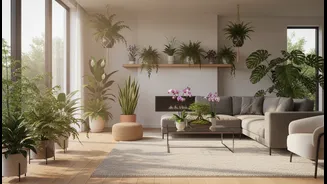
They create a calming atmosphere and offer a tangible connection to the natural world, which is especially welcome in our increasingly digital lives. Tending to a plant, even a low-maintenance one, can be a mindful, therapeutic ritual. And while you'd need a veritable jungle to significantly purify your home's air, every little bit of green helps create a healthier, happier space.
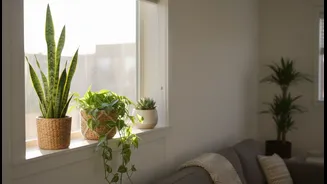
1. The Snake Plant (Sansevieria trifasciata)
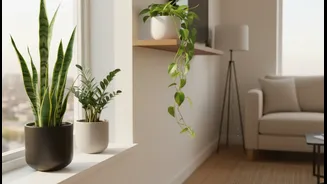
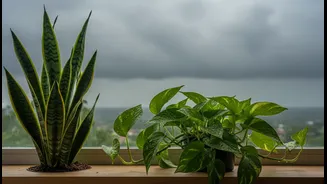
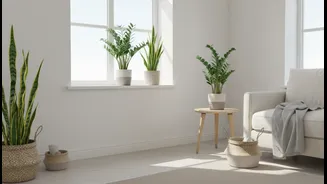
Often called “mother-in-law’s tongue” for its sharp, pointed leaves, this plant is the definition of tough. The Snake Plant is a succulent, meaning it stores water in its leaves and is extremely drought-tolerant. In fact, the most common mistake is overwatering it. Let the soil dry out completely between waterings—think every two to three weeks, and even less in winter. It’s also famously adaptable to almost any light condition, from a bright spot with indirect sun to a dim corner of a room, making it incredibly versatile. Its upright, architectural look fits perfectly with modern decor.
2. The ZZ Plant (Zamioculcas zamiifolia)
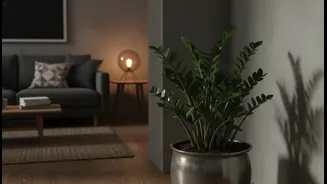
If you are a forgetful waterer, the ZZ Plant is your new best friend. This plant has large, water-storing rhizomes under the soil, allowing it to survive for months without a drink. Like the snake plant, it’s best to let the soil dry completely before watering again. Its wide, waxy, dark green leaves look perpetually polished and can make a stylish statement. The ZZ Plant is perfectly happy in low-light conditions, making it an excellent choice for offices or rooms with less-than-ideal sun exposure. It’s so low-maintenance, its primary needs are to be left alone and occasionally dusted.
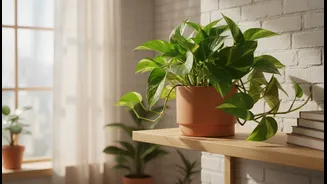
3. The Pothos (Epipremnum aureum)
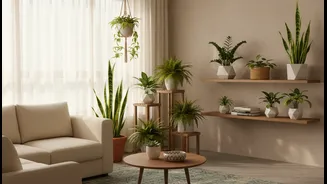
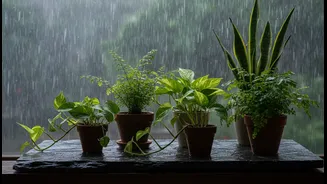
Known affectionately as Devil's Ivy, the Pothos is a fast-growing, trailing vine that is practically indestructible. It's an excellent communicator; its leaves will visibly start to droop when it's thirsty, bouncing back quickly after a good drink. This takes the guesswork out of watering. Pothos thrives in a wide range of light conditions, from low to bright indirect light, though highly variegated types will show more color in brighter spots. It’s a versatile plant that looks great in a hanging basket, on a high shelf where its vines can cascade down, or trained to climb up a support.
4. The Spider Plant (Chlorophytum comosum)
The Spider Plant is a classic for a reason. It is incredibly adaptable and forgiving. It prefers bright, indirect light but can tolerate lower light levels. A good rule of thumb is to water it when the top inch or two of soil feels dry. One of its most charming features is its ability to produce “spiderettes,” or baby plants, on long arching stems. These can be easily snipped off and propagated in water or soil to create new plants, making it the gift that keeps on giving. They are also non-toxic, making them a safe choice for homes with curious pets or children.
A Few Golden Rules for Success
Even the toughest plants have their limits. The number one rule for all the plants on this list is to avoid overwatering. More hardy houseplants are killed by too much love (and water) than by neglect. Always check if the top few inches of soil are dry before reaching for the watering can. Ensure your pot has drainage holes so excess water can escape; no plant likes to have its roots sitting in a puddle, which can lead to root rot. Finally, don't be afraid to start small. Choose one or two plants and get to know their needs. Building your confidence is the first step to creating your indoor oasis.