



The Hidden Damage from Water and Soap
Showering in your jewellery seems harmless, but for artificial and gold-plated items, it's a fast track to damage. The problem isn't just water; it's the combination of moisture, heat, and chemicals from soaps, shampoos, and conditioners. Gold plating
is a very thin layer of gold over a base metal like brass or copper. Moisture and chemicals can wear down this delicate layer, causing it to fade, chip, or peel away, exposing the different-coloured metal underneath. The hot, humid environment of a shower speeds up this process of oxidation, which is the chemical reaction that causes tarnish and discoloration.
Why Artificial Jewellery Suffers Most
While gold-plated pieces are vulnerable, standard artificial or costume jewellery often fares even worse. These items are typically made from metal alloys like brass, copper, or zinc, which react quickly with moisture and air. This reaction is what causes the jewellery to tarnish, rust, or leave that dreaded green or black mark on your skin. That green stain is a direct result of the copper in the alloy reacting with the salts in your sweat and the chemicals in your lotions or soaps. Furthermore, many artificial pieces use glue to secure stones and other embellishments. Hot water and soap can weaken or dissolve this adhesive, causing stones to become cloudy or fall out entirely.
Make 'Jewellery Off First' a Habit
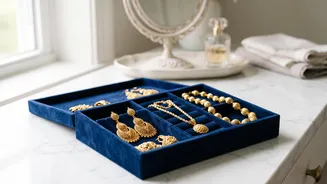
The single most effective habit is to remove all your artificial and gold-plated jewellery before you step into the shower, bath, or swimming pool. Designate a specific, dry spot for them, like a small dish or a lined jewellery box in your bedroom, far from the bathroom's humidity. This simple step prevents direct contact with the water and steam that accelerate damage. It's also wise to get into the routine of putting your jewellery on last when getting ready. Apply any lotions, perfumes, hairsprays, and sunscreens first and let them dry completely before accessorising. These products contain chemicals and alcohols that can be just as corrosive as soap and water.
A Simple Cleaning Routine
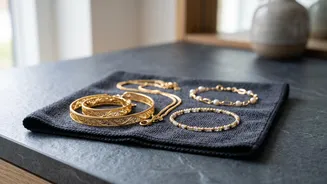
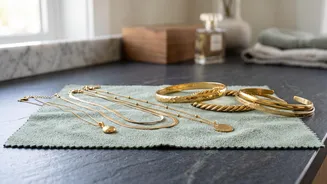
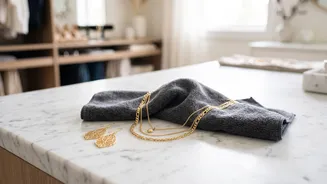
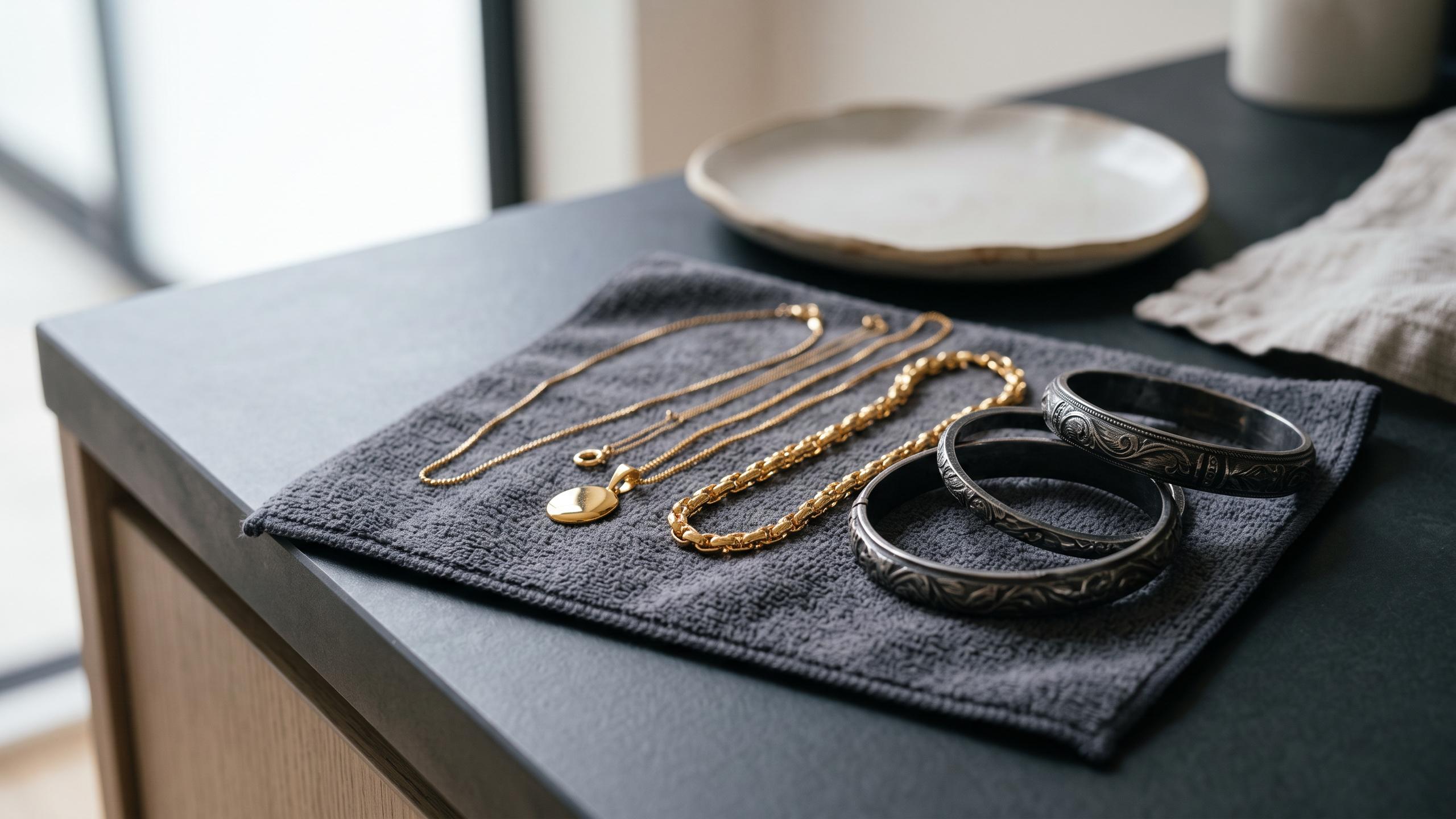
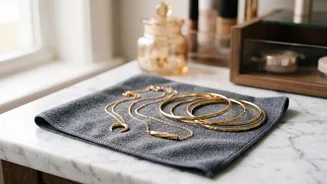
Proper cleaning can dramatically extend the life of your pieces. After each wear, gently wipe your jewellery with a soft, dry microfibre cloth. This removes skin oils, sweat, and residue that can cause tarnishing over time. For a deeper clean when a piece looks visibly dirty, you can use a cloth that is barely damp with a solution of lukewarm water and a few drops of mild soap. Gently wipe the surface, paying attention to crevices, but never soak the jewellery. Immediately pat it completely dry with another soft cloth, ensuring no moisture is left behind. Avoid harsh chemicals, toothpaste, or abrasive cleaners, as these will strip the plating.
Smart Storage Is Essential
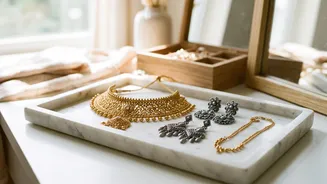
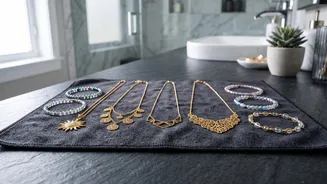
How you store your jewellery is just as important as how you clean it. Humidity and air exposure are the main culprits behind tarnishing when pieces are not being worn. Storing each item separately in an airtight container, a small zip-lock bag, or a soft pouch will protect it from moisture and prevent scratching. Keeping pieces in a lined jewellery box with separate compartments is also an excellent solution. Storing your collection in a cool, dry place like a drawer is much better than leaving it on a bathroom counter, where humidity is always high.