





More Than Just One-Off Disasters
When scientists talk about 'episodic events,' they’re referring to powerful, short-lived occurrences that can dramatically alter environmental systems. Unlike the slow, steady creep of climate change from human emissions, these events are like sudden
shocks to the planetary system. Recent scientific studies are increasingly able to pinpoint the distinct climatic 'fingerprints' of major events, separating their impact from other background noise. By understanding these episodes, from the 2022 Hunga Tonga eruption to the record-breaking Canadian wildfires in 2023, we get a clearer picture of the complex forces shaping our world. These are not just random acts of nature; they are critical data points in the story of recent global change.
Volcanoes: A Cooling Breath and a Warming Surprise
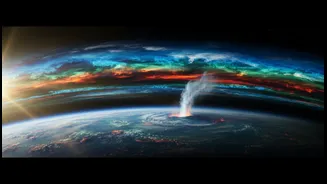
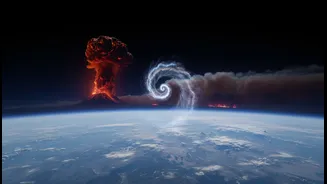
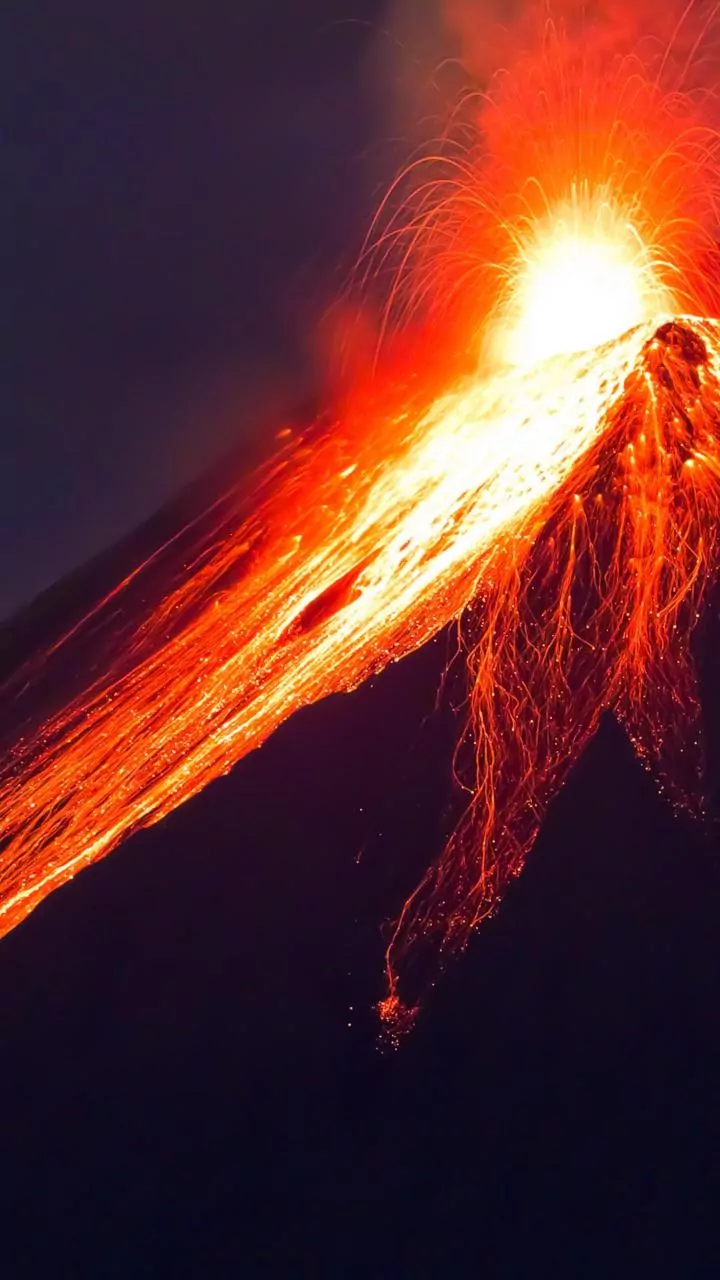
Historically, large volcanic eruptions have been associated with global cooling. When a volcano like Mount Pinatubo in 1991 erupts, it blasts huge amounts of sulfur dioxide into the stratosphere. There, the gas converts into sulfate aerosols that act like a temporary, planet-sized sunshade, reflecting solar radiation back into space and cooling the lower atmosphere for years. However, not all volcanoes are the same. The 2022 eruption of the underwater Hunga Tonga-Hunga Ha'apai volcano was unique. It shot a relatively small amount of cooling sulfur dioxide into the air but injected an unprecedented amount of water vapour—a greenhouse gas—into the stratosphere. This massive injection of water is expected to have a slight, temporary warming effect and will likely remain in the stratosphere for several years, potentially affecting atmospheric circulation and chemistry in ways scientists are still working to understand.
Wildfires: A Vicious Cycle of Carbon
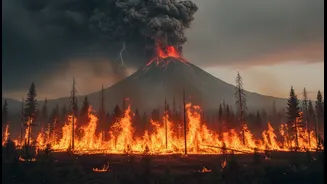
Massive wildfires, which are becoming more frequent and intense due to climate change, act as another powerful episodic event. Forests and peatlands are enormous carbon sinks, but when they burn, they release that stored carbon back into the atmosphere as CO2, contributing to further warming. The 2023 Canadian wildfire season, the most intense on record, burned over 18 million hectares and released hundreds of megatonnes of carbon. This creates a dangerous feedback loop: a warmer climate leads to more extreme fires, and more extreme fires release more carbon, further accelerating climate change. While forests can regrow and reabsorb carbon, the increasing frequency of fires may prevent ecosystems from fully recovering, upsetting this natural balance.
A Global Impact on Air and Weather
The impact of these events is not confined to their local vicinity. Smoke plumes from huge wildfires can travel thousands of kilometres, affecting air quality across continents. Smoke from Canada’s 2023 fires blanketed cities in the United States and even reached Europe, causing record-breaking air pollution and health alerts far from the flames. These smoke plumes are more than just an ugly haze; they contain a cocktail of pollutants, including fine particulate matter and compounds that can generate ground-level ozone, a harmful pollutant. The aerosols from both wildfires and volcanoes can also interfere with weather patterns, influencing cloud formation and circulation in complex and sometimes unpredictable ways, demonstrating that an event on one side of the planet can truly have global consequences.