




The Mighty Mineral Your Body Needs
Magnesium is a true powerhouse, involved in over 300 biochemical reactions in your body. It helps convert food into energy, regulates blood sugar and blood pressure, and supports muscle and nerve function. It’s also crucial for building strong bones,
as it aids in calcium absorption and helps create new bone cells. While true deficiency is uncommon in healthy people, many don't get the recommended daily amount, which for most adults is between 310 and 420 milligrams. Early signs of falling short can be vague, including fatigue, low appetite, and weakness. Over time, consistently low levels can increase the risk for more serious issues like high blood pressure, type 2 diabetes, and osteoporosis.
Start with Dal, a Household Staple
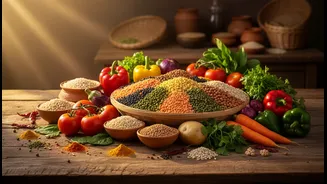
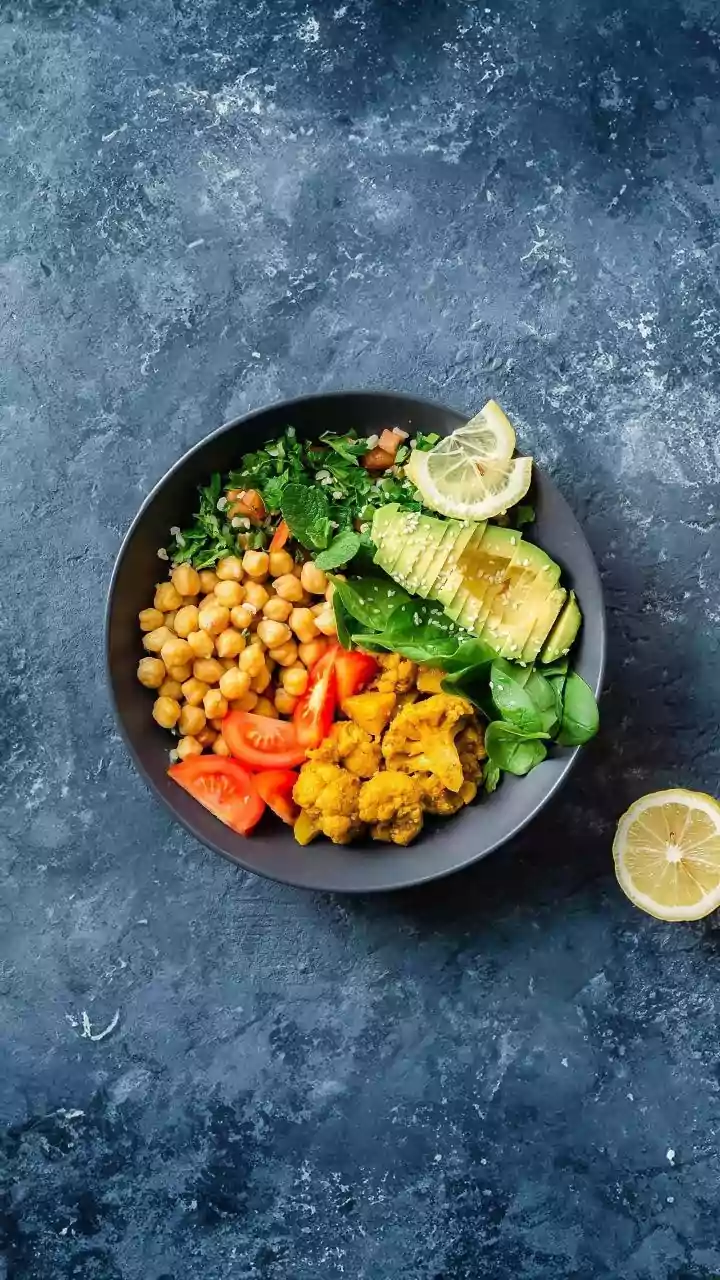
For many Indian households, dal is a daily comfort. It's also an excellent and inexpensive source of magnesium. Lentils and legumes like moong dal, masoor dal, chana (chickpeas), and rajma (kidney beans) are packed with this vital mineral. A single cup of cooked black beans or chickpeas can provide a significant portion of your daily needs. Simply including a bowl of dal with your lunch or dinner is one of the easiest ways to boost your magnesium intake without any drastic dietary changes. Soaking dals for a few hours before cooking can also improve mineral availability.
A Handful of Seeds for a Big Boost
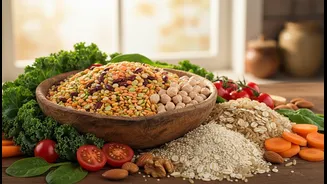
Don't underestimate the power of seeds. They are nutritional giants, and when it comes to magnesium, pumpkin seeds are superstars, with a 30-gram serving offering a massive 150 mg. Chia seeds and flaxseeds are also excellent sources, providing over 100 mg and 40 mg per serving, respectively. Incorporating them is simple: sprinkle a tablespoon over your morning curd, blend them into a smoothie, add them to your oatmeal, or simply munch on a handful of roasted pumpkin seeds as an afternoon snack. A small daily habit like this can make a huge difference to your overall magnesium levels.
Go Green for More Magnesium
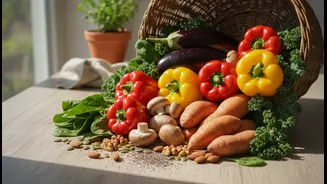
Your mother was right: you need to eat your greens. Dark leafy vegetables are some of the healthiest foods you can eat, and they are great sources of magnesium. Cooked palak (spinach) is particularly rich, with just half a cup providing around 78 mg of magnesium. Other wonderful, widely available options include methi (fenugreek leaves), sarson (mustard greens), and amaranth leaves (chaulai). Whether you're making palak paneer, a simple saag, or stirring greens into your dal, you’re also giving your body a healthy dose of this essential mineral. Lightly steaming them instead of overcooking helps preserve their nutrient content.
Embrace Wholesome Grains
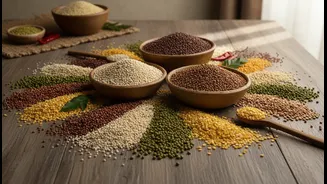
Making the switch from refined grains to whole grains is a powerful move for your overall health, including your magnesium intake. Millets like bajra (pearl millet), jowar (sorghum), and ragi (finger millet) have been staples in various parts of India for centuries and are much richer in magnesium than polished white rice or refined flour (maida). For example, bajra and ragi contain around 137 mg of magnesium per 100 grams. Even simple swaps like choosing whole wheat atta for your rotis or opting for brown rice instead of white can significantly contribute to your daily mineral goals.