

Essential Apparel: Dress for the Downpour
The golden rule for monsoon trekking is to avoid cotton. It absorbs moisture, gets heavy, and takes forever to dry, increasing your risk of getting cold. Instead, build a layering system with synthetic, quick-drying fabrics. Start with a polyester or nylon
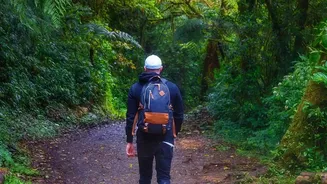
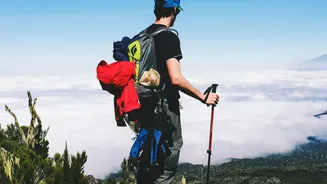
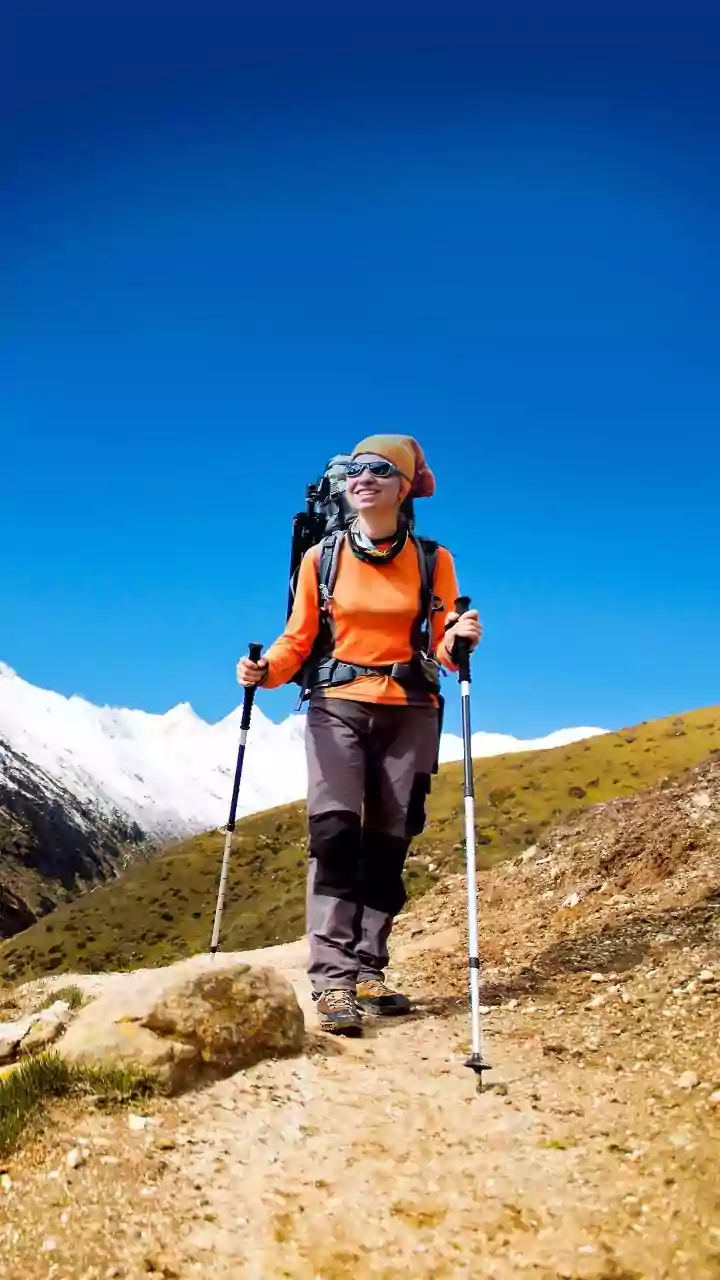
t-shirt and wear full-length, quick-dry trekking trousers. These offer protection not just from the rain but also from scratches and insect bites. A high-quality waterproof and breathable rain jacket or a full-length poncho is non-negotiable. A poncho has the added benefit of covering you and your backpack. Always pack an extra set of dry clothes, sealed in a waterproof dry bag, to change into at your campsite. A lightweight fleece jacket is also a wise addition for chilly evenings.
Footwear: Your Most Crucial Investment
The volcanic basalt rock of the Sahyadris becomes incredibly slick and mossy when wet, making proper footwear your most important piece of safety gear. Your regular sports shoes won't cut it. Invest in trekking shoes with high ankle support and deep-grooved rubber soles for maximum grip on slippery terrain. While 'waterproof' boots sound ideal, many trekkers find that in the continuous Indian monsoon, water eventually gets in from the top. A better option can be water-resistant, quick-drying shoes that don't trap water inside. Pair your shoes with synthetic or wool-blend socks, not cotton, to prevent blisters. It is also wise to carry a pair of lightweight sandals to wear at the campsite, allowing your feet and shoes to dry.
The Right Backpack and Rainproofing
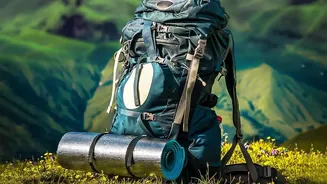
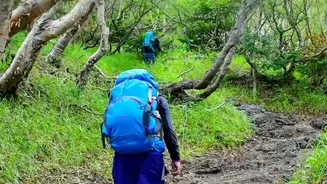
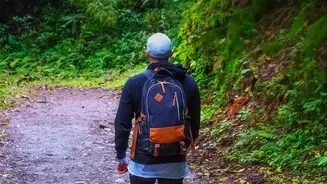
For a day hike, a 20-30 litre backpack is usually sufficient. Most backpacks are water-resistant, not fully waterproof. To protect your gear from a sustained downpour, a dual-layer approach is essential. Use a dedicated rain cover for the outside of your pack. For the inside, use dry bags or several layers of plastic bags to compartmentalize and protect your most critical items like electronics, a first-aid kit, and your spare set of dry clothes. This ensures that even if you take a tumble into a stream, your essentials remain usable.
Safety and Navigation Gear
Mist and heavy rain can reduce visibility and make trails confusing. Never rely solely on your phone's battery. Carry a fully charged power bank, a whistle to signal for help, and a headlamp or torch, even on a day trek, in case of delays. A basic first-aid kit is a must. It should contain antiseptic wipes, bandages, pain relief medication, and blister tape. For the monsoon, add ORS packets for dehydration and supplies to deal with leeches. Leeches are common and best prevented by wearing full-length trousers tucked into your socks or specialized anti-leech socks.
Eco-Friendly Trail Rules: Leave No Trace
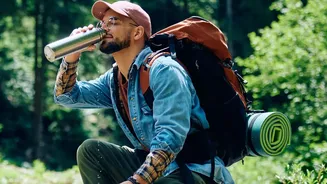
The beauty of the Ghats depends on every trekker's commitment to preserving it. The core principle is to leave no trace of your visit. This means you must pack out everything you pack in, including food wrappers, fruit peels, and any other litter. Carry a separate bag for your trash. Stick to the marked trails to prevent erosion of the fragile, rain-soaked soil. Avoid using disposable plastic bottles; carry a reusable water bottle instead. If you plan to refill from streams, use a water filter or purification tablets. Do not disturb wildlife, and keep noise levels to a minimum to respect the natural environment and fellow trekkers.