





The Science of Clay
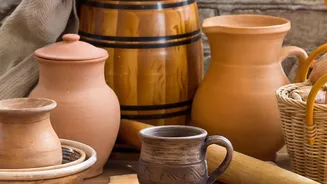
Unglazed earthenware, or natural clay, possesses two key characteristics that influence cooking: it is porous and naturally alkaline. Unlike metal or glass, clay’s porous surface allows for the slow circulation of heat and moisture. But its most interesting
property is its alkalinity. The clay itself has a pH level that is on the alkaline side of the scale. This chemical nature is the foundation for its ability to interact with the ingredients it cooks.
Balancing Acidity in Curries
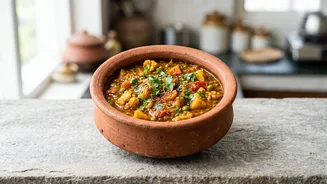
Many Indian curries are built on a base of acidic ingredients, most notably tomatoes, but also tamarind, citrus, and yogurt. When these acidic foods are cooked in a metal pot, their sharp, tangy notes remain prominent. However, when they simmer inside an alkaline clay vessel, a gentle chemical reaction occurs. The alkaline properties of the clay interact with and neutralize some of the food's acidity. This doesn't completely change the dish, but it effectively 'softens' the sharp edges of the acid, resulting in a more balanced pH. This is why a tomato-based curry might taste naturally sweeter and less harsh when prepared in a clay pot.
A Smoother, Deeper Flavour Profile
The result of this pH balancing act is a noticeable difference in taste and texture. By mellowing the dominant acidity, other, more subtle flavours from spices and aromatics are allowed to come forward. The slow, even heat distribution in clay pots also prevents ingredients from scorching, allowing them to release their flavours gradually. This combination of gentle heat and balanced acidity creates a smoother, more rounded, and complex flavour profile that many find more satisfying than dishes cooked quickly in metal pans. The porous nature of the pot also helps retain moisture, ensuring dishes like fish curry remain tender and intact.
Potential Health and Nutritional Benefits
The benefits extend beyond taste. For individuals who experience acid reflux or digestive discomfort from acidic foods, clay pot cooking can make these dishes gentler on the stomach. Furthermore, the unique cooking process offers other advantages. The excellent moisture retention means food can be cooked with significantly less oil, reducing the overall fat content. Clay pots are also free from the chemical coatings found on some non-stick pans. Additionally, clay is a source of minerals like calcium, iron, magnesium, and phosphorus, and trace amounts of these can leach into the food during the cooking process, providing a small nutritional boost.
Choosing and Using a Clay Pot
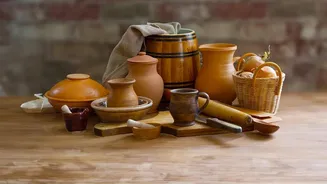
To reap these benefits, it’s important to choose the right kind of vessel. Opt for unglazed, pure clay pots, as some glazed versions can contain lead or other harmful chemicals. Reputable sourcing is key to avoid contaminants. Before its first use, a new clay pot needs to be seasoned, which typically involves soaking it in water and then sometimes coating it with oil. This process strengthens the pot and prepares its surface for cooking. While they require more gentle handling than their metal counterparts, the unique flavour and health benefits they bring to the kitchen make them a worthy addition for any home cook looking to reconnect with traditional cooking methods.