






From Party to Pause
For decades, the honeymoon was synonymous with indulgence—often of the sleep-all-day, party-all-night variety. It was seen as the final, celebratory blowout after the formalities of the wedding. But for a growing number of modern couples, the goal has
shifted from pure hedonism to holistic healing. The new honeymoon isn't about escaping reality with a week of excess; it's about recovering from the marathon of stress that modern weddings have become and intentionally starting a new life chapter on a foundation of well-being.
The Post-Wedding Burnout Is Real
Planning a wedding, especially a multi-day Indian wedding, is a notoriously stressful affair. It’s a project management feat involving months, sometimes years, of coordinating vendors, managing family expectations, and making endless decisions. By the time the final guest has departed, many couples are physically, mentally, and emotionally drained. The idea of a high-energy, party-filled trip can feel less like a reward and more like another exhausting obligation. A wellness honeymoon, therefore, acts as a necessary antidote. It offers a structured space to decompress, disconnect from the logistical chaos, and reconnect with each other away from the noise. It’s a transition from the 'we' of the wedding to the 'us' of the marriage.
Connecting Through Shared Experiences
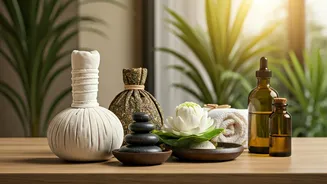
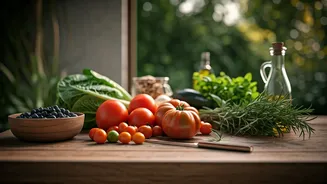
While rest is a major component, these honeymoons are far from passive. The 'wellness' aspect often translates into shared activities that foster connection. A couple’s cooking class, for instance, is more than just learning a new recipe; it's about communication, collaboration, and creating something together. A guided trek through the hills isn't just exercise; it's about navigating a path as a team. From couples’ yoga sessions to Ayurvedic spa treatments designed for two, these experiences are built around mutual participation. Unlike a typical vacation where partners might pursue separate interests (one reads by the pool while the other goes scuba diving), wellness activities are inherently designed to be shared, creating a bank of foundational memories built on teamwork and mutual care.
What a Wellness Honeymoon Looks Like
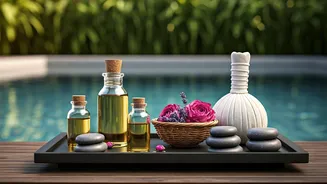
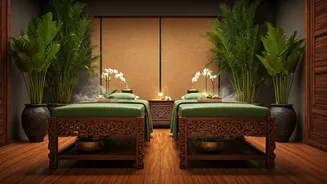
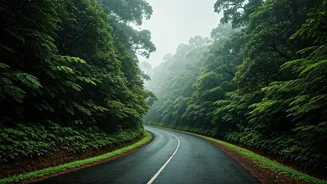
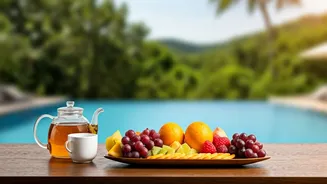
The options are as diverse as the couples themselves. In India, this trend finds a natural home. Think of a serene retreat in the backwaters of Kerala, with daily Ayurvedic massages and fresh, sattvic meals. Picture a digital detox in the Himalayas, where days are spent meditating, practising yoga, and taking in mountain vistas. For foodies, a farm-to-table experience in Coorg or a gourmet cooking school in Goa offers a chance to bond over culinary creation. Internationally, destinations like Bali and Thailand have long been hubs for wellness, offering everything from intensive surf-and-yoga camps to luxurious spa resorts where the focus is on total rejuvenation. The common thread isn't the location, but the intention: to slow down, nourish the body and mind, and connect on a deeper level.
A Sign of a Larger Shift
This move towards restorative honeymoons isn't happening in a vacuum. It reflects a broader cultural shift where wellness is no longer seen as a luxury but a necessity. The same generation that tracks its sleep, uses meditation apps, and prioritises mental health is now applying that same philosophy to its major life milestones. The honeymoon is being reframed from a simple vacation into the first, most important act of self-care (and couple-care) in a new marriage. It's a statement that a healthy partnership begins with healthy individuals.