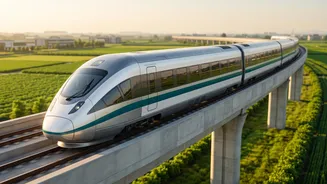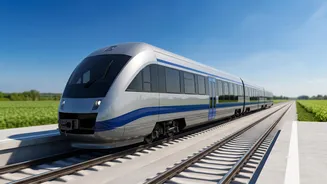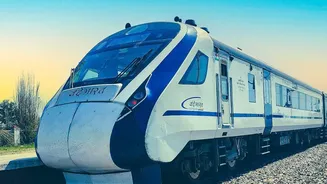




What Exactly is a Hydrogen Train?
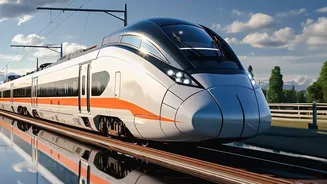
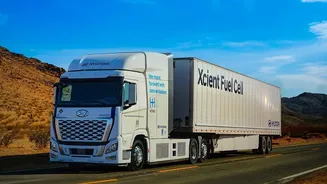
Think of a hydrogen train as a self-contained power plant on wheels. Instead of drawing electricity from overhead wires or burning diesel, it uses hydrogen fuel cells to generate its own power. Inside these cells, a chemical reaction between stored hydrogen and
oxygen from the air produces electricity. This electricity then powers the motors that move the train. The most remarkable part? The only byproduct of this entire process is water vapour, making it a completely zero-emission mode of transport at the point of use. This means no smoke, no soot, and no greenhouse gases polluting the air along the tracks, offering a significantly quieter and cleaner ride compared to traditional diesel trains.
Why Heritage Routes Are the Perfect Starting Point
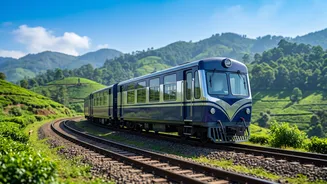
The decision to debut this technology on heritage routes is a strategic one, born from a vision called “Hydrogen for Heritage”. These routes, which include famous narrow-gauge lines like the Kalka-Shimla, Darjeeling Himalayan, and Nilgiri Mountain Railways, often run through ecologically fragile and breathtakingly beautiful landscapes. Introducing zero-emission trains here helps preserve the pristine environment by eliminating air and noise pollution. Furthermore, many of these hilly terrains are difficult and expensive to electrify with conventional overhead lines, making hydrogen-powered trains an ideal, self-sufficient solution. This initiative allows Indian Railways to modernise these beloved tourist attractions, making them sustainable symbols of India's commitment to its past and its future.
The 'Hydrail' Project in Action
While the heritage routes are the goal, the journey began with a pilot project. India's first hydrogen-powered train was launched in July 2026 on the Jind-Sonipat section in Haryana. This 10-coach train, developed indigenously, serves as a real-world test for the technology's performance, safety, and operational needs. The experience and data gathered from this pilot, including managing the dedicated hydrogen refuelling infrastructure established in Jind, will be crucial for the broader rollout. Indian Railways has an initial target of deploying 35 hydrogen trains across its heritage circuits, a key part of its ambitious plan to become a net-zero carbon emitter by 2030. This places India among a select group of nations like Germany and China actively developing hydrogen rail technology.
Challenges and the Road Ahead
Despite the promise, the path to a fully hydrogen-powered heritage fleet has its challenges. The primary hurdle is the cost. Green hydrogen, which is produced using renewable energy, is currently more expensive than diesel or electricity from the grid. Building the necessary infrastructure for hydrogen production, storage, and refuelling at multiple remote, hilly locations also requires significant investment. Officials are actively looking for ways to bring down the cost of green hydrogen to make the operations more economically viable. The government's National Green Hydrogen Mission is expected to play a major role in boosting production and reducing costs over time. As the technology matures and economies of scale kick in, these groundbreaking trains are set to become a more common sight on India's most scenic journeys.