




Your Gut's Internal Clock
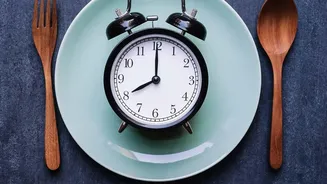
Just like your brain knows when it’s time to sleep, your digestive system follows a daily schedule known as a circadian rhythm. This internal clock regulates everything from the release of digestive enzymes to the movement of food through your intestines.
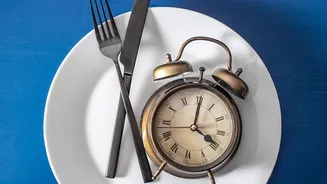
During the day, your gut is primed and ready for action, efficiently breaking down food and absorbing nutrients. As evening approaches, it naturally begins to slow down, shifting from active digestion to a period of rest and repair. Eating late at night forces your gut to work overtime when it expects to be off the clock, a mismatch that can lead to significant consequences.
Meet Your Gut Microbiome
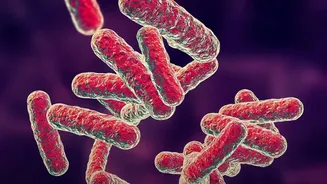
Your gut is home to trillions of microorganisms, collectively known as the gut microbiome. This complex ecosystem of bacteria plays a crucial role in your overall health, aiding in digestion, producing essential vitamins, and supporting your immune system. This microbial community also has its own daily rhythm. The balance and activity of different bacterial species fluctuate throughout the day, largely influenced by your feeding and fasting cycles. A healthy, diverse microbiome is key to a well-functioning body, and keeping its rhythm stable is an important part of that.
How Late Meals Disrupt the System
When you consistently eat late, you disrupt the natural rhythm of your gut and its resident bacteria. Studies suggest this circadian misalignment can alter the composition of your microbiome, potentially decreasing the populations of beneficial bacteria. For instance, research has linked late eating with lower levels of bacteria that produce short-chain fatty acids (SCFAs). These compounds, like butyrate, are vital for maintaining gut health and controlling inflammation. This disruption can create an imbalance, or dysbiosis, which is associated with a range of health issues.
Weakening the Gut's Protective Barrier
Beyond changing the bacterial makeup, late eating also appears to affect the physical structure of your gut. The intestinal lining acts as a critical barrier, controlling what gets absorbed into your bloodstream. Recent studies indicate that eating late is associated with increased intestinal permeability, a condition often called 'leaky gut'. A compromised barrier can allow harmful substances like bacterial toxins to pass from the gut into circulation, triggering a low-grade inflammatory response throughout the body. This chronic inflammation is a known risk factor for metabolic conditions like obesity and type 2 diabetes.
Syncing Your Meals With Your Body Clock
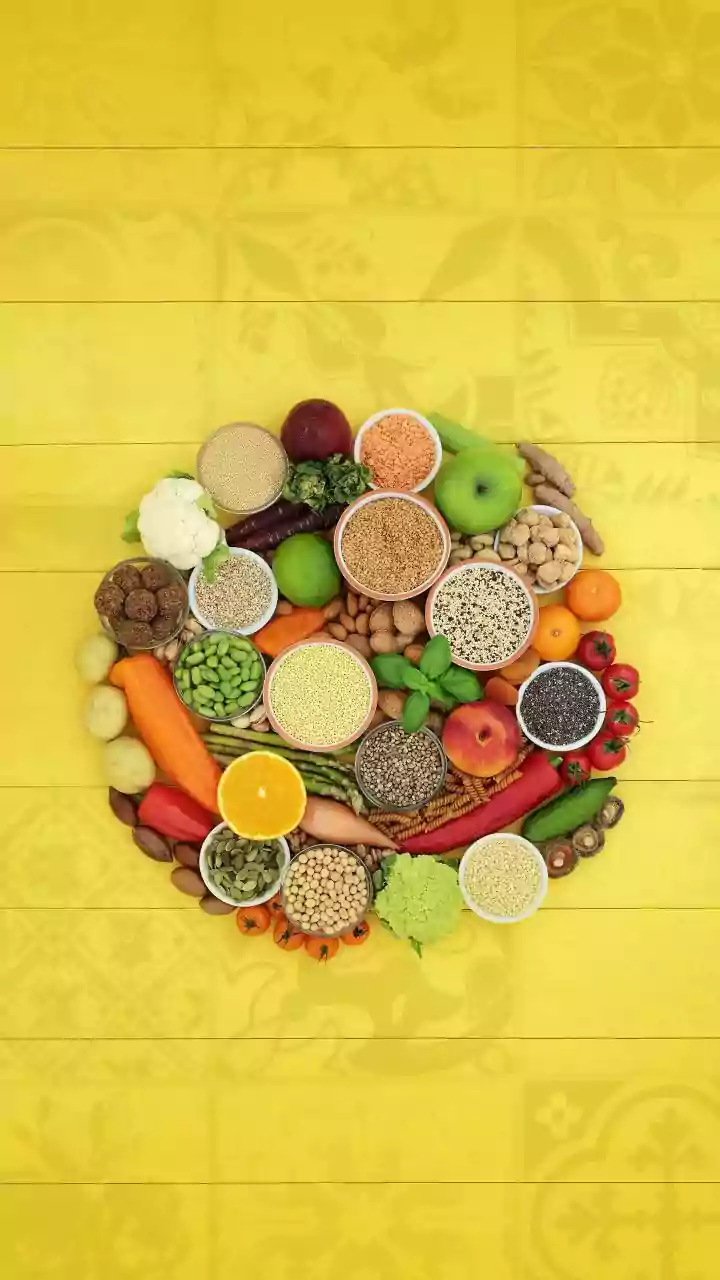
The good news is that you can support your gut health by making simple adjustments to your meal timing. The key is consistency and alignment with your body's natural clock. Try to consume the majority of your calories during daylight hours, when your digestive system is most efficient. Aim to make lunch your largest meal and have a lighter dinner. Establishing a consistent eating window and allowing for an extended fasting period overnight (for example, from 7 p.m. to 7 a.m.) gives your gut the predictable schedule it needs to rest and function optimally. Even small shifts, like moving your last meal an hour earlier, can make a difference.