


More Than Just Green Tea
While matcha comes from the same plant as green tea, Camellia sinensis, their preparations are worlds apart. Green tea involves steeping leaves in water and then discarding them. With matcha, you consume the entire leaf, which has been stone-ground into
a fine powder. The tea plants destined to become matcha are also shade-grown for the final few weeks before harvest. This process boosts their chlorophyll content—giving matcha its brilliant green colour—and significantly increases a special amino acid that is key to its unique effects.
The Science of the 'Calm Buzz'
The phrase “calm energy” perfectly describes matcha’s signature effect, and it all comes down to chemistry. Matcha contains caffeine, but it's paired with high levels of an amino acid called L-theanine. This compound is the star of the show. L-theanine promotes the production of alpha brain waves, the same state your mind enters during meditation, fostering a feeling of relaxed alertness without drowsiness. When L-theanine combines with caffeine, it creates a synergistic effect: you get the focus and alertness from the caffeine, but the L-theanine smooths out the harsh edges, preventing the jitters and anxiety often associated with coffee. The energy is sustained, without the notorious crash.
From Ancient Ritual to Modern Flex
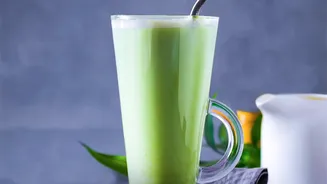
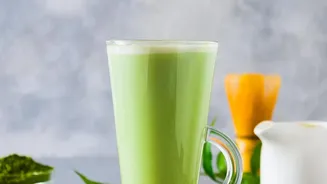
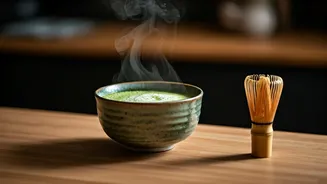
Matcha has a rich history, first brought to Japan from China by a Buddhist monk in the 12th century. It became integral to the Japanese tea ceremony, a meditative practice guided by principles of harmony, respect, purity, and tranquility. Fast forward to today, and that mindful ritual has been transformed into a modern cultural statement. In the urban cafes of Mumbai, Delhi, and Bangalore, ordering a matcha latte is a 'flex'—a signal that you prioritise wellness, appreciate craft, and are part of a global trend. It's a quieter, more deliberate alternative to the high-octane energy of an espresso shot, reflecting a broader cultural shift away from 'hustle culture' towards 'mindful productivity'.
The Coffee Contender
For many, the switch from coffee to matcha is a conscious lifestyle choice. While coffee provides a rapid, powerful jolt of energy, it often comes with a subsequent crash and feelings of nervousness. Matcha offers a gentler, more prolonged energy boost. Devotees report sustained focus and alertness for hours. Furthermore, matcha is packed with antioxidants, particularly a type called catechins, which are linked to various health benefits. In fact, because you consume the whole leaf, matcha delivers a significantly higher concentration of these beneficial compounds than steeped green tea.
A Beginner’s Guide to Matcha
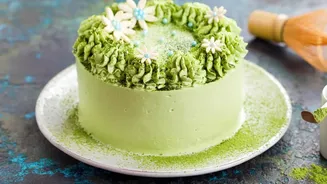
Thinking of making the switch? It's important to know that not all matcha is created equal. You'll primarily see two grades: ceremonial and culinary. Ceremonial grade is the highest quality, made from the youngest tea leaves, and is intended to be enjoyed on its own, whisked with hot water. It has a more subtle, nuanced flavor. Culinary grade is made from more mature leaves, has a bolder taste, and is designed to be mixed into lattes, smoothies, and baked goods. While ceremonial grade is more expensive, both grades offer health benefits. For your first at-home latte, a good quality culinary or a versatile 'premium' blend is a great place to start.