





The City That Never Cools Down
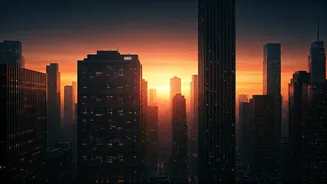
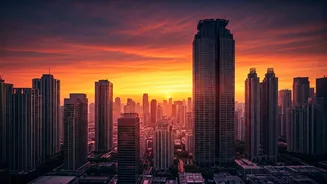
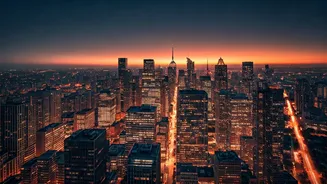
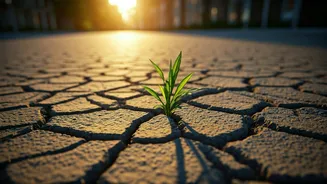
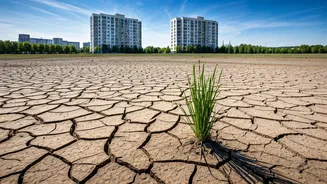
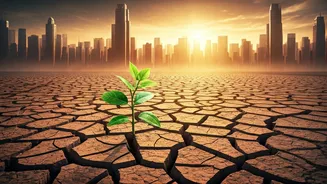
This phenomenon is called the Urban Heat Island (UHI) effect, and it's particularly noticeable at night. During the day, the concrete, asphalt, and dark-coloured buildings that define our cities absorb and store vast amounts of solar radiation. Unlike
rural areas, where soil and vegetation release this heat quickly after sunset, urban materials radiate it slowly throughout the evening and night. This process can keep city centres significantly warmer—sometimes by several degrees—than their leafy surroundings, preventing any real relief from the day's heat. The trapped heat is further compounded by waste heat from vehicles, factories, and air conditioning units, turning our cities into veritable heat traps.
Nature's Air Conditioner: How Greenery Works
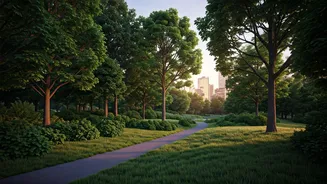
Green spaces are a powerful antidote to the UHI effect. Their cooling power comes from two main processes: shading and evapotranspiration. Trees provide shade that prevents sunlight from ever reaching and heating the ground and buildings. Shaded surfaces can be dramatically cooler than those exposed to direct sun. More importantly, plants act as nature's own air conditioners through evapotranspiration. This is the process where plants draw water from the ground and release it as cool water vapour through their leaves. This process actively uses heat from the surrounding air, resulting in a noticeable cooling effect. Because less heat is stored in the ground during the day thanks to shade and active cooling, the cooling effect continues after dark.
From a Single Tree to a Network of Parks
While even a single street tree helps, the greatest cooling benefits come from larger, connected networks of green space. Large parks, green corridors along rivers, and even a series of smaller community gardens work together to create 'park cool islands' within the urban landscape. These green networks allow cooler air to circulate more freely, breaking up the trapped pockets of heat that characterize dense city blocks. Studies have shown that areas near large parks can be several degrees cooler at night. This is why urban planning that strategically links green spaces is far more effective than just planting trees randomly. It creates a system that can fundamentally alter a city's microclimate for the better.
A Critical Need for Indian Cities
For rapidly urbanising countries like India, tackling the UHI effect is not a luxury but a necessity. Cities like Delhi, Mumbai, and Bengaluru are already grappling with intense heatwaves, a problem made worse by dense construction and the loss of natural landscapes. The good news is that many Indian cities are beginning to integrate green solutions into their planning. Ahmedabad has pioneered cool roofs and reflective pavements, while Delhi is focusing on restoring its large green spaces. In Uttar Pradesh, the planting of dense, fast-growing Miyawaki mini-forests is being used to lower city temperatures and improve air quality. These initiatives recognise that green infrastructure is as vital as roads and bridges for creating resilient, liveable cities.
Thinking Beyond the Park
Creating cooler cities requires a holistic approach that goes beyond traditional parks. Innovative solutions are being adopted to weave greenery into the very fabric of the urban environment. Green roofs and vertical gardens, for example, help cool individual buildings by providing shade and insulation. They also contribute to the broader cooling of the neighbourhood through evapotranspiration. Similarly, using permeable or 'cool pavements' that are lighter in colour can reduce how much heat is absorbed by roads and walkways. By combining large green spaces with these smaller, integrated solutions, cities can build a comprehensive defence against the relentless cycle of urban heating.