




Why This Sanctuary Is Special
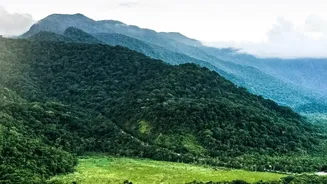
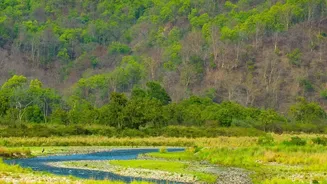
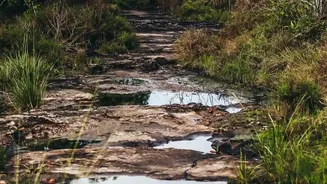
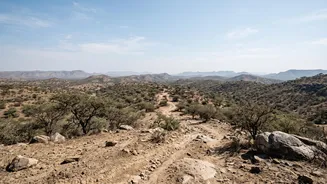
Located just 15 km from the coastal city of Porbandar in Gujarat, the Barda Wildlife Sanctuary is a rugged, hilly landscape covering about 192 square kilometres. Declared a sanctuary in 1979, its dry deciduous forests and scrublands are home to an exceptional
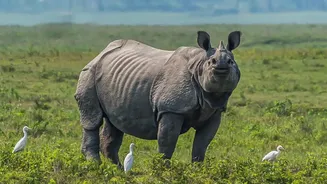
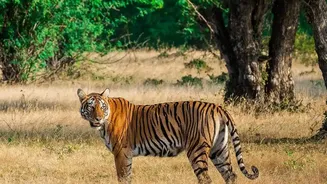
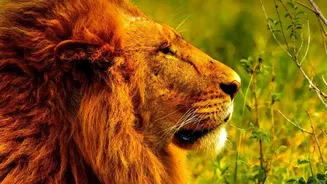
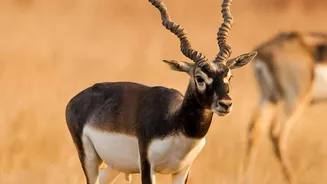
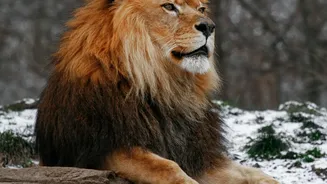
diversity of over 650 plant species, including many medicinal varieties. The sanctuary's importance has soared recently as it has become the second official home for Asiatic lions outside of the Gir forest. After a male lion naturally migrated to the area, a structured reintroduction program has helped establish a small, breeding population, a landmark achievement in conservation that reduces the risk of having all the lions in one location. Beyond lions, Barda supports leopards, hyenas, wild boar, nilgai, and over 200 species of birds.
The Golden Rules of Responsible Tourism
Responsible tourism, or ecotourism, is about making a positive impact. The core principles are simple: minimize your environmental footprint, respect wildlife, and support local communities. This means leaving a place better than you found it. In a sensitive ecosystem like Barda, this translates to tangible actions: carrying out everything you carry in, sticking to designated paths, and ensuring your visit contributes financially to conservation and the local economy. The goal is to be an observer, not an intruder, allowing the natural processes of the sanctuary to continue undisturbed by your presence.
Planning Your Mindful Visit
A responsible trip starts before you even arrive. The best time to visit is between October and February, when the weather is cool and pleasant for safaris. It is crucial to book your safari in advance through official channels, as the sanctuary requires visitors to use authorised forest department vehicles and guides. There are no shops or restaurants inside, so pack your own water and light snacks, ensuring you have a bag to carry all your waste back out with you. Wear comfortable, closed-toe shoes and clothes in muted colours like green, brown, or grey to blend in with the surroundings and avoid startling the animals.
Etiquette Inside the Sanctuary
Once inside Barda, your behaviour directly impacts the environment and its inhabitants. The most important rule is to stay on the designated safari tracks and trails. Do not ask your driver or guide to enter restricted zones. Noise is a major disturbance; keep conversations low and turn off mobile phone ringers. Playing music is strictly prohibited. When observing wildlife, maintain a respectful distance and resist the urge to get closer for a better photo. Never attempt to feed any animal, as this disrupts their natural foraging habits and can make them aggressive or dependent on humans. Finally, littering is forbidden. Hold onto all wrappers, bottles, and other waste until you are outside the sanctuary and can dispose of it properly.
Wildlife Viewing with Respect
The thrill of seeing an animal in its natural habitat is a privilege. To ensure these encounters are safe and respectful, always follow your guide’s instructions. Do not call out or make sudden movements to attract an animal's attention. Flash photography is disruptive and can frighten or blind animals, so it should never be used. Use binoculars for a closer look at birds and distant animals without needing to approach them. Remember that you are a guest in their home. The best wildlife sightings happen when animals are undisturbed and behaving naturally, which is a reward for patient and quiet observation.
Supporting Local Communities
A key pillar of ecotourism is ensuring that local people benefit from conservation. The Barda landscape is home to several ethnic communities, including the Maldharis, Bharvads, and Rabaris. When you visit, you can contribute positively by hiring local guides, purchasing locally made handicrafts outside the sanctuary, and respecting the local culture. The Gujarat government has been working on programs to support these communities, including voluntary relocation schemes to reduce pressure on the forest. By ensuring that tourism provides a viable livelihood, communities become powerful partners in protecting the sanctuary's future.