



The Shifting Tides of Travel
The upcoming Independence Day long weekend is seeing a notable trend. While airports and highways brace for a surge, Indian Railways is experiencing a significant uptick in demand, especially on popular leisure routes. Travel insiders note that this isn't
just about nostalgia; it’s a calculated decision driven by practicality and a desire for a different kind of travel experience. As flight prices remain volatile and often surge during peak periods, the predictable and significantly lower cost of train travel presents a compelling alternative for families, students, and young professionals looking to maximize their holiday budget without sacrificing the getaway itself. This August, which features multiple long weekend opportunities, is expected to see heavy travel, and many are planning ahead to secure their spots on the rails.
A Clear Winner on Cost
The most significant driver behind this trend is the undeniable cost advantage. A Third AC train ticket can be dramatically cheaper than a budget airline flight for the same route, often by 50-70% once ancillary costs are factored in. For instance, a journey on a premium train might cost between ₹1,500 and ₹2,500, while a last-minute flight for a long weekend could easily command upwards of ₹4,500, excluding extras. This doesn't even account for the high cost of airport taxis and exorbitant baggage fees. Airlines in India typically restrict free check-in luggage to 15 kg, whereas train passengers in AC classes can carry up to 50 kg without extra charges, a huge benefit for those planning longer stays or carrying gifts for family. This makes the train not just a cheaper ticket, but a holistically more economical mode of transport.
More Than Just a Cheaper Ticket
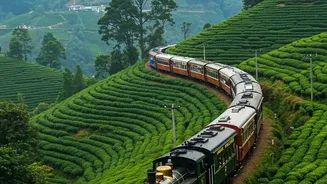
Beyond the savings, travellers are rediscovering the unique comforts of train journeys. Unlike the cramped confines of a budget flight, trains offer the freedom to walk around, stretch, and enjoy a sense of space. An overnight journey in a sleeper or AC coach effectively saves the cost of a night's hotel stay, allowing travellers to wake up at their destination refreshed and ready to explore. Furthermore, railway stations are almost always centrally located within cities, eliminating the long and expensive commute to airports situated on the outskirts. This convenience factor, combined with the ability to see the diverse Indian landscape unfold from your window, transforms the journey from a mere transit into a memorable part of the vacation itself.
Embracing the Journey Itself
The appeal of train travel also lies in the experience. It’s a social space where you can interact with fellow travellers from different walks of life, sharing stories and snacks. The ability to carry homemade food, a strict no-go on flights, adds a touch of comfort and further savings. For many, the gentle rock of the carriage, the call of the chai-wallah, and the unhurried pace offer a welcome antidote to the stress of modern life. It's a chance to disconnect, read a book, or simply watch the world go by. This immersive, ground-level perspective of the country is something no flight can offer, making it an authentic part of the Indian travel experience.
Smart Booking for a Smooth Trip
Securing a seat during a busy long weekend requires some planning. The key is to book well in advance, as Indian Railways opens reservations 60 days prior to the journey date. Using the official IRCTC website or authorized apps is the most reliable way to book. If you find yourself on a waitlist, don't despair. Indian Railways has an AI-powered prediction tool that now shows the probability of confirmation with high accuracy, helping you make an informed decision. Furthermore, the 'Vikalp' scheme might accommodate waitlisted passengers on an alternate train, including premium ones like the Rajdhani or Shatabdi, at no extra cost. For last-minute plans, the Tatkal booking window opens one day before departure, though it requires quick fingers.