



Spiti Valley, Himachal Pradesh
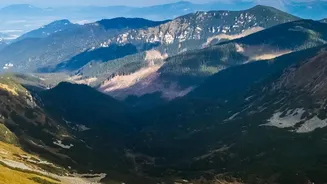
Tucked away in the trans-Himalayan region, Spiti Valley is a high-altitude desert that offers a unique escape from the monsoon. It sits in a rain-shadow area, meaning the towering Himalayan ranges block most of the rain-bearing clouds. As a result, while
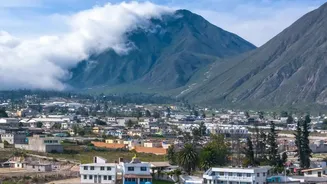
the rest of the country is drenched, Spiti enjoys pleasant daytime temperatures, clear blue skies, and minimal rainfall in August. This is one of the best times to visit, as the roads from Manali are typically open and the stark, brown mountains are complemented by patches of green from snowmelt-fed fields and blooming wildflowers. You can explore ancient Tibetan monasteries like Key Monastery and Tabo, visit the stunning Chandratal Lake, and drive through some of India's most dramatic landscapes. However, be prepared for challenging road conditions on the approach to the valley, as the lower regions of Himachal still experience heavy monsoon rains which can cause landslides.
The Valley of Flowers, Uttarakhand
For those who don't mind some rain but want a truly spectacular reward, the Valley of Flowers National Park in Uttarakhand is an ideal choice. August is the absolute peak blooming season for this UNESCO World Heritage Site. The entire valley transforms into a vibrant carpet of countless alpine flowers, creating a surreal and colourful landscape. While August is part of the monsoon, the rain often comes in manageable showers rather than a constant downpour, especially in the mornings. The mist and clouds add a mystical quality to the scenery, and the waterfalls are in full flow. Temperatures remain cool and pleasant for trekking. It's the most popular month to visit for a reason, but be sure to pack proper rain gear and waterproof shoes, as trails can get slippery and muddy. The unparalleled floral display makes dealing with a bit of rain more than worthwhile.
Kodaikanal, Tamil Nadu
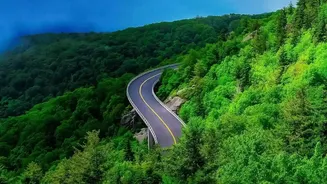
Down south, Kodaikanal offers a different kind of monsoon experience. Situated in the Palani Hills of Tamil Nadu, it receives more moderate rainfall compared to its counterparts in Kerala or the western-facing slopes of the Ghats. August sees misty landscapes, lush greenery, and a pleasant, cool climate. Temperatures are comfortable, creating a perfect atmosphere for exploring the 'Princess of Hill Stations'. The rain enhances the beauty of the region's lakes, forests, and waterfalls without completely disrupting travel plans. You can enjoy boat rides on the star-shaped Kodaikanal Lake, take misty walks along Coaker's Walk, and visit the verdant Bryant Park. It's a great option for travellers seeking a romantic and refreshing escape with all the atmospheric benefits of the monsoon but with less of its intensity.
The Eastern Side of the Western Ghats
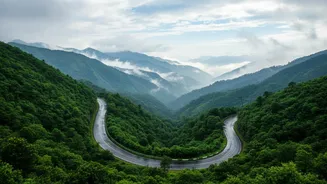
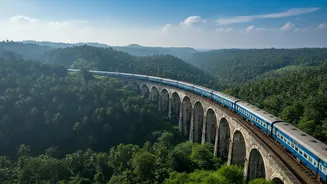
A lesser-known travel secret is to explore the eastern slopes of the Western Ghats. This entire belt lies in a rain-shadow region, receiving significantly less rainfall than the western side, which bears the full brunt of the monsoon. While areas in Kerala and coastal Karnataka are inundated, destinations just across the mountains in Tamil Nadu or the eastern parts of Karnataka remain relatively drier. This allows you to enjoy the lush greenery spilling over from the mountains without constant deluges. Hill stations like Kodaikanal are part of this, but the principle applies to a wider area. It provides a unique opportunity to experience the monsoon-fed ecosystem, with its vibrant flora and fauna, in a more accessible and comfortable way. This makes it an ideal region for scenic drives and exploring off-the-beaten-path locations.