


The Allure of the Monsoon Veil
There's a unique charm to watching the monsoon roll into the Himalayan foothills. [22] The air, thick with the scent of rain-soaked earth and pine, becomes a refreshing escape from the heat of the plains. [28] Familiar landscapes of popular destinations
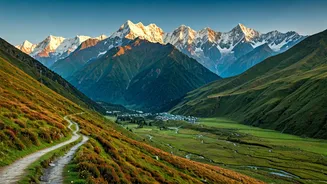
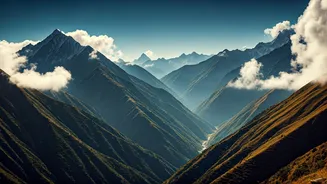
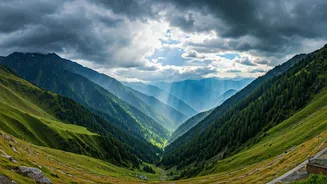
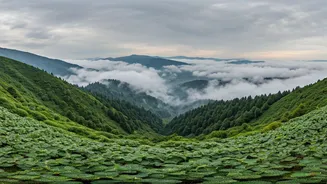
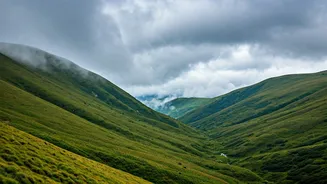
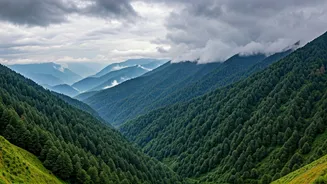
like Shimla, Mussoorie, and Manali take on an entirely new character. [13] Mountains disappear and reappear behind a slow-moving curtain of mist, creating a dramatic, ever-changing vista that feels both grand and intimate. [15, 23] This isn't the North India of crisp, clear winter days; it's a softer, more poetic version, where valleys are draped in a dreamy, cloudy blanket and the world outside your window turns into a living painting. [16] The constant play of clouds and light creates a tranquil and magnificent atmosphere, encouraging a slower, more reflective pace of travel. [15]
A Symphony for the Senses
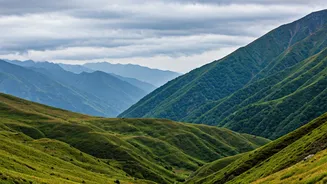
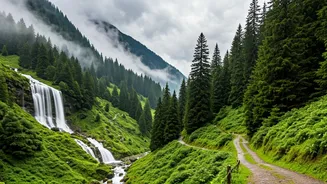
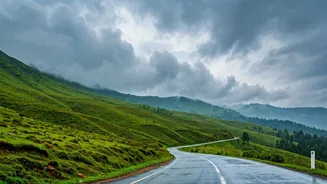
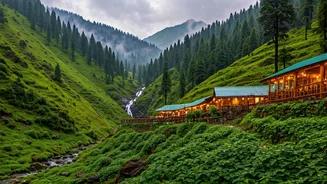
The monsoon season in the mountains is an experience that engages all the senses. The landscape, washed clean by the rains, erupts into vibrant, almost impossible shades of green. [27] Waterfalls like Kempty and Bhatta Falls, which may be modest trickles in drier months, roar back to life with renewed energy. [5, 9] The sound of raindrops drumming on the roof of a cosy café in Landour or a colonial-era hotel in Shimla becomes the perfect soundtrack for an afternoon of relaxation. [6, 7] This is the season for indulging in comfort food—a steaming plate of momos or a hot cup of masala chai tastes infinitely better as you watch the rain outside. [27] It's a time when the simple pleasures feel the most profound, from a misty walk along Mussoorie's Camel's Back Road to enjoying the complete silence of a forest trail. [5]
Destinations Reimagined in Mist
While many hill stations across North India are beautiful during this season, some are particularly enchanting. Mussoorie, the "Queen of the Hills," becomes a misty paradise, perfect for those seeking a romantic and serene atmosphere. [5, 17] Driving to viewpoints like Lal Tibba or Cloud's End offers the chance to literally be inside a cloud, with the world below completely hidden from view. [5, 10] Shimla, with its colonial architecture, takes on a gothic charm as fog weaves through the deodar trees on the Mall Road. [12, 21] Further north, places like Dalhousie offer a quieter retreat, with lush, gleaming landscapes that are less crowded than during the peak summer season. [8] Even Manali, a hub for adventure, offers a different kind of thrill as the rain enhances the raw beauty of the Solang Valley and the gushing Beas River. [11, 14]
The Art of Slow Travel
Perhaps the greatest appeal of the mountains during the monsoon is the invitation to slow down. With adventure sports like paragliding and river rafting often suspended due to safety concerns, the focus shifts away from a packed itinerary. [26] This is the ideal time to embrace the art of doing very little. Find a comfortable chair by a large window, curl up with a book, and simply watch the weather change. [7] The off-season timing means fewer tourists, allowing for a more peaceful and personal connection with nature. [7, 12] You can enjoy long, uninterrupted walks, explore local markets without the crowds, and find parking with ease. [6] It's a season that rewards patience, encouraging visitors to relax, rejuvenate, and appreciate the quiet moments that are often lost in the rush of a typical holiday. [27]