

Beyond Butter Chicken: A Culinary Awakening
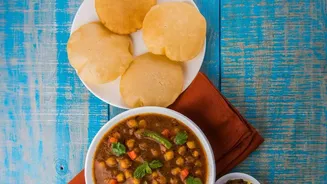
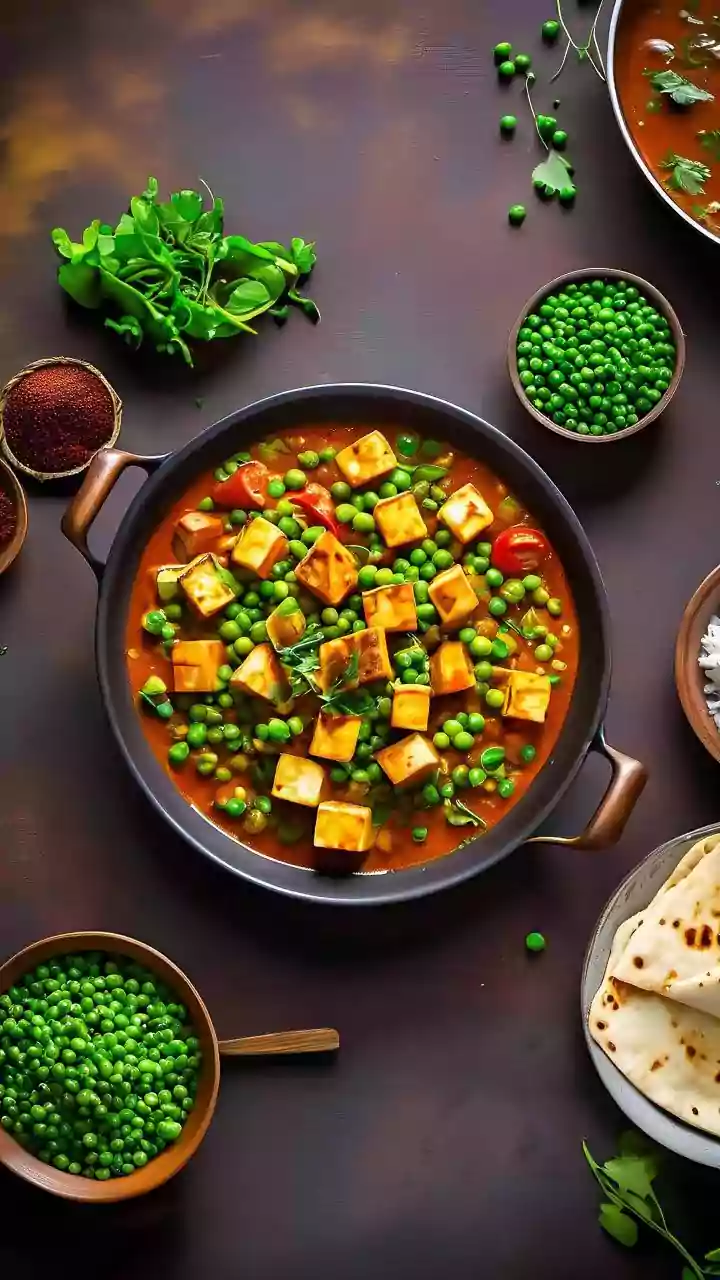
The era of a monolithic 'Indian cuisine' is officially over. Diners across the country are moving past the once-dominant menus of butter chicken and saag paneer, which are seeing a decline in popularity. Instead, there's a growing appetite for authenticity
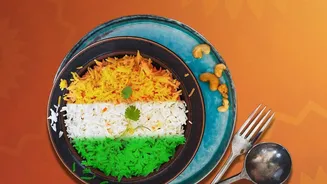
and variety, driving a nationwide curiosity for flavours that were once confined to their home states. Restaurants are responding by showcasing specific culinary identities, from Hyderabadi biryani and Goan fish curry to Kolkata's kathi rolls. This shift isn't just about novelty; it reflects a deeper appreciation for the true diversity of India's food culture, where consumers have 'graduated' from gateway dishes to more complex, regional specialities.
The Undiscovered East and Fiery South
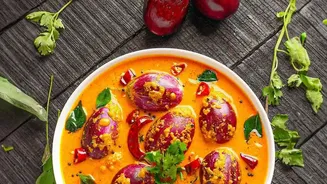
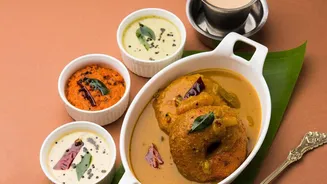
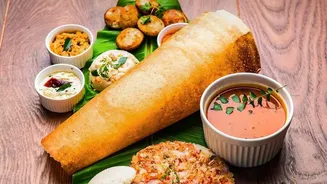
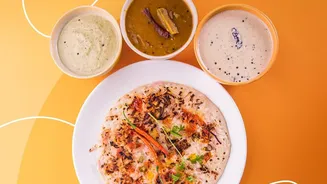
For years, cuisines from the Northeast remained one of India's best-kept secrets. Now, flavours from states like Nagaland, Assam, and Meghalaya are gaining a devoted following in urban centres. Dishes featuring smoked pork, fermented soybeans (axone), and bamboo shoots are appearing on menus, celebrated for their unique, minimalist, and often healthy preparations. Similarly, South Indian cuisine is being explored far beyond dosa and idli. Foodies are embracing the complex, spicy profiles of Chettinad preparations, the coconut-rich seafood dishes of Kerala, and the distinctive flavours of Andhra meals. Keralan cuisine, in particular, has been flagged as a major trend for 2026, with its veggie-forward dishes and unique spices like curry leaves and asafoetida capturing national interest.
Ancient Grains Are the New Superstars
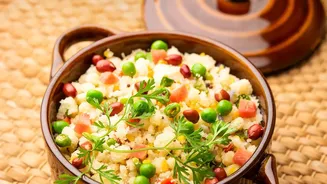
The health and wellness movement has found a powerful ally in India's forgotten ancient grains. Millets like bajra (pearl millet), ragi (finger millet), and jowar (sorghum) are making a major comeback. Once considered humble, rural staples, these grains are now celebrated for their nutritional benefits, including high protein and fibre content. This revival is visible everywhere, from fine-dining restaurants serving millet risottos to home cooks swapping refined flour for millet-based alternatives in rotis, dosas, and even breakfast bowls. The trend is driven by a desire for healthier, more sustainable food choices, reconnecting modern Indians with ingredients that have been part of their heritage for centuries.
Social Media's Role in a Flavour Revolution
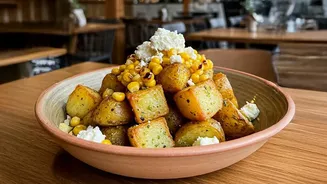
The mainstreaming of regional food owes a significant debt to social media. Platforms like Instagram have become virtual launchpads for lesser-known dishes, turning them into viral sensations. Food bloggers and influencers are showcasing the rich culinary heritage of different regions, from Uttarakhand's Aloo Ke Gutke to Varanasi's Tamatar ki Chaat. This digital storytelling creates curiosity and encourages a new generation to explore and appreciate the diversity of Indian food. Home chefs have also used these platforms to build businesses around regional delicacies, making authentic, home-style meals more accessible than ever before and fuelling a culture of culinary exploration.
The New Definition of Authenticity
Ultimately, the biggest trend of 2026 is the redefinition of authenticity itself. Diners are no longer satisfied with generic curries; they want food with a story and a specific sense of place. This has led to the rise of 'hyper-regional' dining, where menus celebrate not just a state, but a specific community or tradition within it. Chefs are acting as culinary storytellers, championing overlooked ingredients and reviving forgotten recipes. This movement is about more than just food; it's a celebration of identity, heritage, and the incredible culinary tapestry of India, finally being appreciated in its entirety.