

A Kitchen Pantry on the Beauty Shelf
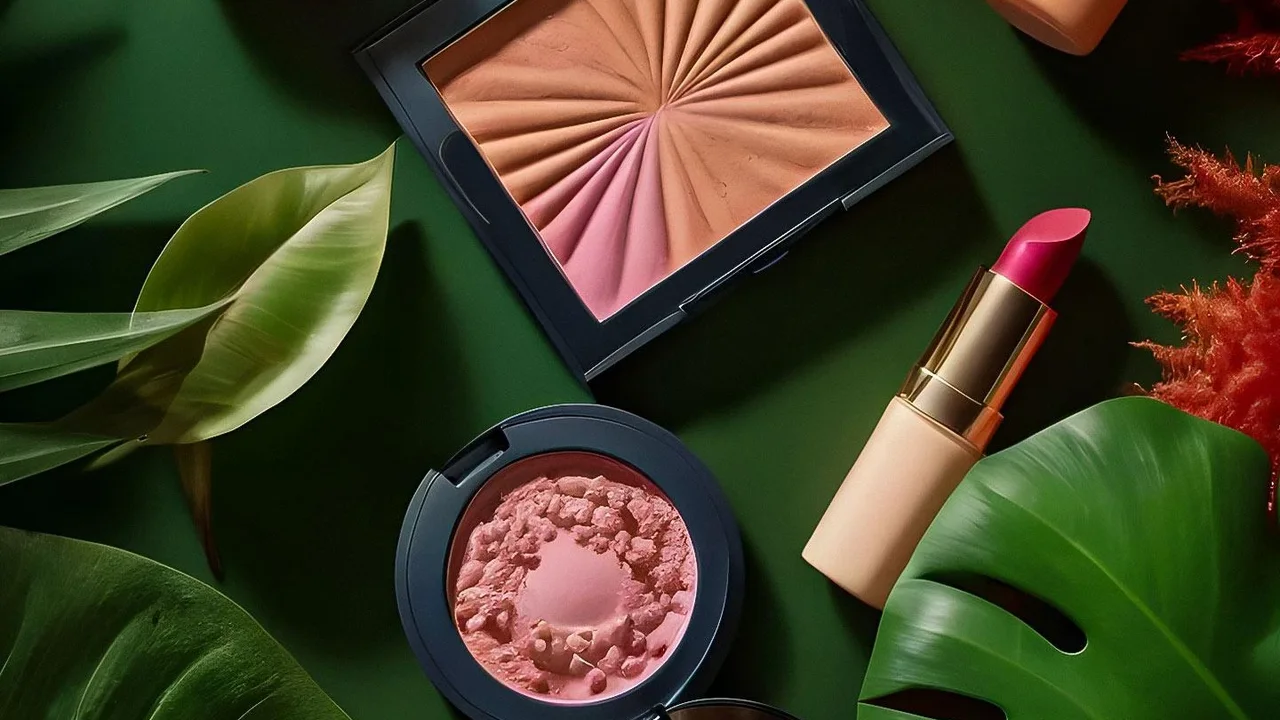
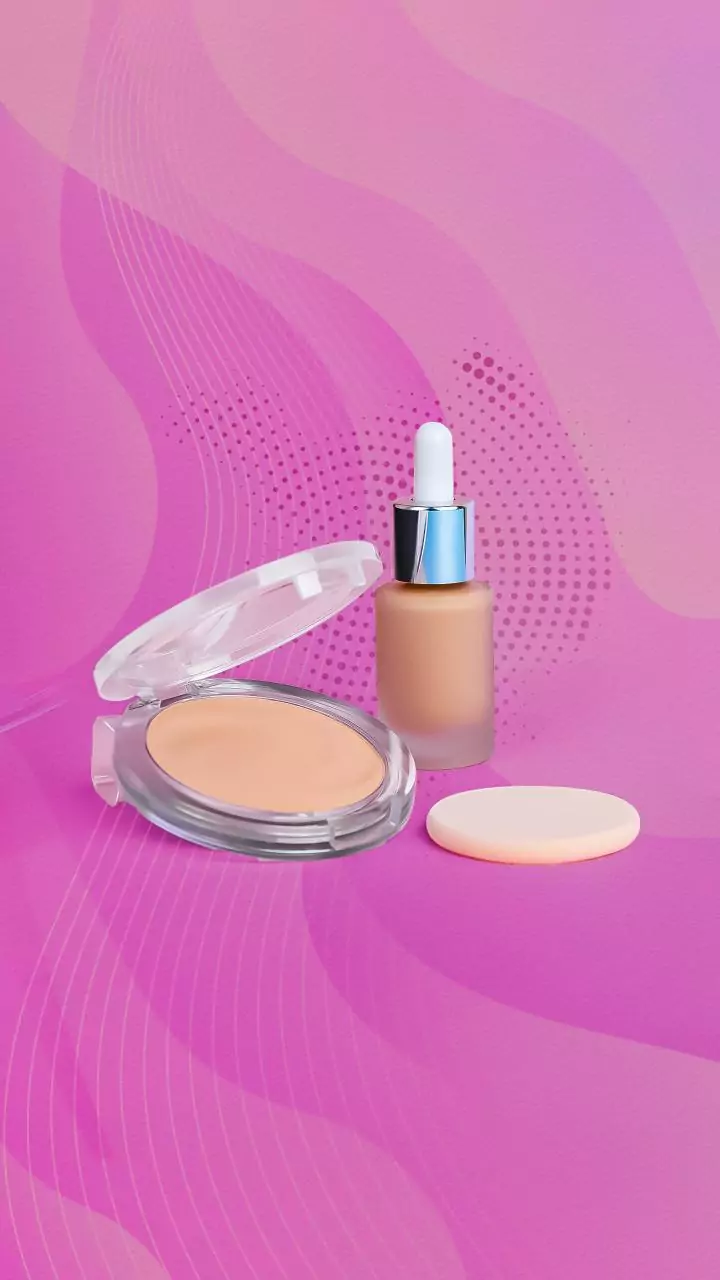
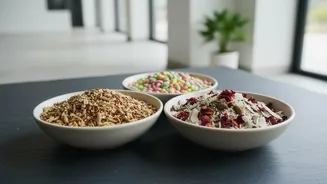
The global beauty market is currently experiencing a “gourmand” trend, with products that look and smell good enough to eat. From latte-inspired makeup to lip balms that smell like caramel popcorn, brands are using the sensory appeal of food to create
a connection with consumers. In India, this trend is booming, with a host of new and established companies offering products infused with everything from grapefruit and macadamia to masala chai and jalebi. This approach taps into a desire for novelty and indulgence, turning a simple skincare routine into a multi-sensory experience. But while the packaging and marketing might be new, the core concept of using food for beauty is anything but.
Echoes of Ancestral Wisdom
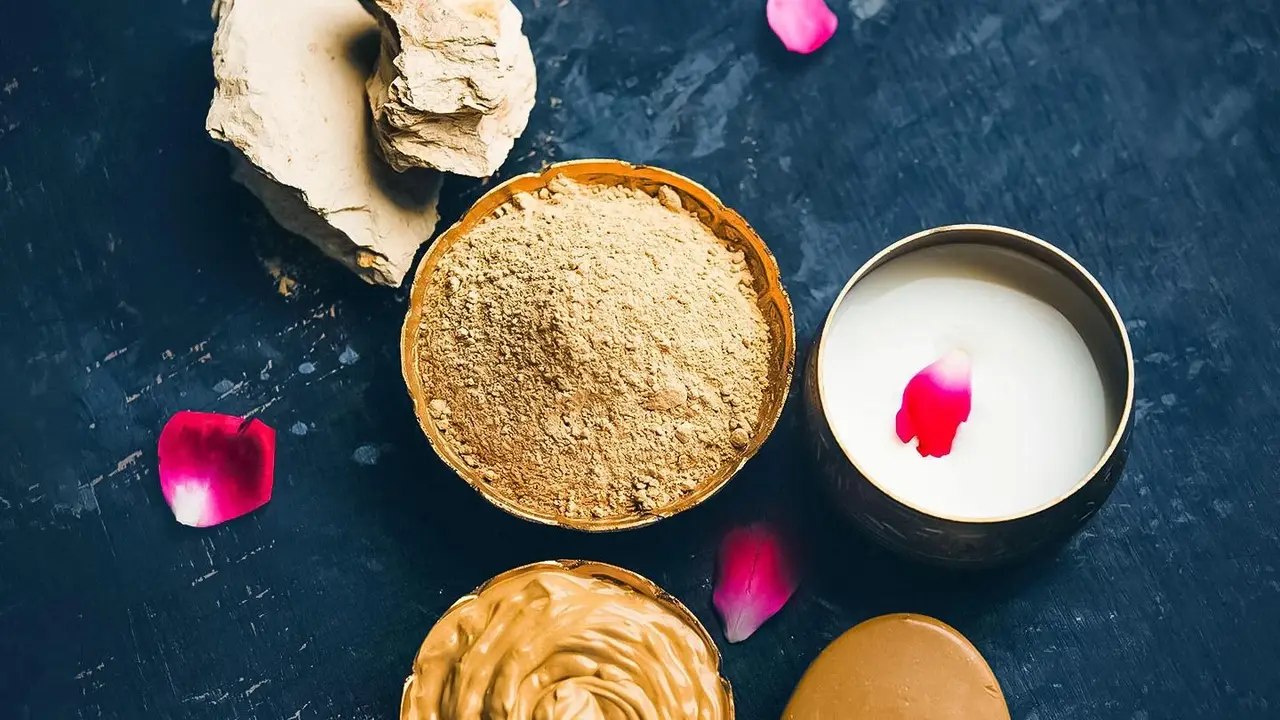
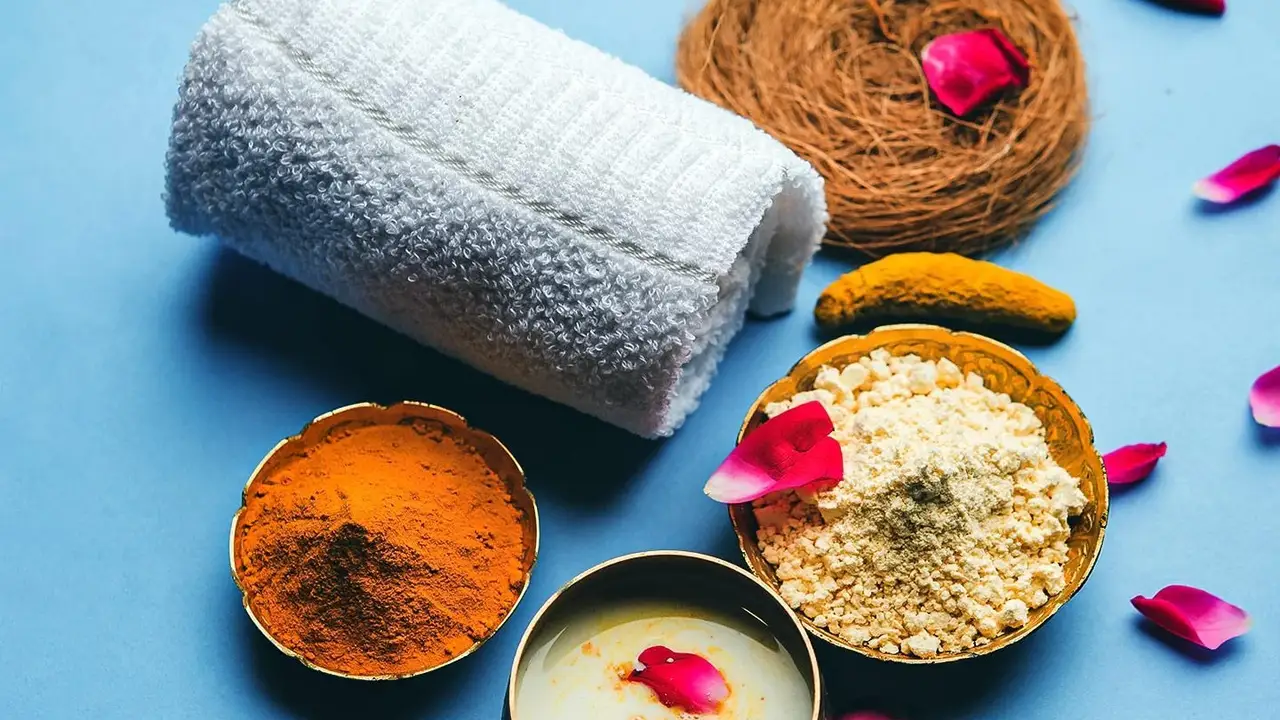
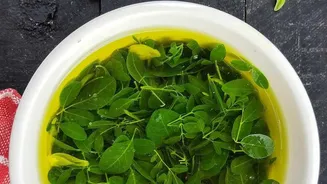
For generations, Indian households have been turning to the kitchen for their beauty fixes. The practice is deeply rooted in Ayurvedic traditions and home remedies passed down from grandmothers. The most iconic of these is ‘ubtan’, a paste made from ingredients like gram flour (besan), turmeric (haldi), and sandalwood, often mixed with milk or rosewater. Used for centuries, especially in pre-wedding rituals like the Haldi ceremony, ubtan is celebrated for its ability to cleanse, exfoliate, and impart a natural glow. These aren't just old wives' tales; they are time-tested rituals that form a core part of cultural identity, symbolizing purification and well-being.
The Psychology of Purity and Trust
The preference for food-based ingredients stems from a simple, powerful belief: if it's safe enough to eat, it's safe enough to put on your skin. In an age of heightened awareness about synthetic chemicals, Indian consumers are increasingly seeking out “natural” and “clean” beauty products. A survey by FICCI noted that 71% of Indian consumers prefer natural beauty products over synthetic alternatives. This shift is driven by a desire for transparency and a return to ingredients that are perceived as pure and trustworthy. Food ingredients like turmeric, ghee, and various fruit extracts meet this need perfectly, offering a sense of safety that a complex chemical name cannot.
From DIY to Direct-to-Consumer
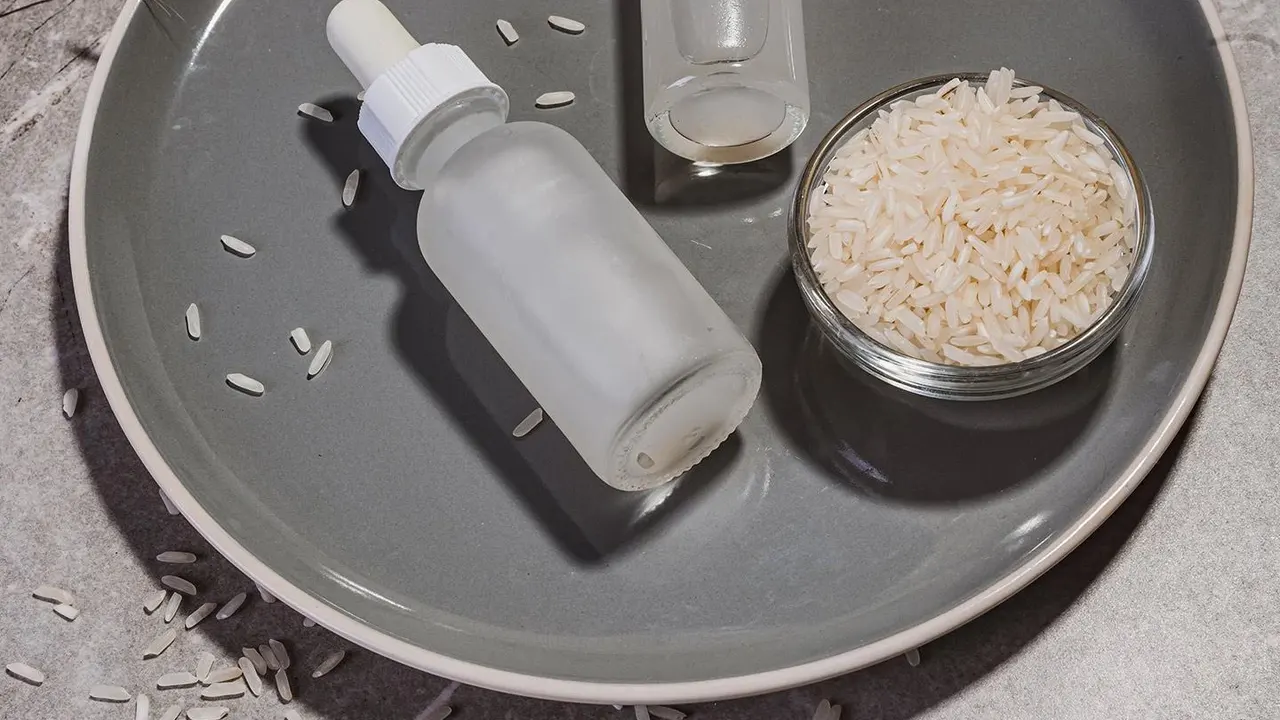
While the tradition of DIY beauty is strong, the modern consumer often lacks the time for homemade preparations. This is where a new wave of Indian beauty brands has found its sweet spot. Companies like Ubtan Story, Pure Sense, and 82°E are successfully marrying ancient Ayurvedic wisdom with modern skincare science and convenient packaging. They offer the goodness of traditional ingredients like turmeric, neem, ashwagandha, and even ghee, but in ready-to-use, elegantly formulated products. These brands speak a language that resonates with today’s consumer—one that honours heritage while fitting seamlessly into a contemporary lifestyle.
More Than Just an Ingredient List
Ultimately, the appeal of food-inspired beauty in India goes beyond the ingredient list. It’s about nostalgia and sensory memory. The fragrance of sandalwood or turmeric can evoke cherished memories of festive occasions and family rituals. Brands have recognized this deep emotional connection, creating products like ‘Glazed Jalebi’ and ‘Wedding Rose’ lip tints that tap directly into these cultural touchstones. Using these products is not just an act of self-care; it's a way of reconnecting with one's roots. It offers comfort, familiarity, and a sense of pride in traditions that have been proven effective for centuries.