






A National Water Bank Running Low
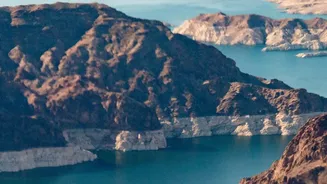
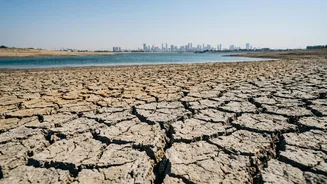
As of late September 2026, India is facing a significant water stress situation. Data from the Central Water Commission (CWC) paints a concerning picture: water storage in the country's 178 major reservoirs stands at just 70% of their total capacity.
This is not only below last year's level of 79% but also trails the ten-year average of 76.6%. The 2026 southwest monsoon ended with a rainfall deficit of nearly 13%, the worst in over a decade, failing to adequately replenish the massive dams that are India’s lifeline. While central and western regions are in a relatively better position, the situation is particularly grim in other parts of the country.
Southern India Faces the Sharpest Decline
The southern peninsula is experiencing the most acute water crunch. Reservoirs in Andhra Pradesh, Telangana, Karnataka, Kerala, and Tamil Nadu are collectively holding only 50% of their total capacity. This is a dramatic drop from the 87% recorded at the same time last year. This steep decline is a direct result of a 23% deficit in monsoon rainfall in the region. The shortfall has already led to drought declarations in parts of Karnataka and Maharashtra, signaling severe challenges ahead for the post-monsoon months.
The Impact on Farmers and Food Security
Low reservoir levels cast a long shadow over Indian agriculture, especially for the upcoming Rabi (winter) crop season. Crops like wheat, barley, and mustard are heavily dependent on irrigation from these reservoirs. With less stored water, the amount available for irrigation is drastically reduced. This puts immense pressure on farmers and raises concerns about crop yields and, subsequently, food prices. Experts and officials are already advising farmers in affected states like Punjab to consider climate-resilient crops that require less water. The lack of soil moisture due to deficient rains further compounds the problem, making sowing a gamble for many in rain-fed areas.
Urban Taps and Drinking Water Supplies
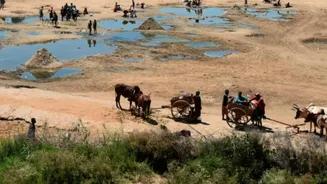
Beyond the fields, the effects are felt in cities and towns. Millions of people depend on reservoirs for their daily drinking water. As levels drop, water authorities are forced to make difficult decisions, often leading to rationing and the deployment of water tankers in hard-hit areas, as seen in Maharashtra's Marathwada region. This doesn't just mean inconvenience; it can lead to a public health crisis and escalate social tensions over a scarce resource. The post-monsoon period becomes a critical time for water management, with every drop in the reservoir carefully guarded for drinking purposes.
A Dim Outlook for Hydropower
India's power grid also feels the strain. Hydropower, which accounts for a significant portion of the country's renewable energy, is directly tied to water flow and reservoir height. Lower water levels mean less potential energy to turn turbines, resulting in a sharp drop in electricity generation. Hydropower output has already seen a steep year-on-year decline in recent months. To compensate for this shortfall, the country is forced to rely more heavily on coal-fired power plants, which increases carbon emissions and puts pressure on coal stockpiles. This creates a ripple effect, impacting energy security and climate goals.