


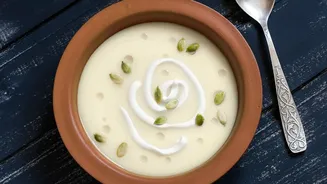

Classic Rice Kheer
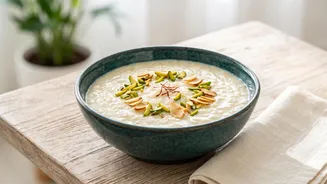
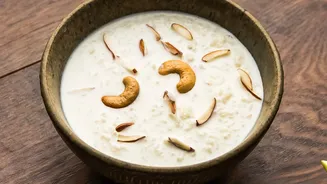
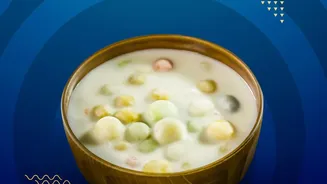
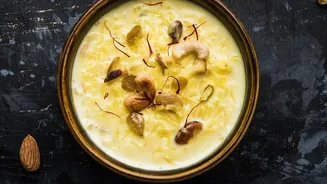
No festival in India feels complete without Kheer, and Janmashtami is no exception. This creamy rice pudding, slow-cooked in full-fat milk until it thickens, is a comforting and universally loved offering. The process is a labour of love; as the milk reduces,
it absorbs the subtle fragrance of the rice, creating a rich base. Flavoured with green cardamom, a pinch of saffron for colour and aroma, and sweetened just right, it’s a divine dessert. Garnished with slivered almonds and pistachios, Kheer can be offered warm or chilled. Its simple, pure ingredients make it a perfect sattvic offering for the midnight puja.
Mathura ke Pede
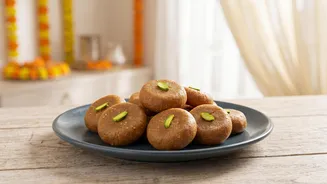
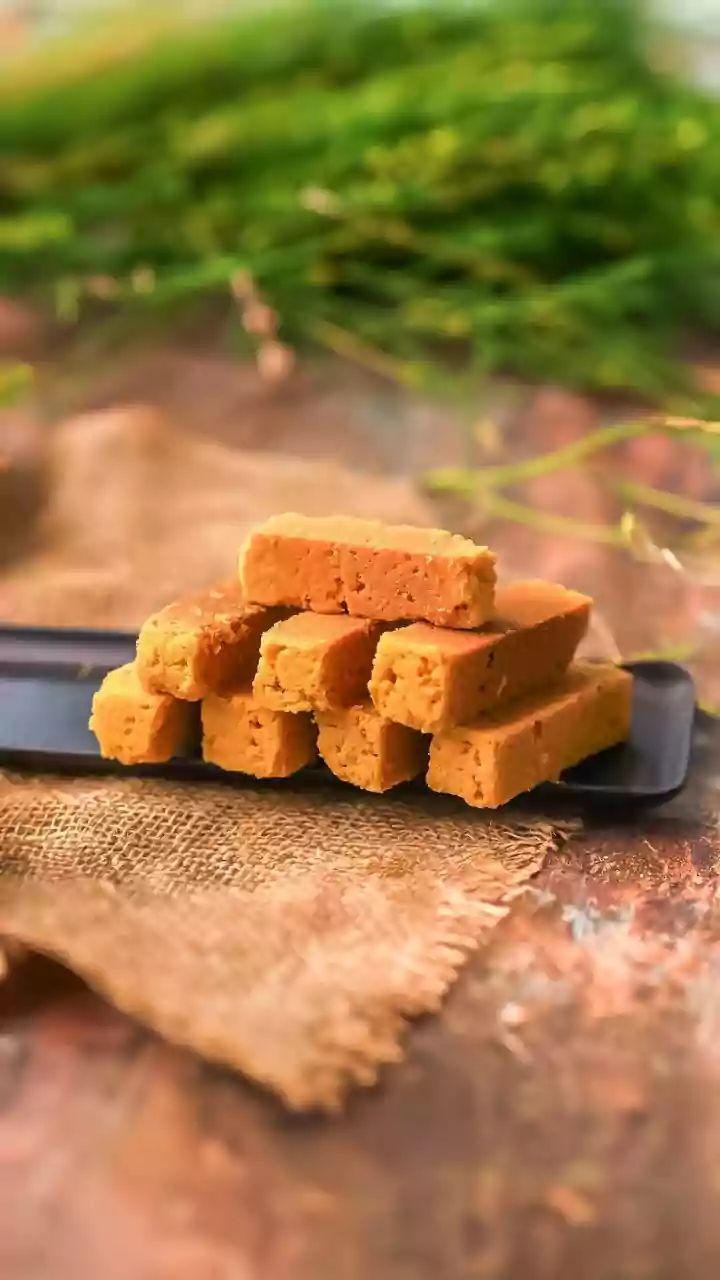
Hailing from the holy city of Mathura, Lord Krishna's birthplace, these pedes are an iconic Janmashtami sweet. Unlike the common white peda, Mathura peda has a distinctive dark, caramelised colour and a delightfully grainy texture. This comes from roasting khoya (milk solids) over a low flame until it turns a rich brown, a process that requires patience but yields an incredible nutty flavour. The roasted khoya is then mixed with powdered sugar and aromatic spices like cardamom and sometimes a hint of nutmeg. Rolled into rustic shapes and often coated in coarse sugar, each bite is a taste of tradition directly from Braj Bhoomi.
Creamy Rabri
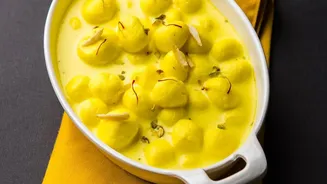
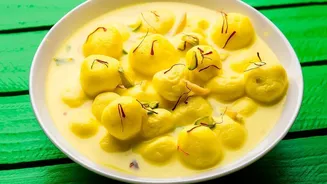
Rabri is the epitome of indulgence, a dessert made by patiently simmering milk in a heavy-bottomed pan for hours until it reduces and thickens. As the milk cooks, layers of cream (malai) that form on the surface are scraped from the sides and mixed back in, creating a luscious, textured consistency that is unlike any other sweet. Sweetened with sugar and infused with saffron and cardamom, this creamy delicacy is a royal treat fit for the gods. Often garnished with pistachios and almonds, Rabri is a rich, satisfying dessert that showcases the simple magic of milk transformed by time and care.
Soft and Grainy Kalakand
Kalakand, often described as an Indian milk cake, is another festive favourite perfect for bhog. It has a uniquely soft, moist, and grainy texture. The traditional method involves curdling milk and then simmering it with sugar until the mixture thickens and sets. Many modern recipes use paneer and condensed milk for a quicker preparation that still delivers the authentic taste. The mixture is cooked until it leaves the sides of the pan, then spread onto a plate to set before being cut into squares. Flavoured with cardamom and garnished with chopped pistachios, it’s a melt-in-your-mouth sweet that is both simple and decadent.
Makkhan Mishri
Perhaps the most significant and simplest offering for Lord Krishna is Makkhan Mishri. It directly honours his famous love for butter, earning him the affectionate name 'Makhanchor' or butter thief. This prasad requires no cooking at all. It is simply a mixture of fresh, unsalted white butter (makkhan) and rock sugar (mishri). The purity of the fresh butter combined with the gentle sweetness of the sugar crystals is believed to be Krishna's favorite food. Preparing this offering is an act of pure devotion, symbolising the sweet, innocent, and playful nature of Bal Gopal himself.