

The Context of the 'Snub'
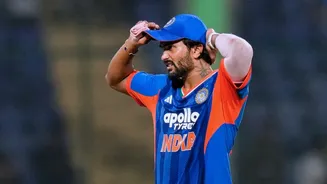
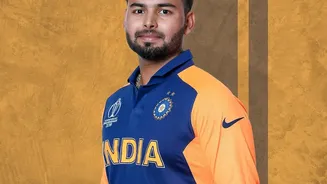
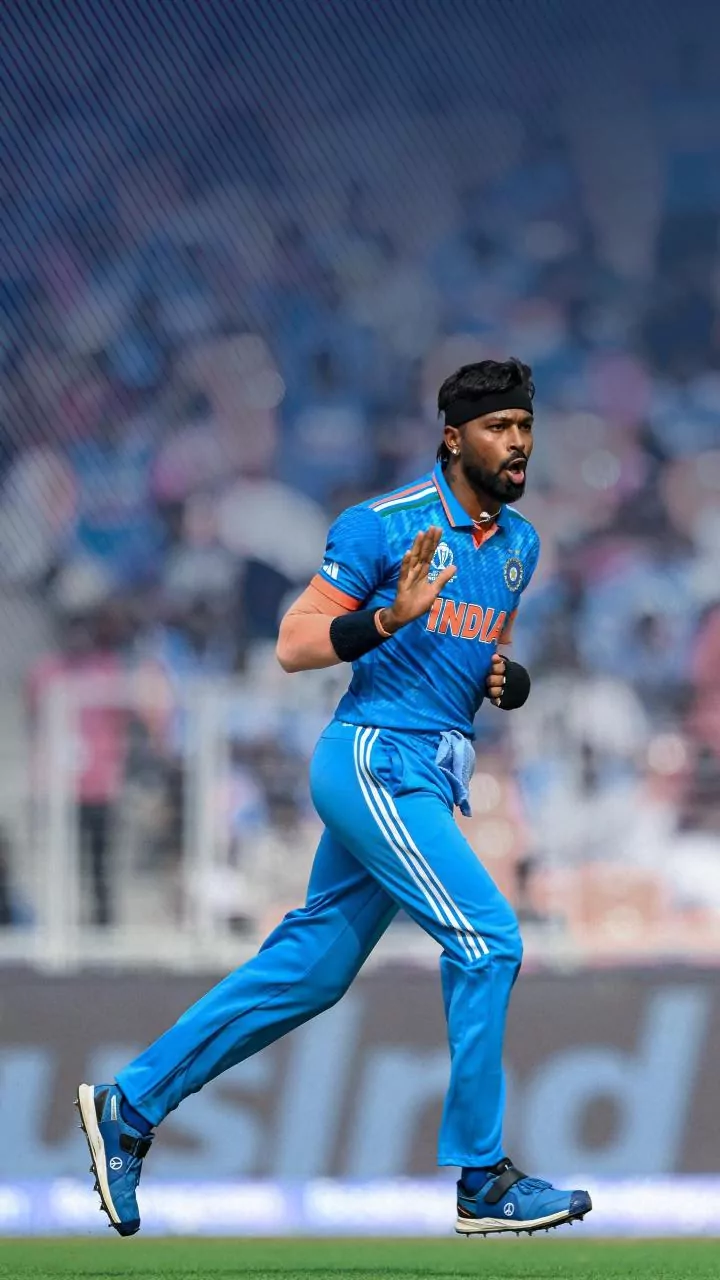
When the BCCI announced the 15-member squad for the three-match ODI series against West Indies starting September 27, Rishabh Pant’s name was a notable absentee. This wasn't a case of him being rested. Instead, the selectors opted for KL Rahul as the primary
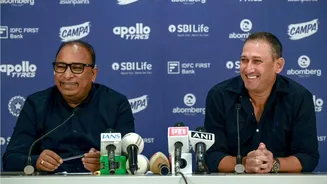
wicketkeeper, with the uncapped Dhruv Jurel as his backup. Compounding the surprise, the squad was already missing regulars like Shreyas Iyer and Ishan Kishan, who are on duty for the Asian Games. This created what seemed like a perfect opening for Pant's return—a vacant middle-order slot and a need for a left-handed batsman. His exclusion, therefore, feels less like a routine rotation and more like a definitive statement from the Ajit Agarkar-led selection committee about his current standing in the 50-over format.
A Tale of Two Formats
Rishabh Pant’s career is a fascinating story of contrasting fortunes. In Test cricket, he is a bona fide superstar. His counter-attacking hundreds in England, Australia, and South Africa have redefined the role of a wicketkeeper-batsman, turning matches on their head with sheer audacity. His unbeaten 89 at the Gabba in 2021 to clinch a historic series win against Australia remains etched in cricketing folklore. However, this red-ball magic has not consistently translated to the 50-over game. In 31 ODIs, Pant has scored 871 runs at an average of 33.50. While his strike rate of over 106 is impressive, the innings of substance have been few and far between. His maiden ODI century, a sublime 125 not out to win a series in England in 2022, showed what he is capable of, but it remains an outlier rather than the norm.
The Crowded House of Keepers
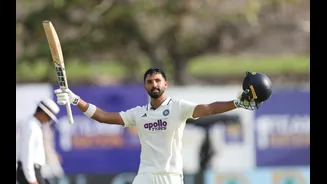
Pant's path back into the ODI fold is blocked by a queue of formidable contenders. KL Rahul has cemented his place as the first-choice wicketkeeper-batsman in the middle order, offering stability and experience. The team management has shown immense faith in him, even naming him vice-captain for the West Indies series. Then there is the likes of Sanju Samson and Ishan Kishan, both of whom provide explosive batting options. The selectors' decision to hand a maiden call-up to Dhruv Jurel, who had a stellar domestic season, is another clear signal that they are looking to groom new talent. According to reports, the decision to overlook Pant was influenced by feedback from the team management, which feels he hasn't fully done justice to his talent in white-ball cricket. His inconsistency has made it difficult for him to nail down a permanent spot.
The Road Ahead
This is by no means the end of the road for Rishabh Pant in ODIs. At 28, time is still on his side. Instead of the West Indies series, he has been given the responsibility of captaining the Rest of India squad in the Irani Cup. This assignment offers him a chance to get significant game time and score big runs in a high-profile domestic fixture, sending a reminder to the selectors of his capabilities. The path forward will require him to dominate domestic List A cricket, like the Vijay Hazare Trophy, to force his way back into contention. His challenge is to prove that his game-changing ability, so evident in Test cricket, can be harnessed with the consistency and situational awareness required in the 50-over format. The talent is undeniable, but the application in ODIs is now under serious scrutiny.