



Pomegranate: The Antioxidant Jewel
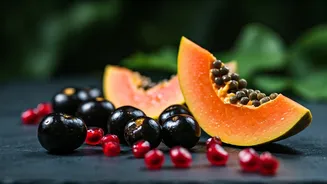
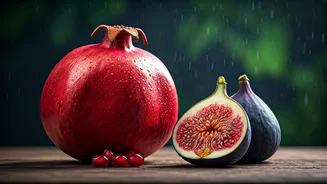
Often called a 'superfood,' pomegranate earns the title. Those beautiful, ruby-red seeds (called arils) are packed with some of the most powerful antioxidants found in nature, particularly punicalagins and anthocyanins. These compounds are exceptional
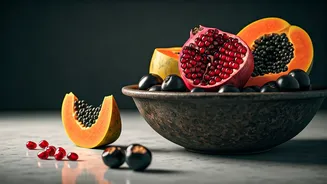
at fighting inflammation and protecting your cells from oxidative stress, a process linked to aging and chronic disease. Studies suggest that the potent antioxidant activity in pomegranates may support heart health by improving cholesterol profiles and blood pressure.But the benefits don't stop there. Pomegranates are also a great source of fiber, which is crucial for digestive health, as well as vitamin C, vitamin K, and potassium. The main challenge? Getting those delicious arils out without staining your entire kitchen red. Pro tip: Cut the pomegranate in half horizontally, hold it cut-side down over a bowl, and firmly tap the back with a wooden spoon. The arils should fall right out, leaving the bitter white membrane behind.
Papaya: The Digestive Dynamo
With its vibrant orange flesh and sweet, musky flavor, papaya feels like a tropical vacation in a fruit. Its most celebrated component is papain, a powerful digestive enzyme that helps break down proteins. This is why you'll often see papain used in meat tenderizers, and it's what makes papaya so good for supporting digestion and reducing symptoms like bloating and indigestion. If you're looking for a natural way to keep your gut happy, papaya is an excellent choice.Beyond digestion, papaya is a vitamin powerhouse. A single serving can provide more than 100% of your daily recommended intake of vitamin C, an essential nutrient for immune function and skin health. It's also rich in vitamin A and antioxidants like lycopene and beta-carotene, which are important for eye health and protecting your body from cellular damage. For the best experience, choose a papaya that is mostly yellow and yields slightly to pressure. Enjoy it on its own, in smoothies, or in a savory salad with a squeeze of lime to brighten its flavor.
Jamun: The Intriguing Newcomer
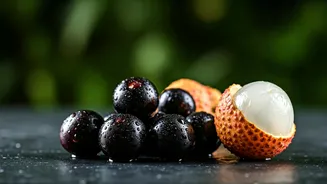
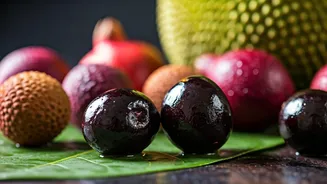
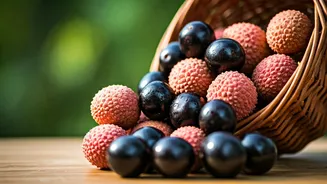
While pomegranate and papaya are familiar faces in many U.S. grocery stores, jamun (also known as Java plum or black plum) is a rising star worth seeking out. This small, dark purple fruit, native to South Asia, has a unique flavor profile: a mix of sweet, mildly sour, and astringent. It's this astringency that hints at its powerful nutritional makeup.Traditionally used in Ayurvedic medicine for centuries, jamun is now being studied by modern science for its potential health benefits, particularly related to blood sugar management. The fruit contains compounds like jamboline and jambosine, which some research suggests may help slow the rate at which sugar is released into the bloodstream. It's also loaded with antioxidants, potassium, and vitamin C. Fresh jamun can be hard to find in the U.S., but it's often available frozen, as a juice, or in powdered form at Indian grocery stores or online. It's a fantastic, nutrient-dense ingredient to add to smoothies or yogurt bowls for a nutritional boost you won't get from your everyday berries.