
Sarson da Saag with Makki di Roti
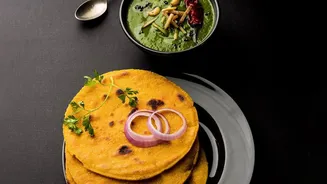
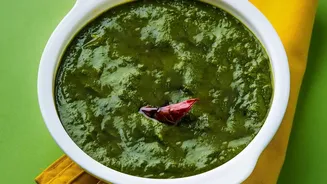
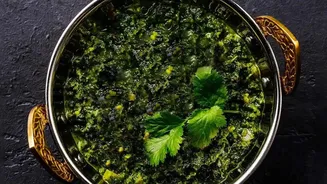
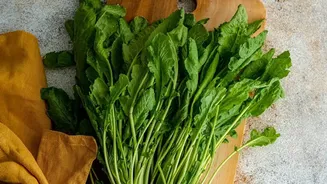
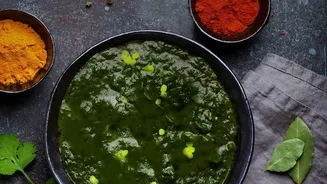
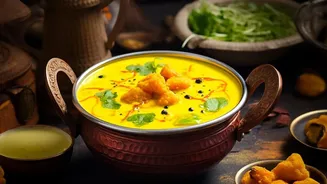
This is arguably the most iconic winter meal from the fields of Punjab. Sarson da Saag is a hearty, flavourful dish made from mustard greens (sarson), often blended with other leafy greens like spinach or bathua (pigweed) for a more complex flavour and
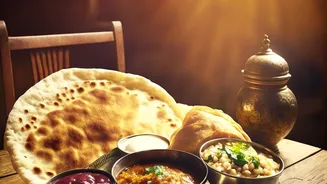
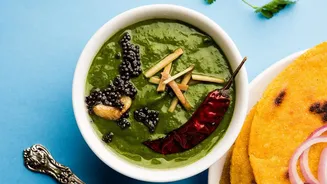
creamier texture. The greens are slow-cooked for hours with ginger, garlic, and green chillies until they become a luscious, deep green purée. The dish is traditionally a celebration of the winter harvest, as mustard is a winter crop. Its history is rooted in the rural, agricultural lifestyle, providing a nutritious and sustaining meal for farmers. It is almost always served with Makki di Roti, a rustic flatbread made from maize flour, another winter grain. The meal is incomplete without a generous dollop of white butter or desi ghee, which not only enhances the flavour but also adds the necessary warmth and healthy fats to combat the cold.
Gajar ka Halwa
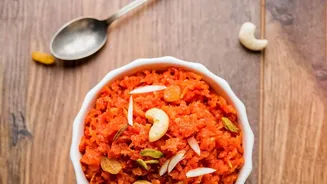
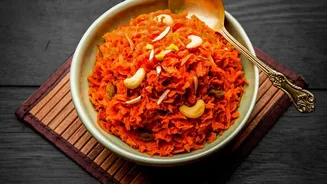
No North Indian winter is complete without the aroma of Gajar ka Halwa simmering on the stove. This beloved dessert is a rich pudding made from grated carrots, milk, sugar, and a generous amount of ghee. The magic of this dish lies in its seasonality; it is specifically made with the red 'Delhi carrots' that are available only during the winter. These carrots are juicier and sweeter, giving the halwa its signature colour and taste without needing excessive sugar. The process is one of patience, involving slow-cooking the carrots in milk until all the liquid has evaporated, then roasting the mixture in ghee before adding sugar and flavouring it with cardamom. Garnished with nuts like almonds and pistachios, it is the ultimate winter comfort food. Beyond its taste, the halwa is nourishing, with carrots providing vitamins, and milk and ghee offering warmth and energy.
Panjiri
More of a nutritional supplement than a dessert, Panjiri is a powerhouse of energy and warmth, traditionally prepared in large batches to last through the winter. It consists of whole wheat flour roasted in ghee and mixed with a large quantity of nuts, seeds, and edible gum (gond). Spices like dried ginger powder (sonth) and cardamom are often added for their warming properties and flavour. Panjiri is known to generate heat in the body, making it an ideal food for cold weather. It is also believed to boost immunity, soothe sore muscles, and relieve the aches and stiffness associated with winter. While it's famously given to new mothers to aid postpartum recovery, it is a winter staple for people of all ages, offering a burst of energy and protection against seasonal ailments like colds and coughs.
Gond ke Laddu
Gond ke Laddu are delicious, wholesome sweet balls made specifically for the winter months. The star ingredient is 'gond', or edible gum, which is derived from the sap of the acacia tree. In Ayurveda, gond is known for its 'heaty' or warming properties, which is why these laddus are a winter specialty. To make them, crystals of gond are fried in ghee until they puff up, then mixed with roasted wheat flour, powdered sugar or jaggery, and a rich assortment of nuts and seeds like almonds, cashews, and melon seeds. These energy-dense spheres are not just treats; they are considered a superfood that helps in boosting immunity, strengthening bones, and lubricating joints during the dry, cold season. Traditionally given to new mothers for recovery and strength, they serve as a perfect, nutrient-packed snack for anyone needing to stay warm and active through the winter.