



The Great Disappearance
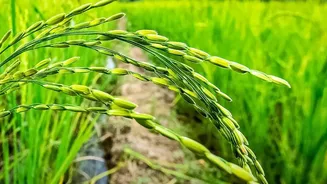
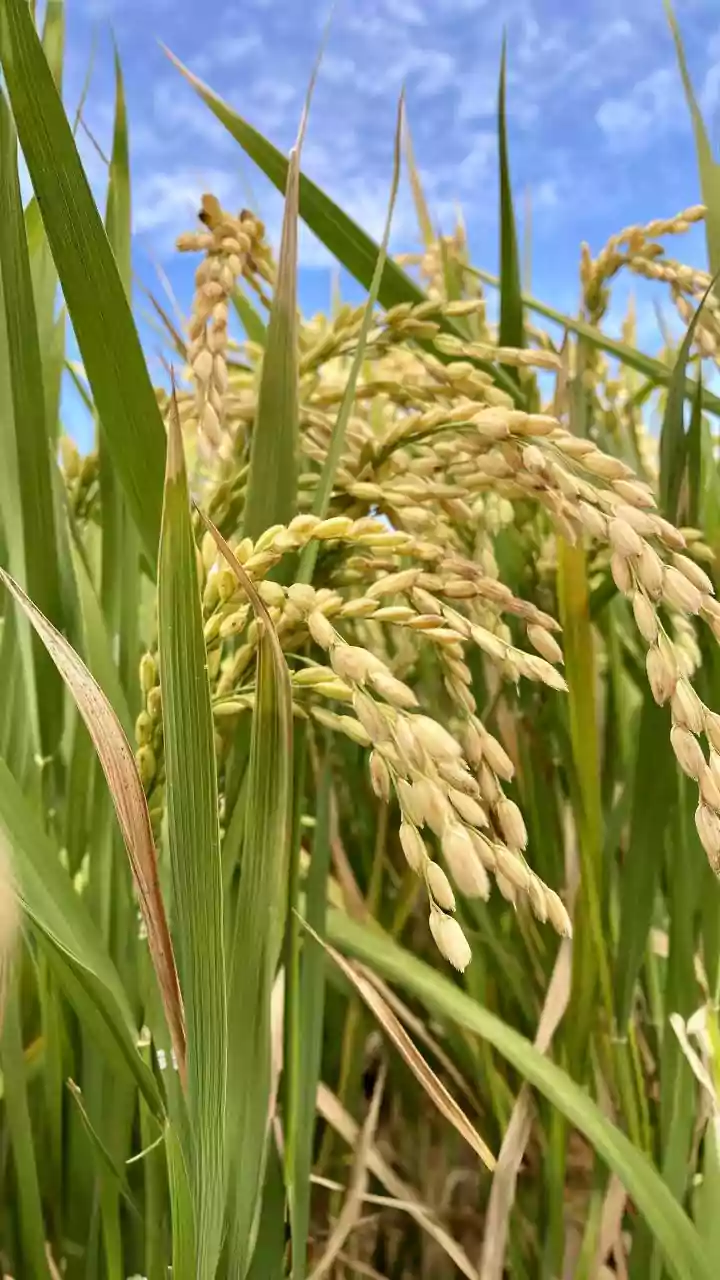
For centuries, India was home to an astonishing diversity of rice, with estimates suggesting over 100,000 unique varieties once grew across the country. Each was perfectly adapted to its local climate, soil, and culinary traditions. The Green Revolution
of the 1960s, while successful in averting famine by boosting food production, came at a cost. It prioritised a handful of high-yield hybrid varieties that required chemical fertilisers and pesticides. As a result, thousands of indigenous landraces were pushed to the brink of extinction, replaced by uniform, commercially viable grains. By the 2000s, it's believed only around 6,000 of these varieties survived, many locked away in seed banks rather than growing in fields. This led not only to a loss of flavour and aroma but also a decline in nutritional diversity and agricultural resilience.
A Comeback on Many Fronts
Today, a growing movement is working to reverse this trend. The comeback of heritage rice is being driven not by one group, but by a powerful alliance of farmers, conservationists, chefs, and health-conscious consumers. NGOs like Thanal in Kerala and CREATE in Tamil Nadu have been running campaigns for years, reintroducing native seeds to farmers. They are joined by passionate individuals like Padma Shri awardee Sathyanarayana Beleri of Karnataka, who has personally conserved over 650 seed varieties and distributed them to hundreds of farmers. State governments are also stepping in; Tamil Nadu’s State Heritage Rice Mission, for instance, actively promotes the cultivation of native varieties like Mappillai Samba and Karuppu Kavuni. This push from the fields is met by rising demand from urban kitchens and innovative restaurants, where chefs are rediscovering the unique culinary potential of these grains.
A Taste of India's Terroir
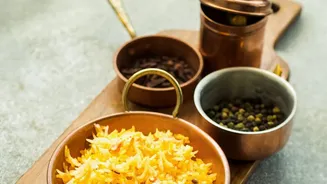
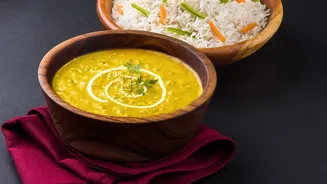
What makes these varieties so special is their incredible diversity in taste, texture, and aroma. In West Bengal, the GI-tagged Gobindobhog is a short, aromatic grain with a sweet, buttery flavour perfect for kheer and bhog. Its fragrance is so legendary that another Bengali variety is called Radhuni Pagol, meaning “the cook gone crazy,” from lore about a cook who was overwhelmed by its beautiful scent. From Tamil Nadu comes Karuppu Kavuni, a striking black rice once reserved for royalty and now celebrated for its high antioxidant content and nutty flavour. Further north, in Uttar Pradesh, Kalanamak or 'Buddha Rice' is a fragrant variety with high levels of iron and zinc. In Kerala, the bold, red Matta rice offers an earthy flavour and firm texture that pairs beautifully with local curries. Each grain tells a story of its region, offering a taste experience that mass-produced rice simply cannot match.
More Than Just Nostalgia
The revival of heritage rice is about much more than sentimentality; it holds practical solutions for modern problems. From a health perspective, many traditional varieties are nutritional powerhouses. Unlike polished white rice, they are often richer in fibre, minerals, and antioxidants. Pigmented grains like red and black rice contain anthocyanins, compounds known for their anti-inflammatory properties. Many also have a lower glycemic index, making them a better choice for managing blood sugar levels. Environmentally, these landraces are invaluable. Having evolved over centuries, they are naturally resilient to local pests and climate stress like droughts and floods. For example, Pokkali rice from Kerala is famously tolerant of saltwater-logged fields, a trait that is crucial as climate change brings rising sea levels. By cultivating these varieties, farmers can reduce their reliance on chemical inputs and build a more sustainable agricultural future.