




From Scraps to Soil Superfood
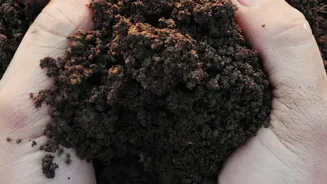
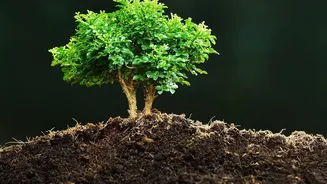
Composting is nature’s recycling program. It’s the process of breaking down organic materials—like your kitchen scraps—into a rich, dark, earthy-smelling substance called compost. This 'black gold' is a powerhouse for your garden. It enriches the soil
with essential nutrients, improves its texture and ability to hold water, and encourages the growth of beneficial microorganisms. By composting, you not only reduce the waste going to landfills by up to 30% but also create a free, all-natural fertilizer that helps your plants, whether in pots on a balcony or in a garden bed, grow stronger and healthier.
The Crucial 'Greens' and 'Browns' Balance
The secret to successful, odour-free composting lies in balancing two types of materials: 'greens' and 'browns'. 'Greens' are nitrogen-rich materials like your fresh kitchen waste—vegetable peels, fruit scraps, coffee grounds, and tea leaves. 'Browns' are carbon-rich materials, which are typically dry. Think dried leaves, shredded newspaper, cardboard, and cocopeat (coconut coir). A common problem that leads to smelly, slimy compost is too many 'greens'. To avoid this, a good rule of thumb is to add one part 'brown' material for every three parts of 'green' waste. This ratio provides the right environment for microbes to work efficiently without producing foul odours.
Choosing Your Composting Method
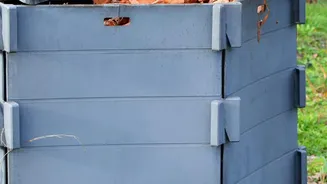
You don’t need a large backyard to compost in India. Many methods are perfectly suited for apartments and small spaces. A simple starting point is a plastic bucket or a terracotta pot with holes drilled in the sides and bottom for aeration. You can also purchase multi-tiered terracotta composters, often called 'kambhas', which are designed for rotational composting in a compact stack. For those willing to handle worms, vermicomposting uses earthworms to break down waste even faster, producing highly nutrient-rich compost. Whichever method you choose, ensure it has good drainage and a lid to keep pests out and moisture in.
What Goes In and What Stays Out
Most of your daily kitchen waste is perfect for composting. This includes all vegetable and fruit peels, crushed eggshells, and used tea leaves or coffee grounds. However, some items should be avoided to prevent attracting pests and creating bad smells. Steer clear of meat, fish, bones, dairy products, and any oily or heavily spiced foods. While small amounts of plain cooked rice or dal are generally okay, large quantities can create a dense, sludgy mess. Always chop larger scraps like mango peels or cabbage cores into smaller pieces to help them break down faster.
Managing Your Pile to Avoid Pests and Odour
Directly addressing the 'clutter' problem requires active management. The key is to never leave fresh kitchen waste exposed on top. Every time you add a layer of 'greens' (your kitchen scraps), always cover it with a layer of 'browns' (like dry leaves or cocopeat). This simple step is the most effective way to prevent odours and discourage fruit flies. Turn or mix your compost pile with a small rake or stick once a week to introduce oxygen, which is vital for the decomposition process and prevents smelly anaerobic conditions. Your compost should be moist like a wrung-out sponge, not soggy or dry. If it's too wet, add more 'browns'; if it's too dry, sprinkle a little water.
Harvesting and Using Your 'Black Gold'
Patience is part of the process. Depending on the conditions, your compost can be ready in as little as one to two months, especially in India’s warmer climate. You'll know it's ready when it is dark brown, has a crumbly texture similar to soil, and smells earthy and pleasant. To use it, you can spread a one-inch layer on top of the soil in your pots as a top dressing, or mix it into your potting soil at a ratio of about 30% compost when preparing new pots. This finished compost will provide a slow-release source of nutrients, making your plants more resilient and vibrant.