





The Legend of the NASA Study
The belief that houseplants can scrub the air clean has its roots in a landmark 1989 NASA study. Researchers, looking for ways to purify the air in sealed space stations, placed common houseplants in small, enclosed chambers and pumped in harmful volatile
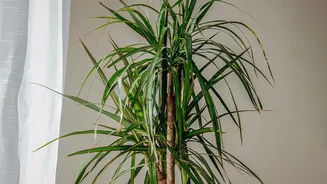
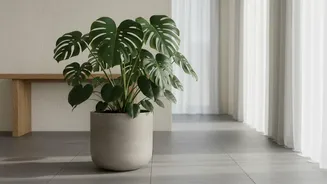
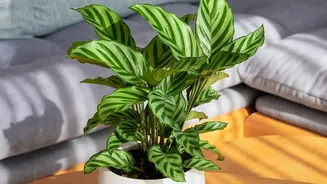
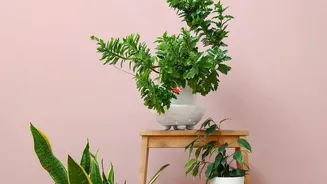
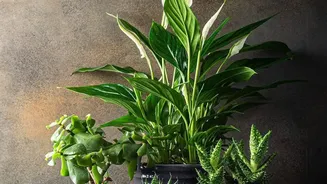
organic compounds (VOCs) like benzene and formaldehyde. The results were impressive: some plants were able to remove a significant percentage of these pollutants from the sealed environment. This study, known as the NASA Clean Air Study, became the foundation for the widespread belief that filling our homes with plants like spider plants, peace lilies, and snake plants would create a personal bubble of fresh, clean air.
A Modern Reality Check
For years, the NASA findings went largely unchallenged. However, a more recent wave of scientific reviews has questioned these conclusions, not because the original data was wrong, but because of its application to real-world environments. A comprehensive review published in the Journal of Exposure Science and Environmental Epidemiology re-examined 30 years of research. The scientists pointed out a critical flaw in applying the NASA findings to our homes: the original tests were done in small, sealed chambers, which bear little resemblance to a typical room with doors, windows, and natural ventilation. In a normal home, the rate of air exchange from simply opening a window or from normal ventilation systems far outpaces a plant's ability to slowly filter out pollutants.
The Numbers Are Staggering
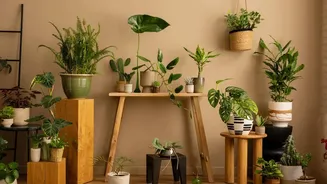
So, how many plants would it actually take to make a difference? The science suggests an almost comical number. According to the review, you would need to place between 10 and 1,000 plants per square metre of floor space to achieve the same air-cleaning rate as a building's standard ventilation system. To put that in perspective, for an average 500-square-foot apartment, you would need a dense forest of around 5,000 plants to significantly impact air quality. The consensus among environmental engineers today is that, while plants do technically remove VOCs, the rate is so slow in a normal, ventilated space that their effect on air quality is practically negligible.
Don't Ditch Your Plants Yet
This might sound like bad news for plant parents, but it's far from it. While houseplants may not be the air-purifying powerhouses we thought they were, their benefits are still immense and scientifically supported. Numerous studies show that the presence of indoor plants has a profound positive impact on our mental health. Interacting with plants—even just being in a room with them—can reduce stress, lower blood pressure, and suppress the body's physiological stress responses. Caring for a living thing provides a sense of purpose and accomplishment, and the simple act of tending to them can be a form of mindfulness that reduces anxiety and improves focus.
What Actually Works for Clean Air
If you are genuinely concerned about indoor air quality, especially in Indian cities where outdoor pollution can be a major issue, the most effective strategies are straightforward. The first and most important is ventilation. Regularly opening windows to allow for air exchange is more effective at reducing indoor pollutants than a room full of plants. The second is investing in a high-quality air purifier with a HEPA filter. These devices are specifically engineered to capture fine particulate matter, dust, pollen, and other airborne contaminants far more efficiently than any plant can. Your houseplants can coexist beautifully with these methods, but they should be seen as a boost for your well-being, not as a primary tool for air purification.