
The Science of Superior Flavour
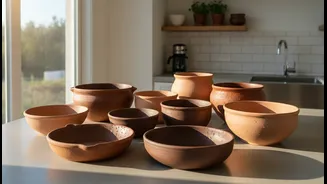
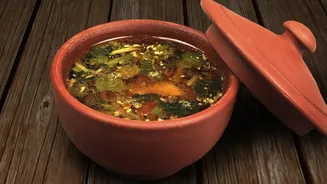
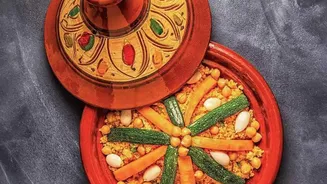
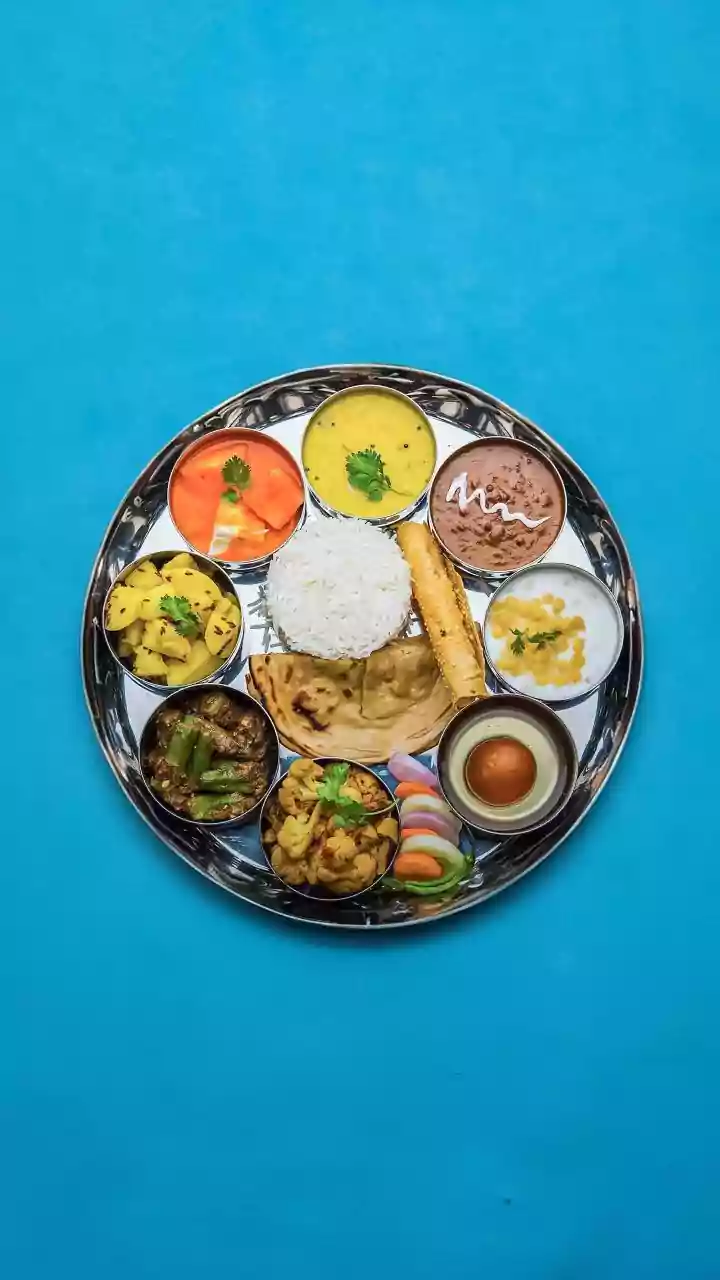
Anyone who has eaten dal cooked in a handi or biryani from a sealed clay pot knows the difference in taste. This isn't imagination; it's science at work. Clay is naturally porous, a quality that allows heat and moisture to circulate evenly throughout
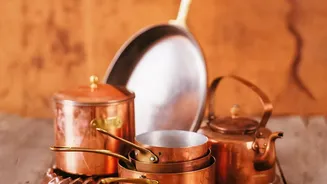
the pot. Unlike metal pans that heat up quickly and can create hot spots, earthenware heats slowly and distributes warmth gently. This slow-cooking process allows spices to bloom gradually and flavours to meld deeply, creating a more aromatic and nuanced dish. The porous walls retain moisture that would otherwise escape as steam, meaning food cooks in its own juices, resulting in tender, succulent textures without needing excessive oil.
A Healthier Way to Prepare Meals
The health benefits of earthenware are a major driver of its revival. Firstly, cooking in pure, unglazed clay pots is free from the chemicals like PFOA and PTFE that can be found in some non-stick coatings. Clay is also naturally alkaline. This property helps to neutralize the pH balance of acidic ingredients like tomatoes, making food easier to digest and gentler on the stomach. The slow-cooking process at lower, consistent temperatures helps preserve delicate nutrients that can be destroyed by high heat. Furthermore, because clay pots retain moisture so well, the need for cooking oil is significantly reduced, making meals lighter and lower in fat.
Connecting with Culture and Sustainability
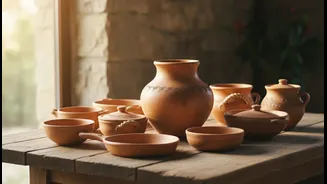
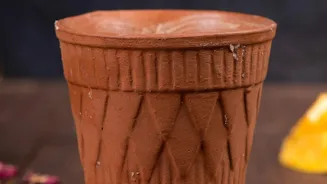
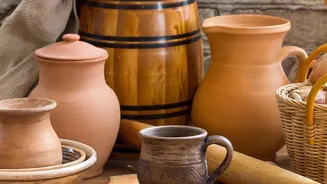
Using earthenware is about more than just food; it’s a link to culinary heritage. For centuries, pots like the matka and handi have been central to Indian kitchens, used for everything from storing water to preparing elaborate meals. Opting for clay cookware often means supporting local artisans who have passed down their craft through generations, preserving a vital part of our culture. Beyond tradition, earthenware is an environmentally friendly choice. Made from the earth, these pots are biodegradable and their production involves a smaller carbon footprint compared to the industrial manufacturing of metal cookware. They are a sustainable option for a kitchen looking to reduce its environmental impact.
The Modern Earthenware Experience
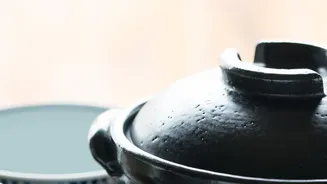
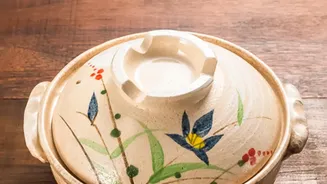
Embracing earthenware today doesn't mean abandoning modern convenience entirely. The market now offers a wide variety of clay cookware designed for contemporary use, from stovetop-safe handis to oven-safe bakers. While they require a bit more care—such as seasoning before first use and avoiding sudden temperature changes to prevent cracking—the payoff is significant. Many home cooks and even professional chefs are integrating these traditional tools back into their routines, not as a replacement for all cookware, but as a specialist piece for dishes that benefit most from slow, gentle cooking. From a simple, flavourful dal to a complex, fall-off-the-bone meat curry, the results speak for themselves, proving that ancient wisdom still has a valuable place in the modern kitchen.