



The River That Birthed an Industry
Long before the first industrial mills, the destiny of Coimbatore was intertwined with the Noyyal River. The region's rich black soil, perfect for growing cotton, was sustained by the river's ecosystem. This natural advantage made the area a centre for cotton cultivation
for centuries. Historical records show that even ancient Rome imported fine cotton textiles that originated from this region, transported along trade routes that pivoted through Coimbatore. The river was the lifeline, providing the essential water for cultivating the raw material that would one day fuel a revolution in manufacturing.
The Dawn of the Mills
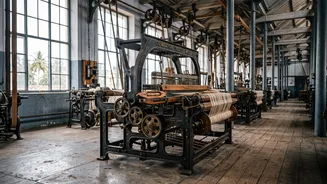
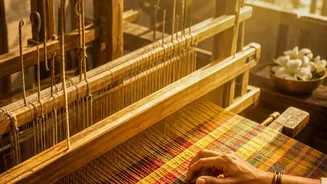
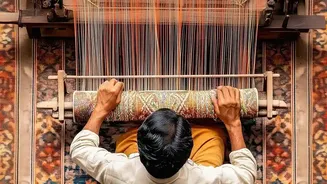
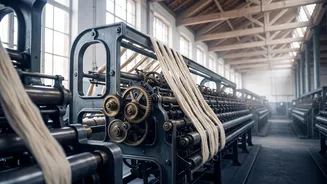
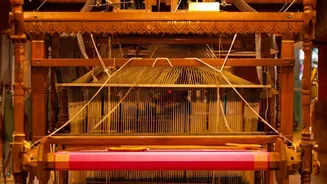
The industrial chapter began in the late 19th century with the arrival of entrepreneurs like Sir Robert Stanes. He established the Coimbatore Spinning and Weaving Mills in 1888, often called Stanes Mill, which marked the city's entry into the industrial age. Following this, a wave of Indian-owned mills like Kaleeswarar Mills and Lakshmi Mills were founded in the early 1900s. The availability of hydroelectric power from the nearby Pykara project in 1932 gave this boom another major push, allowing mills to import and run advanced machinery. By the mid-20th century, Coimbatore was a powerhouse, with dozens of mills employing tens of thousands of workers and producing everything from fine yarn to dhoties and towels.
A Complicated Legacy of Prosperity and Pollution
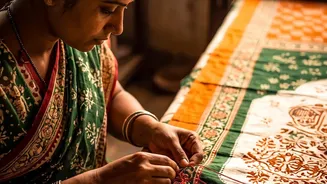
The textile industry brought immense prosperity and shaped the city's identity. It wasn't just about economics; it created a social fabric, with mill workers forming a new urban class. However, this progress came at a severe environmental cost. The same Noyyal River that nurtured the cotton fields became a dumping ground for industrial effluents from dyeing and bleaching units. For decades, untreated chemical waste, including dyes and heavy metals, flowed directly into the river, transforming this lifeline into one of the region's most polluted waterways. Studies have shown a devastating impact on aquatic life, groundwater, and the health of communities living along its banks.
The Fading Giants
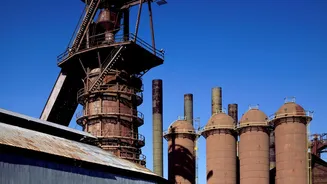
As the decades passed, many of the original, towering mills that once dominated Coimbatore's skyline fell silent. A combination of factors, including power crises, labour issues, and shifts in the global textile market, led to the closure of many iconic establishments from the 1980s onwards. Today, the names of these famous mills—like Lakshmi, Stanes, and Cambodia—often survive only as landmarks or bus stops, their grand structures standing as silent monuments to a bygone era. While the broader textile industry in the region has adapted, with over 25,000 small to large units still in operation, the original industrial heritage sites face an uncertain future.
Preserving the Past, Restoring the Future
In recent years, there has been a growing recognition of the need to preserve Coimbatore's industrial heritage. While industrial heritage is not a widely protected category in India, local efforts have emerged. Organisations like the Indian National Trust for Art and Cultural Heritage (INTACH) have been involved in restoring some of the city's historic buildings. Simultaneously, there is a push to revive the Noyyal River. Environmental groups and government initiatives have proposed and started projects aimed at cleaning its streams and restoring the river basin, hoping to undo decades of damage. These efforts represent a crucial attempt to honour the city's history while building a more sustainable future.