

From Heirloom to High Fashion
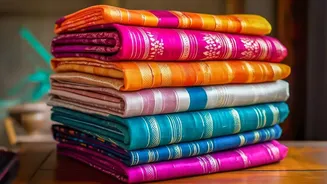
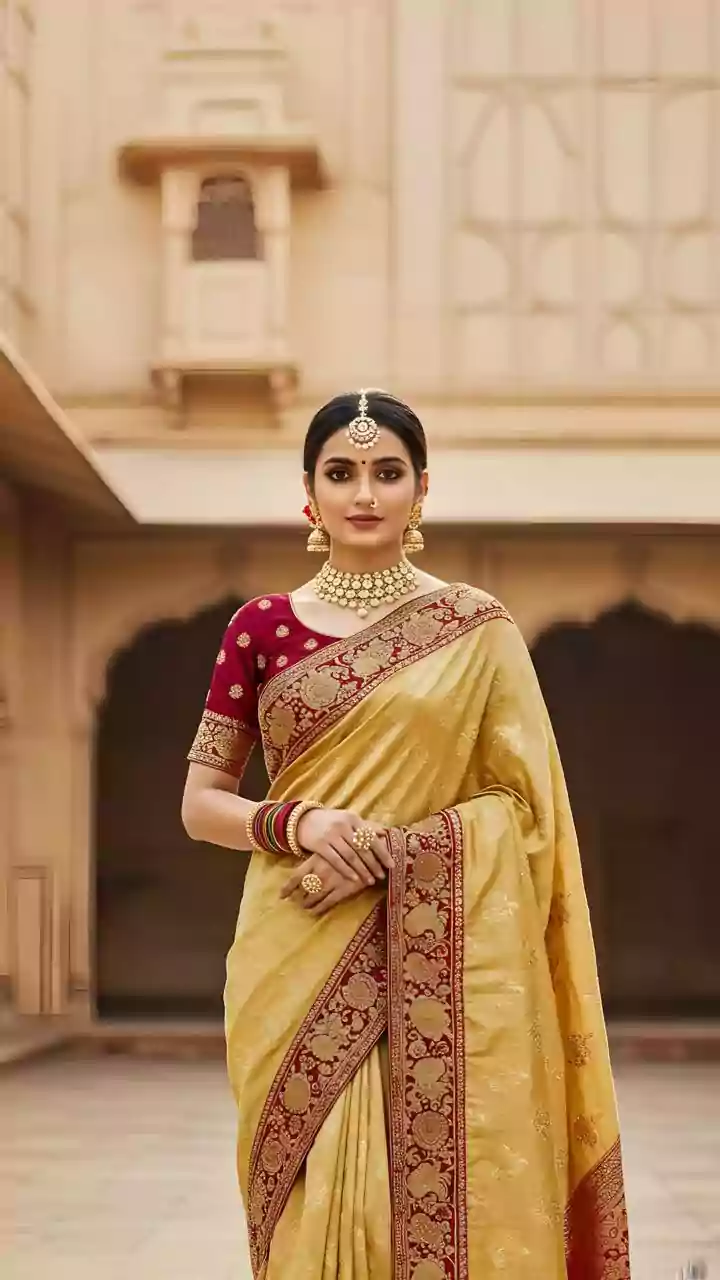
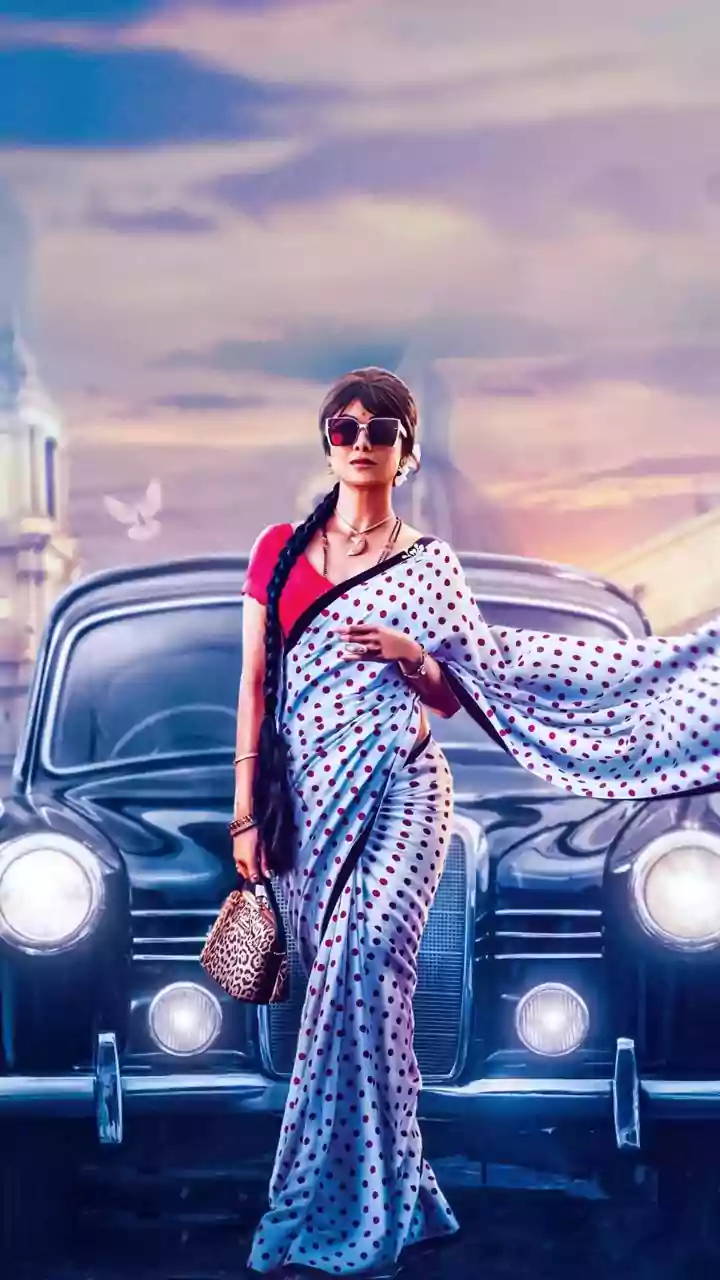
The trend sees young, style-conscious individuals looking into their mothers' and grandmothers' closets for inspiration and raw materials. That old Banarasi or Kanjeevaram saree, once reserved for momentous occasions, is now finding a second life. While
the headline mentions drapes, the reality is even more personal; it's often cherished family sarees that are being repurposed. This practice honours the emotional weight and cultural narrative woven into these fabrics, transforming them from static heirlooms into wearable stories. The movement is less about discarding the old and more about reimagining its place in the contemporary world.
The Allure of Individuality
In a world dominated by fast fashion, the appeal of a one-of-a-kind outfit is undeniable. Upcycling a vintage saree ensures that the resulting garment is entirely unique. No two pieces will ever be identical, as each creation depends on the original saree's specific weave, border, and 'pallu' design. This desire for individuality is a core driver for Gen Z, who are increasingly seeking fashion that expresses personal identity rather than conforming to mass-produced trends. The result is a festive wardrobe that feels personal, rooted, and conversation-starting.
A Statement on Sustainability
Beyond aesthetics, this trend is deeply rooted in a growing consciousness around sustainability. Upcycling is an age-old Indian tradition born from resourcefulness, where worn textiles were given new purpose as quilts or children's clothes. Today's youth are applying this inherited wisdom to combat the textile waste of the modern fashion industry. By giving new life to existing fabrics, they are making a powerful environmental statement, choosing circular fashion over disposable trends. This approach not only reduces waste but also celebrates the longevity and durability of high-quality, handwoven textiles.
Anatomy of a Modern Co-ord
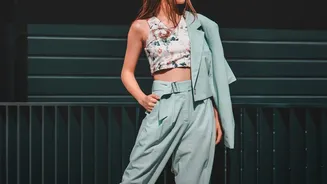
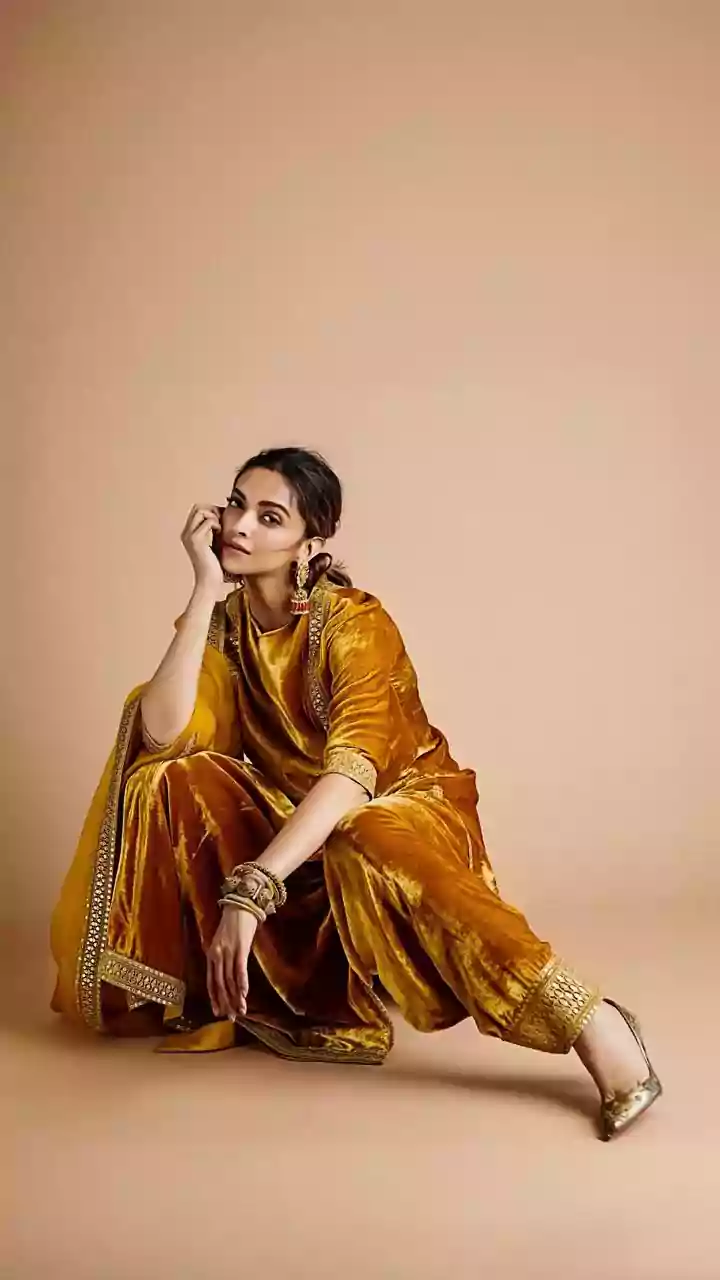
So, what do these transformed outfits look like? The six-yard saree offers ample fabric for a variety of modern silhouettes. The most popular iteration is the co-ord set—a coordinated two-piece outfit. This could be a pair of high-waisted palazzo pants with a matching crop top, a short peplum top paired with a skirt, or even a structured jacket worn over tailored trousers, all cut from the same saree. The ornate borders and 'pallu' of the original saree are often cleverly repurposed as design features, appearing on necklines, cuffs, or hemlines to add a touch of traditional elegance to the modern cut.
The Digital Runway and Local Artisans
This movement is flourishing online, with Instagram and Pinterest serving as digital runways. Young creators share their custom-made outfits, often with a backstory about the saree's origin, inspiring a community of like-minded fashion lovers. However, the trend is powered by a crucial offline element: the local tailor, or 'darzi'. These skilled artisans are the collaborators who help bring these creative visions to life. The process is a partnership, blending the owner's modern sensibilities with the tailor's expertise in cutting and construction, resulting in a garment that is both professionally finished and deeply personal.