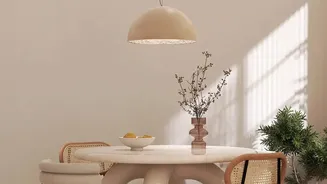


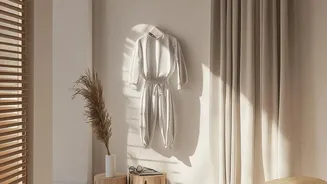
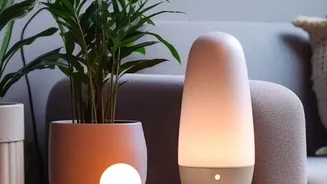
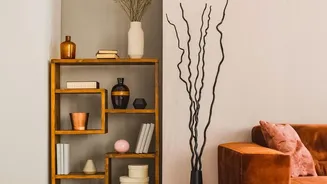
Every home has one: that awkward, empty corner that collects dust and defies decoration. But a growing trend is turning these neglected spaces into focal points, using light not just for illumination, but as a piece of sculptural art.
From Function to Art Form
For years, lighting
was treated as a purely functional element, with the primary goal being to brighten a room. Today, that thinking has shifted. Homeowners and designers are increasingly viewing lamps as standalone objects that should look beautiful even when switched off. This has given rise to the popularity of sculptural lighting, where the form, material, and overall design of the lamp are just as important as the light it casts. A statement lamp in a forgotten corner can transform it from an afterthought into a deliberate design moment, adding personality and visual interest. It’s a simple trick that interior designers have used for years: a well-placed lamp gives a corner a purpose and makes a room feel more complete and layered.
The Power of a Well-Lit Corner
An unlit corner can make a room feel smaller and unfinished, especially in the evening when overhead lights fail to reach the edges of the space. Placing a floor or table lamp in a corner instantly draws the eye, adds vertical height, and creates a sense of depth through a gentle interplay of light and shadow. This strategy works particularly well beside a sofa or a reading chair, creating a cosy, inviting nook. The goal isn’t to fill every empty space, but to identify the corners that feel accidental and give them a sense of intention and warmth. Lighting a corner doesn't just fill it; it anchors it, making the entire room feel more balanced and thoughtfully designed.
Finding Your Sculptural Shape
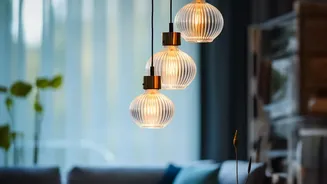
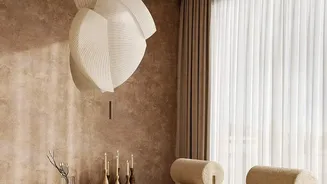
The term 'sculptural' covers a wide range of styles, meaning there’s an option for almost any interior aesthetic. Oversized drum shades, tall and slender cylinders, and asymmetric or slanted shades are all trending, adding an architectural element to a room. Organic and fluid forms—think curved, wavy, or biomorphic shapes—are also gaining popularity, offering a soft contrast to the straight lines of modern furniture. For those with a taste for drama, lampshades with 3D-printed wave patterns or metallic cutouts can cast intricate shadows on the walls, turning the light itself into a form of art. The key is to choose a shape that acts as a focal point without overwhelming the space.
Material, Mood, and a Touch of Warmth
The material of the lampshade is crucial in defining the mood. Natural fibres like jute, linen, rattan, and paper are hugely popular, bringing texture and a sense of calm. These semi-translucent materials diffuse the light, creating a soft, ambient glow that is warm and inviting. In contrast, opaque shades direct light upwards and downwards, creating focused pools of light ideal for task-oriented corners like a reading spot. Stone bases, particularly travertine and marble, signal a 'quiet luxury' feel, while warm metals like brushed brass have replaced cooler chrome finishes. Regardless of the material, the consensus is clear: opt for a warm white bulb (around 2700K) to create a cosy, flattering light that makes a space feel like home.
Putting It All Together
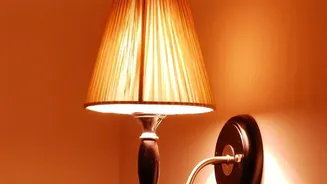
Before you buy, consider the scale of your corner. A tiny lamp will get lost in a large room, while an oversized fixture can crowd a small space. A tall floor lamp is often the easiest solution, as it adds height and presence without needing any furniture to sit on. If you have a small side table or console, a sculptural table lamp can serve as the perfect anchor piece. Don't be afraid to mix and match; the old rule that all your fixtures must be identical is gone. A modern lamp base can look fantastic with a more traditional pleated shade, for example. The most important thing is to ensure the final setup doesn't block foot traffic or make the corner feel cluttered. The goal is a clean, balanced look that is both beautiful and functional.