





The Rise of the Mountain Workation
The conversation around work-life balance in India has fundamentally changed. After years of adapting to remote and hybrid models, companies now recognize that employee well-being is directly linked to productivity and retention. This has sparked a strategic
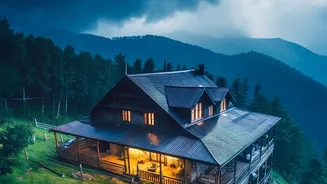
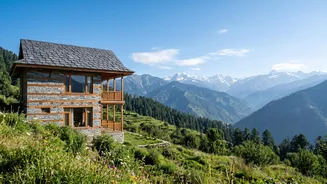
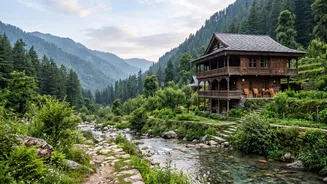
shift away from one-day office parties toward immersive corporate offsites that build genuine connection. Enter the Himalayan workation, a trend that's rapidly gaining momentum. Instead of a conference room, teams are gathering in cafes overlooking lush valleys in Himachal Pradesh. The goal is no longer just short-term entertainment but fostering creativity, strengthening collaboration, and offering a real antidote to urban burnout. Destinations like Naggar and Jibhi are emerging as epicenters of this movement, offering more than just a pretty backdrop for Zoom calls.
Autumn's Allure in Naggar and Jibhi
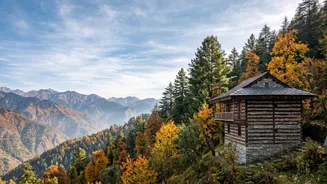
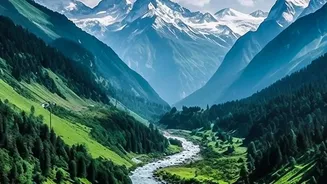
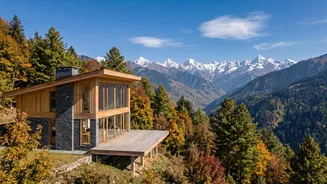
While these Himachali towns are beautiful year-round, autumn holds a special appeal. From late September to November, the monsoon rains recede, leaving behind crisp, clean air and brilliant blue skies. This period offers some of the clearest mountain views of the year, perfect for inspiring deep work and strategic thinking. The weather is pleasantly cool, with daytime temperatures ideal for walks and outdoor activities. As the season progresses, the landscape transforms with golden and orange hues, creating a picturesque setting that is a photographer's dream. Crucially, the peak tourist season of summer has passed, meaning fewer crowds and a more peaceful environment conducive to focus and team bonding.
More Than a Desk with a View
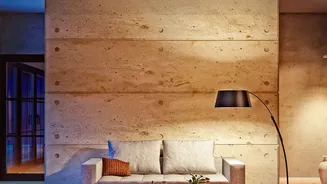
So, what makes a co-living hub different from just renting a hotel? The answer lies in the infrastructure and community. These spaces are specifically designed for remote professionals, combining the comforts of home with the functionality of an office. This means reliable high-speed internet, power backup, and ergonomic workstations—essentials that can't be taken for granted in the mountains. But the real magic is the 'living' part. Shared spaces like communal kitchens, lounges, and bonfire areas foster a sense of community. They break down formal hierarchies, allowing colleagues to connect on a personal level. Logistics are handled for you, with many hubs offering all-inclusive packages with meals and housekeeping, freeing up mental space for teams to focus on their work and each other.
The Business Case for a Change of Scenery
Swapping a corporate park for a quiet valley isn't an indulgence; it's a strategic investment. A change of environment is proven to break creative blocks and boost problem-solving. Conversations that get stuck in endless email chains often find resolution during a simple evening walk by the river. For remote or hybrid teams, these offsites are critical for building the personal rapport that virtual collaboration often lacks. Furthermore, these trips are a powerful tool for employee well-being, significantly reducing stress and renewing motivation. In a competitive job market, offering unique experiences like a mountain workation can be a key differentiator in attracting and retaining top talent. It signals a company culture that genuinely values work-life balance.
An Affordable and Impactful Alternative
When compared to a traditional corporate offsite at a luxury hotel in a major city, mountain co-living is surprisingly cost-effective. The all-inclusive pricing models of many hubs simplify budgeting. For what a company might spend on a high-end hotel room in a metro, a team member can get a month of accommodation, meals, and a dedicated workspace in Jibhi or Naggar. This makes longer, more impactful retreats accessible even to smaller companies and startups. These extended stays allow teams to settle into a rhythm of deep work and collaborative sessions, yielding far greater returns than a fleeting two-day event. It’s a shift from a short-term celebration to a long-term investment in team culture and productivity.