
Understanding the Two Types of Iron
Iron is a vital mineral that helps transport oxygen throughout your body, but not all dietary iron is created equal. It comes in two primary forms: heme and non-heme. Heme iron is found in animal products like meat, poultry, and fish. Our bodies find
this type easy to absorb, with absorption rates typically ranging from 15% to 35%. Non-heme iron, on the other hand, is found in plant-based foods such as leafy greens, lentils, beans, nuts, and seeds. While abundant, this type of iron is significantly trickier for our bodies to use, with a much lower absorption rate of about 2% to 20%. For anyone following a vegetarian or plant-forward diet, understanding how to maximize non-heme iron absorption is key to preventing deficiency.
The Plant-Based Iron Challenge
So, why is non-heme iron so much harder to absorb? The main reason is its chemical structure and the presence of other natural compounds in plant foods. Many plants contain substances called inhibitors that bind to iron and block it from being absorbed in your gut. The most common inhibitors include phytates, which are found in whole grains, legumes, and nuts, and polyphenols, potent compounds present in tea and coffee. In fact, a single cup of coffee or tea with a meal can reduce iron absorption by a staggering 60% to 90%. Even calcium, a crucial mineral found in dairy products, can interfere with the absorption of both heme and non-heme iron. This means that even if a meal is rich in non-heme iron, these inhibitors can prevent your body from accessing a large portion of it.
How Vitamin C Comes to the Rescue
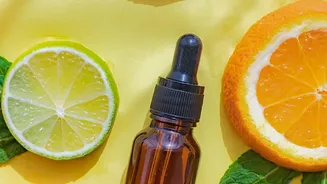
This is where the magic of Vitamin C, also known as ascorbic acid, comes into play. Vitamin C is arguably the most powerful enhancer of non-heme iron absorption known to nutrition science. It works through a clever two-step process. First, it chemically converts non-heme iron from its hard-to-absorb ferric (Fe3+) state into the much more bioavailable ferrous (Fe2+) state. This is the specific form of iron that the cells in our intestines are designed to transport. Secondly, Vitamin C forms a protective, soluble compound with the iron. This prevents the iron from binding with inhibitors like phytates and keeps it available for your body to absorb as it moves through your digestive system. The effect is significant; studies have shown that adding Vitamin C to a meal can increase non-heme iron absorption several times over.
Building the Perfect Pairings on Your Plate
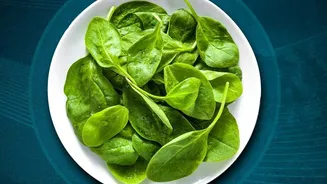
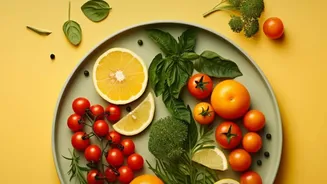
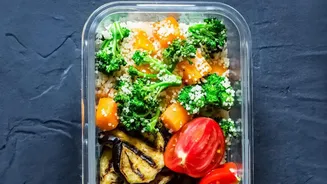
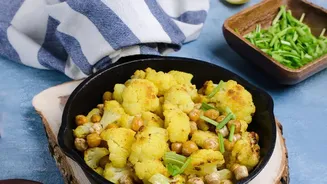
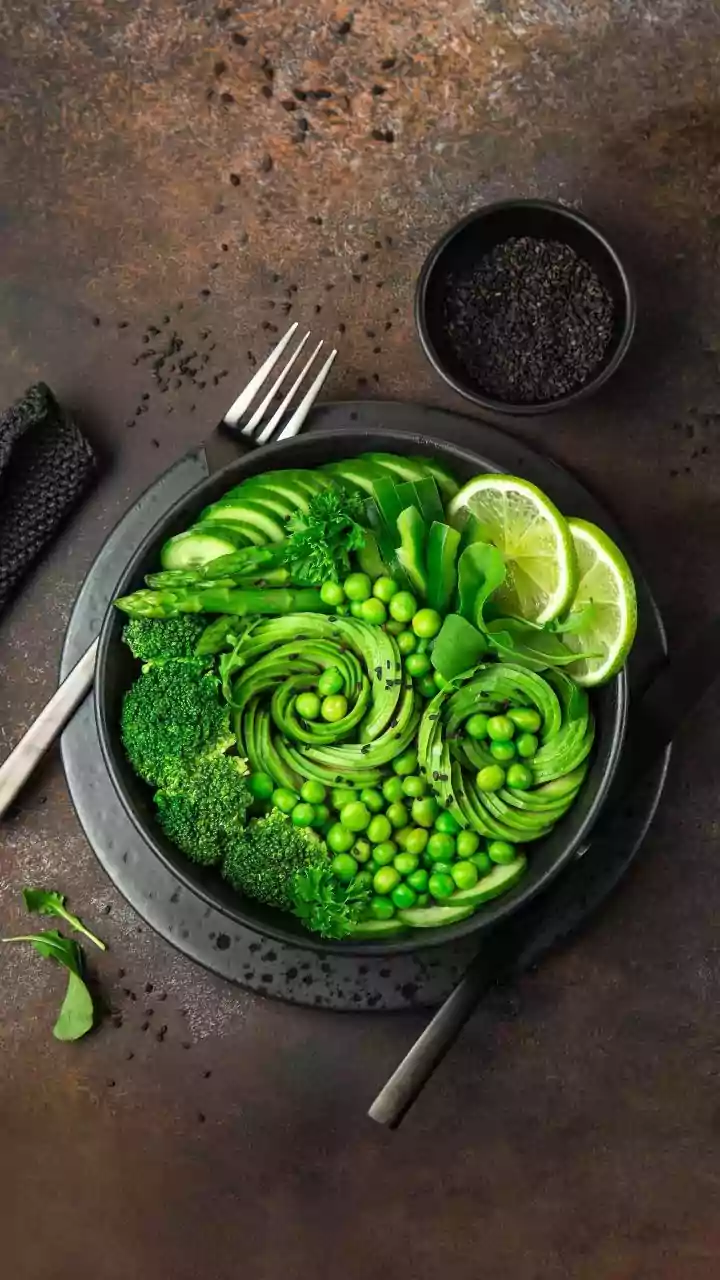
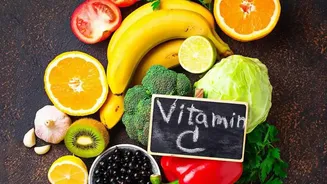
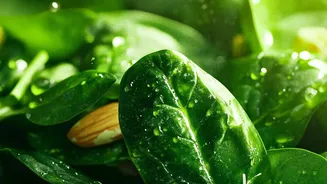
Putting this science into practice is both simple and delicious. The key is to consume Vitamin C-rich foods and non-heme iron sources in the same meal. While the headline focuses on citrus and salads, the principle applies across your entire diet. For your leafy green salad packed with spinach (a great source of non-heme iron), a vinaigrette made with fresh lemon or orange juice is a perfect partner. Adding sliced bell peppers or tomatoes will boost the Vitamin C content even further. Beyond salads, think about other powerful combinations. Squeeze a lime over a bowl of lentil soup. Enjoy a side of steamed broccoli, which contains both iron and Vitamin C, with your tofu. Pair a bean burrito with a fresh tomato salsa. These simple food synergies ensure you are making the most of the nutrients available in your plant-based meals.
More Than Just Oranges and Lemons
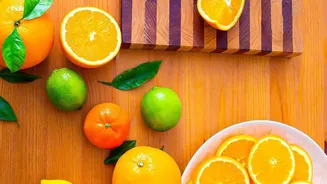
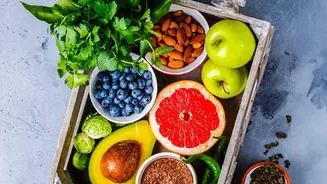
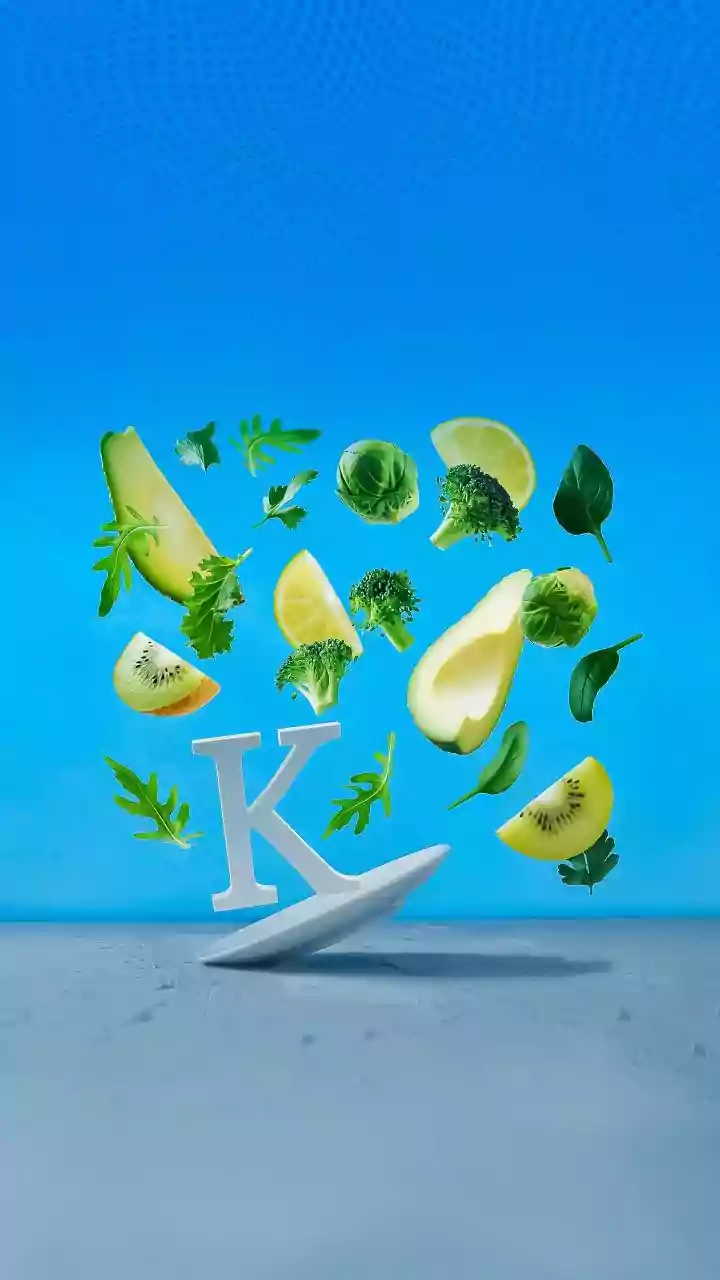
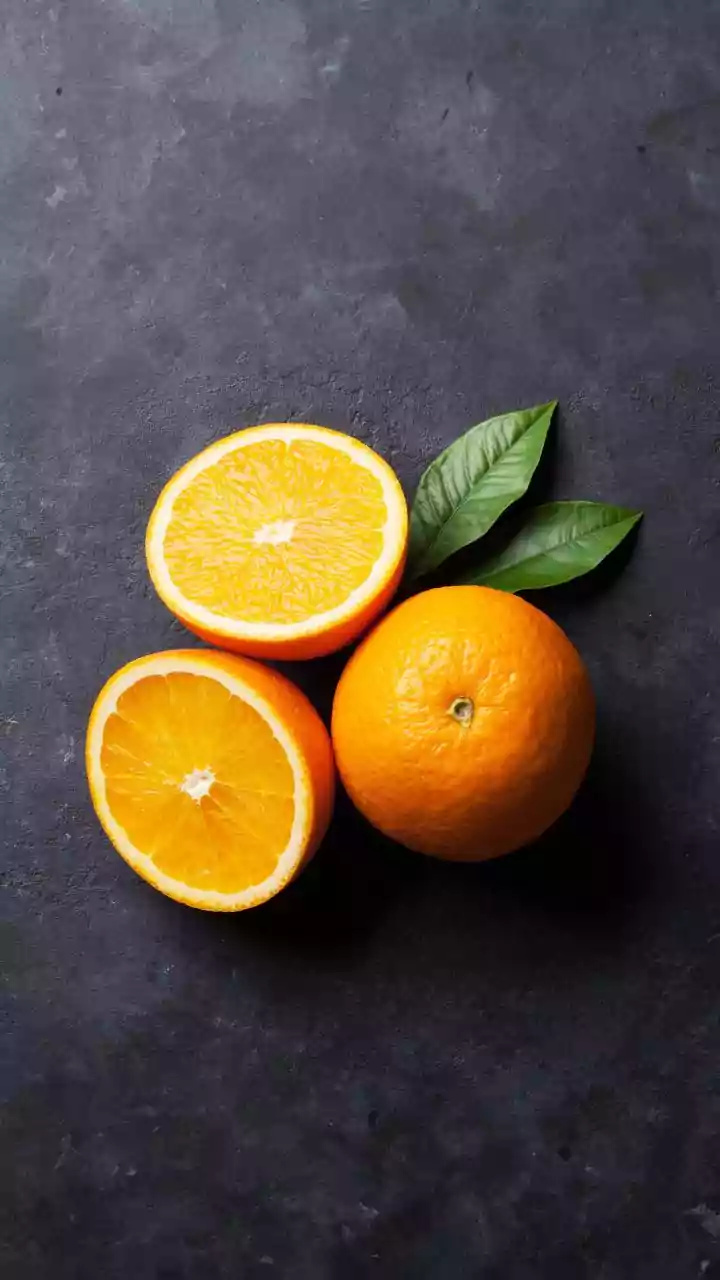
While citrus fruits are famous for their Vitamin C content, there are many other excellent sources you can use to boost your iron absorption. Expanding your repertoire can keep your meals interesting and nutritionally potent. Bell peppers, especially the red and yellow varieties, are packed with Vitamin C. Tropical fruits like guava, kiwi, and mango are also fantastic sources. Strawberries and other berries not only add natural sweetness but also a healthy dose of ascorbic acid. Even common vegetables like broccoli, Brussels sprouts, and cabbage can contribute. By consciously including a variety of these foods in your daily meals alongside iron-rich plants, you create a diet that naturally works harder for you, helping to keep your energy levels up and your body well-nourished.