





The Engine of Modern Life
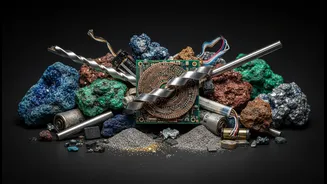
Look around you. The smartphone in your hand, the laptop on your desk, the electric vehicle you might soon drive—all are powered by a special class of materials known as critical minerals. Elements like lithium, cobalt, nickel, and rare earths are the non-negotiable
ingredients of modern technology, clean energy, and national defence. For India, which aims to install 500 GW of renewable energy by 2030 and achieve net-zero emissions by 2070, a secure supply of these minerals is not just important; it's a strategic necessity. However, the nation is heavily import-dependent for many of these key resources, creating economic and geopolitical vulnerabilities. With global supply chains often dominated by a few countries, India is looking inward for a solution, not by digging deeper into the earth, but by mining its own mountains of waste.
From Linear Waste to Circular Wealth
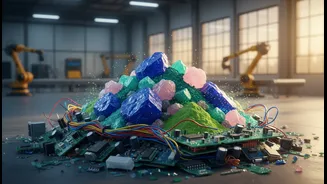
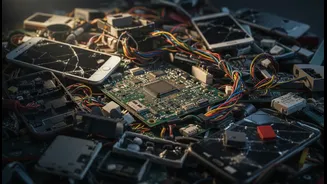
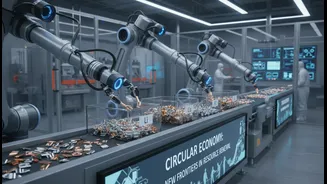
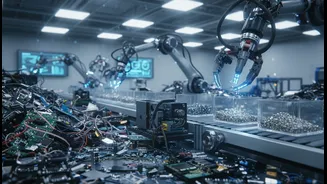
The traditional economic model is linear: we take resources, make products, use them, and then dispose of them. This 'take-make-dispose' system is incredibly wasteful and unsustainable. A circular economy, in contrast, aims to close the loop. It's about designing products to be durable, reusable, repairable, and, at the end of their life, recyclable. Instead of being discarded, old products become the raw materials for new ones. India's government is actively promoting this shift through policies like the Extended Producer Responsibility (EPR) frameworks for e-waste and batteries. The goal is to build a resilient domestic supply chain by recovering valuable materials that are already within the country, a practice often called 'urban mining'. This approach promises to reduce import dependency and the environmental impact of traditional mining.
The New Green-Collar Career Landscape
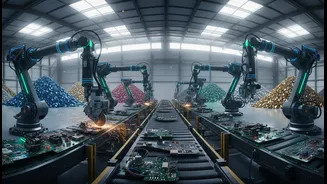
The most compelling story in India’s circular economy transition is the creation of new, skilled, green-collar jobs. As recycling moves from the informal sector to organized, high-tech facilities, it demands a new kind of workforce. The industry around battery and e-waste recycling alone has the potential to create over 100,000 jobs. These aren't just low-skilled roles; they span the entire value chain. The field needs metallurgical and chemical engineers to develop efficient extraction processes, and skilled technicians to operate advanced recycling plants. Reverse logistics—the complex process of collecting and transporting waste from consumers back to recycling centres—requires sophisticated supply chain managers and logistics experts. Data analysts and AI specialists are needed to optimize collection networks and improve processing efficiency. As the sector becomes more regulated, there is a growing demand for policy analysts, legal advisors, and environmental compliance officers to navigate the new frameworks. Furthermore, a whole new track is opening for trainers and educators to equip the workforce with these new 'green skills'.
Building the Ecosystem from the Ground Up
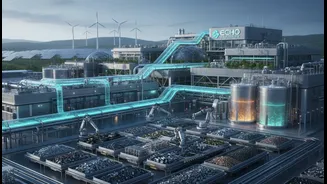
This career boom won't happen in a vacuum. It is being driven by concerted government action and private sector innovation. The National Critical Mineral Mission (NCMM) and incentive schemes are channelling investment into building domestic recycling capacity. Startups and established companies are developing innovative technologies to recover lithium, cobalt, and nickel from spent batteries with increasing efficiency. However, there remains a gap between the demand for skilled professionals and their availability. Recognizing this, institutions like the Skill Council for Green Jobs (SCGJ) are working to develop training programs to prepare India's workforce for these sustainable careers. Job portals now feature roles like 'Circular Economy Consultant', 'Sustainability Manager', and 'E-waste Business Development Executive'—titles that barely existed a decade ago. This reflects a fundamental shift in the economy, where environmental responsibility and commercial opportunity are becoming two sides of the same coin.