






The Evolution of the Wardrobe
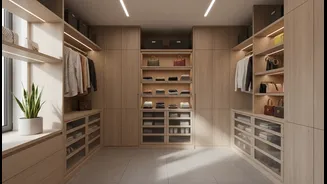
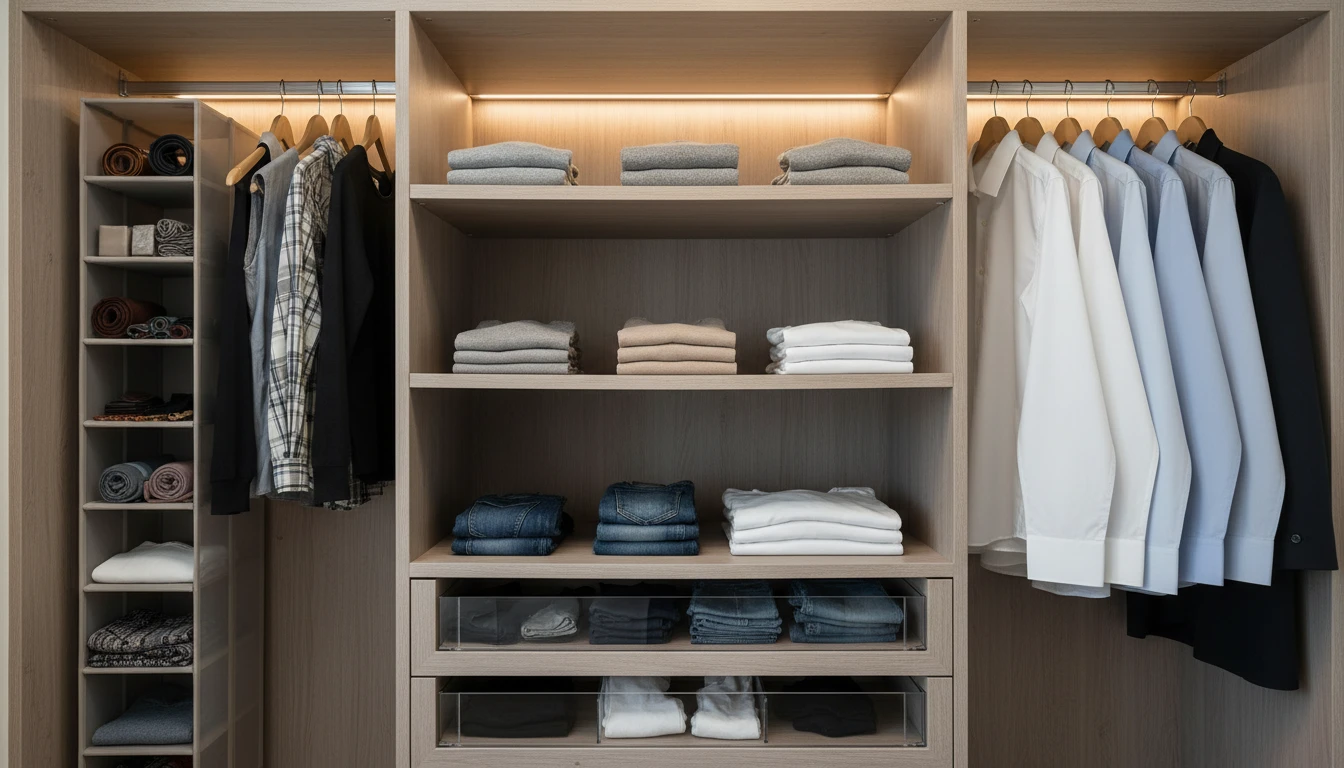
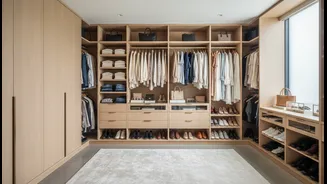
For decades, a wardrobe was little more than a box with a rail and a shelf. Today, the concept of a ‘smarter wardrobe’ has revolutionised our approach to storage. This doesn't necessarily mean a high-tech closet that picks your outfits, though those exist.
More practically, it refers to modular, customisable systems designed to maximise every square inch of space. Think floor-to-ceiling units that use vertical height, adjustable shelves and drawers that can be reconfigured as your needs change, and clever additions like pull-out trouser racks, built-in laundry hampers, and integrated lighting. The goal of a smart wardrobe is efficiency and organisation, making it easier to see what you own and access it, which can cut down on the time it takes to get ready each morning.
The Art of Making Things Disappear
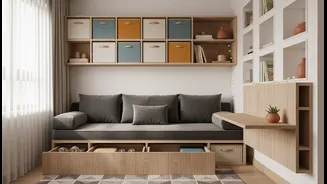
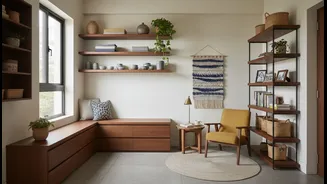
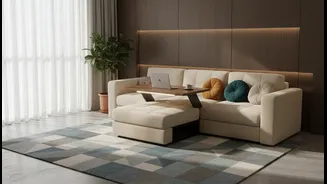
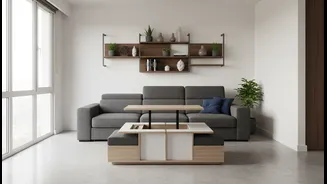
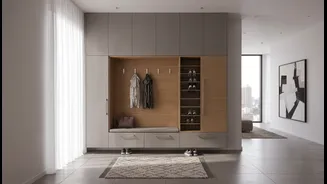
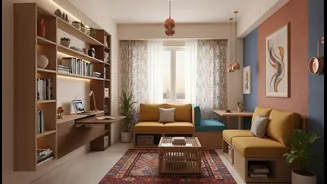
Hidden storage operates on a parallel principle: creating a calm, uncluttered environment by making storage solutions themselves invisible. As apartment sizes in urban India shrink, designers are increasingly prioritising multifunctional layouts. This can take many forms, from beds with hydraulic lift-up mechanisms that reveal vast storage for seasonal quilts and luggage, to coffee tables with lift-up tops for magazines and remotes. Other popular examples include benches with concealed compartments, drawers built into the 'toe-kick' space under kitchen cabinets, and even wall mirrors that hide slim storage for jewellery or cosmetics. The purpose isn't just to hide mess, but to design storage so seamlessly into our living spaces that the room feels larger and more peaceful.
A Shared Philosophy of Intentionality
Here’s where the two concepts truly merge. On the surface, both are about saving space. But at their core, they represent a deeper philosophy of intentional living. A smarter, modular wardrobe encourages you to curate your clothing, giving every item a designated home. Similarly, opting for a sofa with built-in storage is a deliberate choice to keep living room surfaces clear. Both solutions force you to think proactively about what you own and how you live. They are the physical embodiment of the 'a place for everything, and everything in its place' mantra. This approach moves beyond reactive decluttering—frantically tidying up when things get chaotic—and towards a sustainable system of organisation that prevents clutter from accumulating in the first place.
Creating a Visually Quiet Home
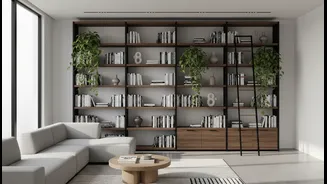
The ultimate benefit of combining these two strategies is the creation of a 'visually quiet' home. Clutter has been shown to be a source of stress, contributing to a sense of being overwhelmed. Smart wardrobes tackle the chaos within our closets, while hidden storage addresses the visual noise in our main living areas. When your television wires are concealed within a custom unit, your extra blankets are tucked away inside an ottoman, and your wardrobe is perfectly organised, your mind has fewer distractions to process. This creates a more restorative and calming atmosphere, which is increasingly valuable in our busy modern lives. The home transforms from a mere storage unit for your possessions into a genuine sanctuary.
Practicality for the Indian Context
These ideas are particularly relevant for modern Indian households, which often balance multi-generational needs and a mix of traditional and contemporary belongings. A modular wardrobe can be designed with specific sections for saris, seasonal woollens, and formal wear. Hidden storage solutions are perfect for stowing away items used for festivals or special occasions. In homes where space is shared, furniture that serves multiple purposes—like a bed with drawers for a child's toys or a dining table that folds away—is incredibly practical. By adopting these smart design principles, families can create homes that are not only stylish and modern but also highly functional for their unique lifestyle.