


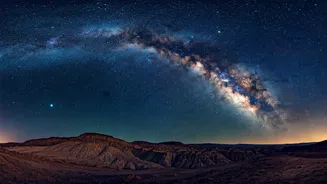


A Celestial Double Feature
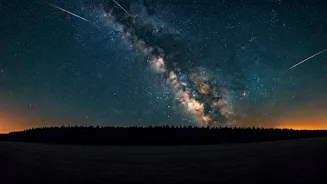
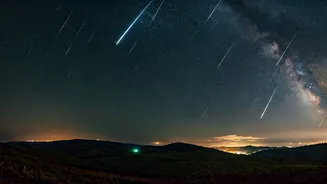
Throughout late July and into August, Earth’s orbit takes it through the debris trails left by ancient comets. This year, we get to enjoy a two-for-one deal. The Southern Delta Aquariids and the Piscis Austrinids are both active, meaning more chances
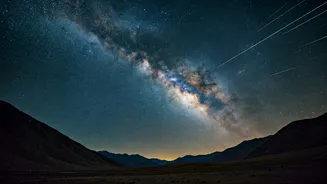
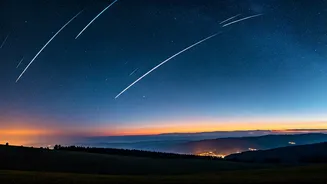
to spot a “shooting star.” When tiny particles of cosmic dust and rock enter our atmosphere and burn up, they create fleeting streaks of light. While neither of these showers is known for intense outbursts like the famous Perseids in August, their combined activity makes for a rewarding experience for patient observers. The Southern Delta Aquariids are active from mid-July to mid-August, while the Piscis Austrinids are visible from July 15 to August 10.
Meet the Cosmic Visitors
The Southern Delta Aquariids are thought to originate from Comet 96P/Machholz. This shower is known for producing a steady rate of meteors, with up to 25 per hour under perfect conditions, though many are faint. Its radiant, or the point from which the meteors appear to originate, is in the constellation Aquarius.
The Piscis Austrinids are a more mysterious and fainter shower, with an unconfirmed parent body. They typically produce only about 5-10 meteors per hour at their peak. These meteors appear to radiate from the constellation Piscis Austrinus, the Southern Fish. Though less prolific, they add to the overall number of meteors you might see on a given night.
When and Where to Look in India
The overlapping peak for these showers occurs around July 29-30, 2026. The best time for viewing in India is during the pre-dawn hours, roughly between 2:00 a.m. and 4:30 a.m. IST. This is when the radiant points of both constellations are highest in the southern sky, increasing your chances of seeing meteors. However, there is a major challenge for the 2026 peak: a nearly full moon on July 29 will brighten the sky all night, washing out most of the fainter meteors. For a better experience, consider watching in the week before the peak, from July 21-26, when the moon sets earlier, leaving the pre-dawn sky dark. You don't need to stare directly at the radiant points; the meteors can appear anywhere in the sky.
Your Ultimate Viewing Guide
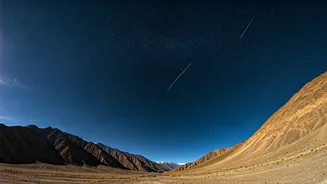
Enjoying this celestial event doesn't require any special equipment. In fact, your naked eyes are the best tool because they offer the widest field of view. First, find a location away from city and street lights. Light pollution is the biggest obstacle to seeing meteors. Places like Spiti Valley or remote areas in Ladakh are ideal, but even a dark park or a rural spot outside your city will significantly improve your view. Allow your eyes at least 20-30 minutes to fully adapt to the darkness; this means avoiding looking at your phone screen. Get comfortable. Use a reclining chair or lie on a blanket so you can look up without straining your neck. Finally, be patient. Meteor watching is a waiting game, so settle in, relax, and enjoy the vastness of the night sky. The show is worth the wait.