






An Exhibition About Everything But Counting
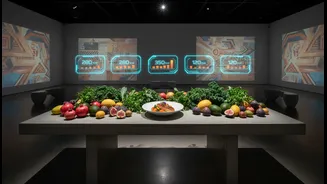
Step inside the Science Gallery Bengaluru, and you will find an exhibition called 'Calorie' that, paradoxically, isn't about counting them. This year-long exploration delves into our complex relationship with food, but it consciously avoids the shame-laden
language of diet culture. Instead of focusing on 'good' or 'bad' foods, the exhibits invite curiosity. Questions like 'Who grows your food?', 'Who gets to eat it?', and 'What does it do to your body?' are at the forefront. The founding director of the gallery, Jahnavi Phalkey, clarified that the goal isn't to judge dietary habits but to equip people with the knowledge to make their own informed choices. Through interactive art, workshops, and films, 'Calorie' re-frames the conversation from one of restriction to one of understanding.
Art, Science, and a Healthier Perspective
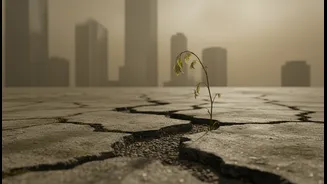
The exhibition uses art to make science approachable and personal. One installation features ragi seedlings sprouting from discarded e-waste, a commentary on how Bengaluru's farmland has given way to its tech capital identity. Another uses an AI-powered 'food council' where personified ingredients discuss biodiversity and food waste. There are even interactive games, like a twist on the classic video game 'Snake' that incorporates the challenges of food scarcity and climate change. By presenting these topics through engaging and sometimes playful mediums, the gallery creates a non-intimidating environment. It becomes a place for young people, its primary audience, to connect with the science of nutrition without the pressure of achieving a certain body type or adhering to a restrictive eating plan. The idea is to spark questions, not provide prescriptive answers.
A Needed Antidote to Modern Diet Culture
The timing for such an initiative couldn't be more critical. India is experiencing a dramatic dietary shift, with urbanisation and the influx of processed foods leading to what experts call a 'dual burden' of malnutrition—the coexistence of both undernutrition and overnutrition. This transition has significant health consequences, with rising rates of obesity and non-communicable diseases. Alongside this, a pervasive diet culture, amplified by social media, is impacting the psychological well-being of many, particularly women. The pressure to conform to specific body ideals often leads to unhealthy relationships with food, characterised by guilt and anxiety. This environment makes it difficult to have a neutral, science-based conversation about nutrition.
Why Curious Spaces Matter More Than Critical Ones
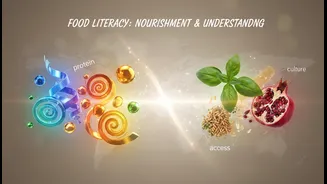
The 'Calorie' exhibition demonstrates the power of shifting the narrative from judgment to curiosity. By removing the moral weight from food choices, it allows for genuine learning. This approach aligns with a growing understanding that effective health communication isn't about lecturing people; it's about empowering them. When people understand the 'why' behind nutrition—the journey of food from farm to plate, its cultural significance, and its environmental impact—they are better equipped to make sustainable, healthy choices. Spaces like the Science Gallery become crucial public resources. They offer a medi-free zone where science is a tool for exploration, not a weapon for criticism. They foster a food culture rooted in biodiversity, local ecologies, and personal well-being rather than one dictated by trends and commercial interests. The exhibition reminds us that food is not just fuel; it's intertwined with culture, politics, agriculture, and pleasure.