





1. Inspect for Leaks and Cracks
Your home's first line of defence against the monsoon is its exterior. Before the rains set in, do a thorough check of your roof and external walls. Look for any cracks, especially at the joints where walls meet the roof slab, as these are common entry
points for water. Also, check for peeling paint or damp spots on your ceilings, which are tell-tale signs of existing leaks that will only worsen. Sealing these cracks with a waterproof filler or sealant is an inexpensive but highly effective step. It’s crucial to complete these repairs before the heavy showers begin, as the materials need time to dry properly.
2. Clear All Drains and Gutters
Blocked drains are a primary cause of waterlogging and seepage. Over the dry months, leaves, dust, and other debris can accumulate in your rooftop, balcony, and courtyard drains. Before the first storm, manually clear all of these out. Flush them with a hose to ensure water can flow freely and away from your home's foundation. Clogged gutters can cause water to overflow and run down your exterior walls, leading to dampness and structural damage. A clean drainage system is critical to handle the heavy volume of water during a downpour.
3. Secure Your Electrical Systems
The combination of water and electricity is extremely dangerous. It is essential to have your home's wiring checked by a qualified electrician, especially any wiring on walls that have previously shown signs of dampness. Ensure that all outdoor electrical fittings are properly covered and weatherproof. Inside, avoid touching switches with wet hands. It's also wise to unplug non-essential electronics like TVs and computers during severe thunderstorms to protect them from power surges caused by lightning strikes. Installing a residual current circuit breaker (RCCB) provides an extra layer of safety by cutting off power in case of an accidental leak.
4. Protect Wooden Furniture and Doors
High humidity is the biggest enemy of wooden furniture during the monsoon. Moisture in the air can cause wood to swell, warp, and develop mould. A simple and effective trick is to keep furniture a few inches away from walls, especially exterior ones, which can absorb dampness from outside. This allows air to circulate and prevents moisture transfer. Applying a fresh coat of polish or wax before the season begins can create a protective barrier. For wardrobes and cabinets, placing moisture absorbers like silica gel packs or even camphor balls can help keep the insides dry and prevent musty smells.
5. Manage Indoor Dampness
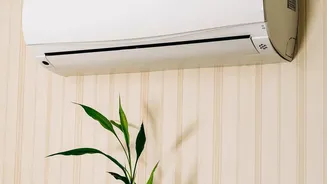
Even without direct leaks, high humidity can make a home feel damp and uncomfortable, leading to the growth of mould and mildew. Ensure your home is well-ventilated by opening windows and doors on dry days to allow fresh air to circulate. Using exhaust fans in kitchens and bathrooms is crucial to expel moist air. For particularly humid regions, running an air conditioner in 'dry mode' or using a dehumidifier can significantly reduce indoor moisture levels. Also, consider switching to lighter, quick-drying curtains that don't hold moisture.
6. Keep Pests at Bay
The monsoon is peak breeding season for many pests, including mosquitoes, cockroaches, and termites, who are drawn to damp conditions. The most important step is to eliminate any stagnant water around your home, which is a breeding ground for mosquitoes. Regularly empty water from plant trays, coolers, and any outdoor containers. Sealing cracks and gaps around windows, doors, and pipes can prevent insects from entering your home. Keeping kitchen counters and floors clean and dry, especially overnight, will also make your home less attractive to pests.
7. Prepare an Emergency Kit
Heavy monsoon storms can sometimes lead to power cuts or temporary disruptions. It's always a good idea to have a basic emergency kit ready. This should include essentials like battery-powered flashlights and lanterns (which are safer than candles), a stock of fresh batteries, a first-aid kit, and some non-perishable food and drinking water. Having a power bank for your mobile phone fully charged is also a modern necessity to stay connected and informed during an outage. Keeping these items in an easily accessible place ensures you aren't scrambling in the dark if the power goes out.