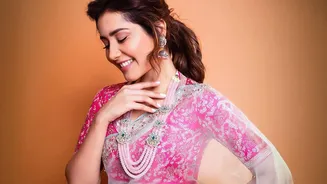



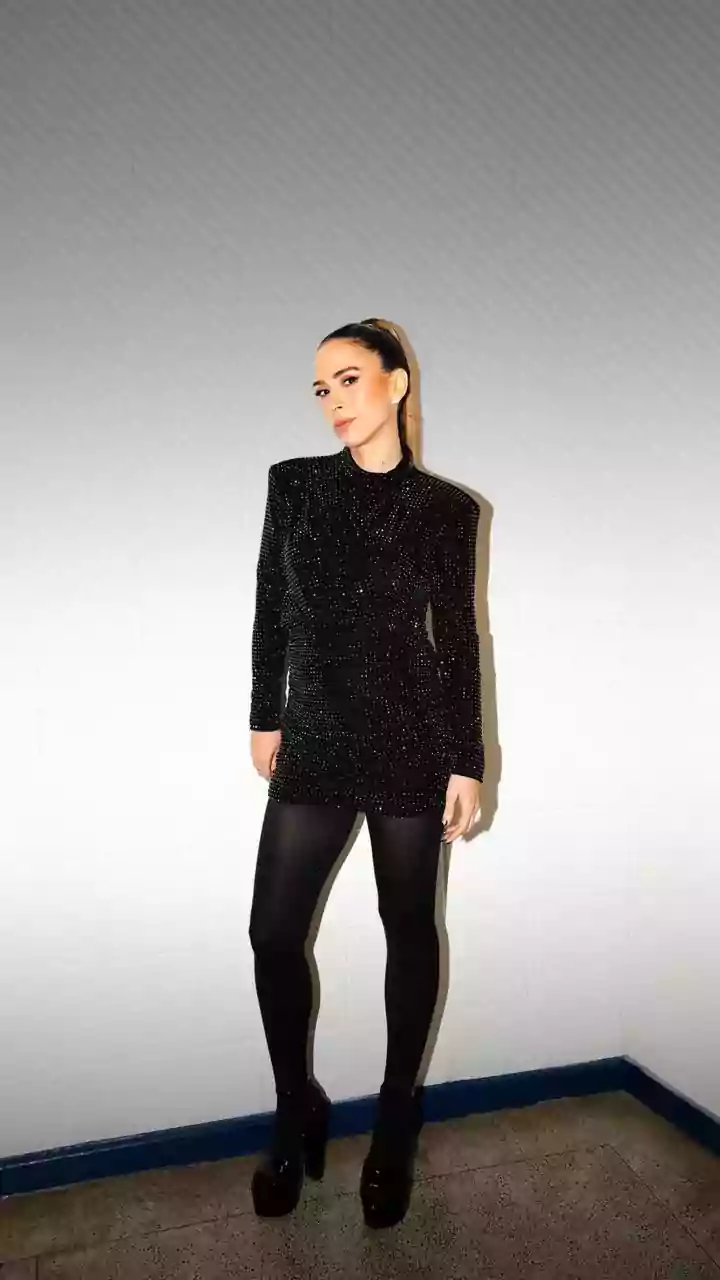




What Are Face-Framing Pieces?
Unlike a traditional, heavy fringe that is cut straight across, face-framing pieces are softer, longer, and designed to blend seamlessly into the rest of your hair. Think of them as a strategic collection of shorter strands around your face that highlight
your best features, like your cheekbones or jawline. This style often takes the form of 'curtain bangs', which are parted in the middle and sweep outwards, or longer, wispy layers that start around the chin or cheekbones. The goal is to create a soft, flattering arc around the face that adds dimension and movement without a hard line.
The Universal Appeal: Why It Works for Everyone
One of the biggest draws of this trend is its versatility. Because it’s not a rigid haircut but rather a placement strategy, it can be tailored to suit nearly any face shape and hair texture. For round or square faces, longer pieces that fall past the cheekbones can create an elongating effect and soften strong jawlines. For heart-shaped faces, a soft fringe can balance a wider forehead. Oval faces can pull off almost any variation. This style is also a favourite because it grows out gracefully, blending into your existing layers without the awkward in-between phase that often comes with a blunt fringe.
Inspiration from the Stars
Celebrities have long embraced the power of face-framing layers to refresh their look for the red carpet and beyond. Stars like Priyanka Chopra and Deepika Padukone have often sported soft, side-swept pieces that add glamour without feeling severe. Alia Bhatt's layered fringe, often seen with a ponytail, is a perfect example of how these pieces create a chic, girl-next-door vibe that looks put-together yet effortless. Globally, celebrities like Zendaya and Selena Gomez have made curtain bangs one of the most requested styles in salons, proving their timeless and flattering appeal.
How to Ask Your Stylist for the Perfect Fringe
Clear communication is key to getting the haircut you envision. Instead of just saying 'I want layers,' be specific. Bringing reference photos is always a great start. Use your hands to show your stylist exactly where you want the shortest piece to land—whether it's at your cheekbone, lip, or chin. Using phrases like 'soft, blended layers' or 'long face-framing pieces that connect to my layers' can help your stylist understand the goal. Ask for a cut that will work with your natural texture and daily routine, especially if you're someone who prefers to air-dry your hair.
Styling and Maintenance at Home
Maintaining your new look is simpler than you might think. For a bouncy, polished finish, use a round brush while blow-drying, directing the hair away from your face. A flat iron can also be used to create a soft bend; just grip the fringe at the root and pull it downward and outward in a diagonal motion. Even a messy bun or ponytail is instantly elevated by pulling out these front pieces to frame the face. To keep your fringe looking fresh, you may need to wash just the fringe more often than the rest of your hair to combat oiliness from your forehead. Regular trims every 4-6 weeks will help maintain the shape.