


The Hidden Risks of Heating Plastic
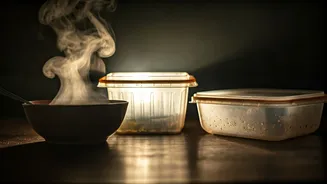
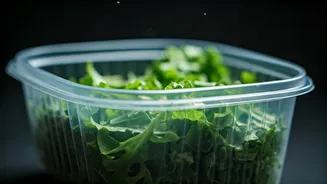
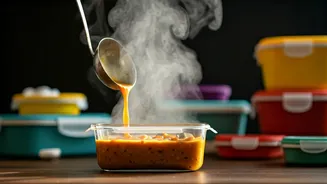
The primary concern with heating plastic containers is the potential for chemical leaching. When plastic is heated, it can release chemicals like bisphenol A (BPA) and phthalates into your food. These substances are used to make plastics more durable
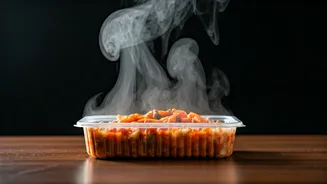
or flexible, but are also known as endocrine disruptors, meaning they can interfere with the body's hormones. The process accelerates at higher temperatures, such as those in a microwave. Research shows that chemical leaching can begin at temperatures over 100°F (about 38°C) and increases significantly as the temperature rises. Fatty, oily, or acidic foods are particularly prone to absorbing these chemicals.
What 'Microwave-Safe' Really Means
When a container is labeled "microwave-safe," it means the manufacturer has determined it can withstand microwave heat without melting or warping. This is a guarantee of the container's structural integrity, not necessarily its absolute chemical safety. The symbol itself, usually three wavy lines, indicates the container has been tested for this purpose. However, even microwave-safe plastics can degrade over time with repeated use, washing, and heating, which may increase the likelihood of chemicals leaching. A "BPA-free" label is a good start, but some products may use replacement chemicals, like BPS, which are also under scrutiny.
Decoding Plastic Recycling Codes
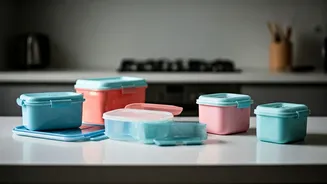
The small number inside a triangle on the bottom of plastic containers can offer clues about safety. For food use, especially with heat, some plastics are better than others. Plastic #5 (Polypropylene or PP) is generally considered a safer choice as it has a high heat tolerance and is often used for microwaveable containers. Plastics with recycling codes #3 (PVC), #6 (Polystyrene, like Styrofoam), and often #7 (a catch-all category that can include BPA) should generally be avoided for heating food, as they are more likely to leach harmful substances. Single-use containers, such as margarine tubs or takeout boxes not explicitly marked as reusable, should never be microwaved.
The Dishwasher Effect
The high heat of a dishwasher can also pose a problem for plastic containers. The heating element, usually located at the bottom, can reach temperatures that warp or melt plastics placed on the bottom rack. This heat stress not only damages the container but can also accelerate the breakdown of the plastic, potentially increasing chemical leaching in future uses. Studies have also shown that dishwashers can cause the release of millions of microplastic particles from containers, which then enter our water systems. To minimize risk, place dishwasher-safe plastics on the top rack, away from the direct heat source.
Making the Safest Choice: Glass and Ceramic
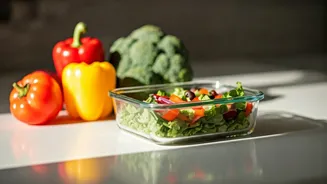
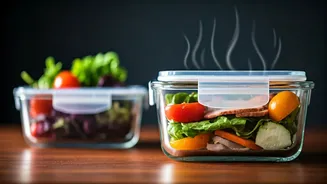
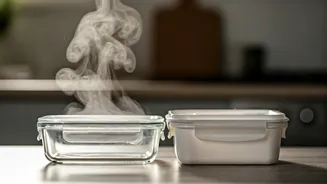
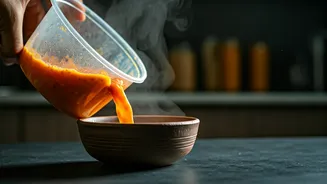
When in doubt, the safest option for reheating food is to use glass or ceramic containers. These materials are stable at high temperatures, do not contain the same chemicals as plastics, and won't leach anything into your food. While modern, high-quality, microwave-safe plastic containers can be a good option for their convenience, glass remains the gold standard for health-conscious reheating. If you do use plastic containers for storage, a simple and effective habit is to transfer the food to a glass or ceramic dish before placing it in the microwave.
When to Retire Your Containers
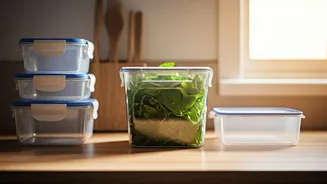
All food containers have a limited lifespan. You should immediately stop using any plastic container that is visibly scratched, cloudy, stained, or warped. Damage to the plastic's surface can make it more likely to release chemicals and microplastic particles. Even high-quality containers degrade over time. If a container has a strange odor or its lid no longer fits securely, it’s time to replace it. Regularly inspecting your containers is a simple step to ensure you are storing and reheating your food as safely as possible.