






The Free Delivery Trap
The convenience of quick commerce is undeniable, but it comes with a hidden cost. Platforms like Blinkit, Swiggy Instamart, and Zepto have changed consumer behaviour, but they rely on specific psychological triggers to increase order values. One of the most
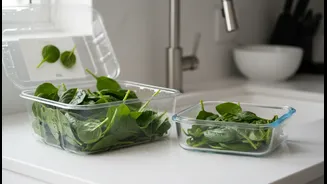
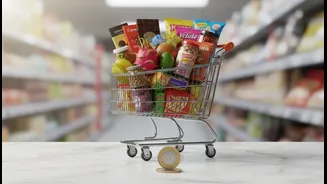
effective is the free delivery threshold. In India, this is often set around ₹199 or ₹299. Fall short by just a few rupees, and you’re faced with a delivery fee of ₹20 to ₹30. To avoid this fee, many of us toss in extra items we hadn’t planned on buying. That last-minute packet of chips or an exotic vegetable might seem like a small addition, but this habit, known as cart padding, consistently leads to overspending and potential food waste. Over a year, these small, impulse additions to hit a delivery minimum can add up to a significant amount, turning the perceived saving into a net loss.
The Psychology of 'Free'
Why is the lure of “free” so powerful? The answer lies in human psychology. According to behavioural economics, we are wired to avoid losses. Paying a delivery fee, even a small one, feels like a penalty or a loss. In contrast, getting something for “free” triggers a positive emotional response, like winning a reward. Studies show that the majority of online shoppers will add items to their cart just to qualify for free shipping. Retailers understand this 'pain of paying' and structure their pricing to make free delivery feel like an achievement. You might spend an extra ₹50 on items you don't need to save a ₹30 fee, believing you've made a smart choice. In reality, you've spent ₹20 more than you intended, purely to avoid the psychological sting of a surcharge.
Introducing the Household Stop Rule
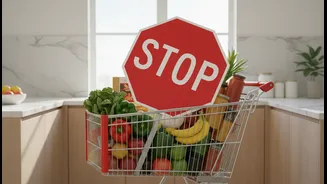
This is where a 'stop rule' becomes an essential tool for the mindful consumer. A stop rule is a pre-determined budget or item limit for your grocery order that you commit to not crossing. It’s a conscious decision to prioritise your actual needs over the temptation of a freebie. The rule is simple: if your planned grocery list totals ₹170 and the delivery fee is ₹30, you pay the fee. You accept the ₹200 total instead of padding your cart to ₹210 with unplanned items just to save ₹30. By setting this boundary before you even open the app, you disarm the platform’s psychological nudges. It’s about shifting your mindset from chasing a small saving to optimising your overall spending and consumption.
Putting Your Stop Rule Into Practice
Implementing a stop rule requires a little discipline, but it quickly becomes second nature. First, always shop with a list. Before adding items to your cart, know exactly what you need. This prevents impulse buys from the start. Second, when your list is complete, look at the total. If it’s below the free delivery threshold, do a quick cost-benefit analysis. Is the delivery fee less than the cost of the cheapest, most useless item you’d add to avoid it? If yes, pay the fee. Third, create a 'next time' list. If there’s a non-urgent item you’re tempted to add, put it on a list for your next planned shop. This acknowledges the want without succumbing to it. Finally, consider alternatives like curbside pickup, which often has no fee, or consolidating orders with neighbours to easily meet the threshold without buying extras.
Beyond the Stop Rule: Smarter Shopping
The stop rule is your primary defence, but other habits can lead to even greater savings. Plan your meals for the week before you shop; this ensures every item on your list has a purpose. Before opening a delivery app, do a quick scan of your pantry and fridge to avoid buying duplicates. Use price comparison apps or websites to see which platform offers the best price for the items you need, as costs can vary significantly between services. Lastly, be wary of store brands being buried in search results; sometimes you need to search for them by name to find the best value. By combining a firm stop rule with these mindful shopping strategies, you regain control over your grocery budget and ensure convenience doesn’t come at an unnecessary cost.