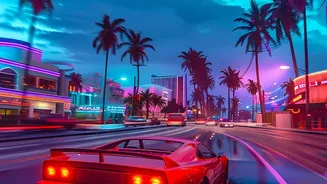







After a 13-year wait, the launch of Grand Theft Auto VI on November 19 wasn't just a gaming event; it was a full-blown cultural and economic phenomenon. While millions of players disappeared into the virtual world of Vice City, a surprising ripple effect
was felt in the real one, right at our doorsteps.
The Launch Night Food Frenzy
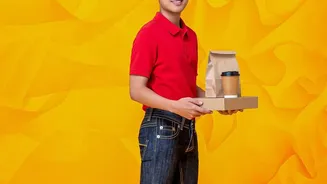
As players settled in for marathon gaming sessions, meal delivery services across the United States saw a significant spike in business. DoorDash reported that between 9 p.m. on November 18 and 2 a.m. on November 19, orders for popular items like chips, burgers, fries, and pizza jumped by more than 10 percent each. Energy drink orders saw an even greater increase, climbing by 20 percent as gamers fueled up to stay awake. Uber Eats noted a similar trend, with specific items seeing dramatic increases; orders for Red Bull Watermelon soared by 95 percent, while Totino's Pizza Rolls jumped 54 percent. The surge was particularly concentrated in Miami—the real-life inspiration for the game's Vice City—where late-night Uber Eats orders were over 30 percent higher than the previous two Thursdays.
More Than Just a Coincidence
This wasn't a random occurrence; it was a predictable outcome of a massive, shared cultural moment. With millions of people glued to their screens, cooking was the last thing on their minds. Recognizing this captive audience, delivery platforms and restaurants leaned in. Uber Eats, DoorDash, and Grubhub all launched promotional codes with names like 'ONAMISSION' and 'OUTOFOFFICE' to entice players. Uber Eats offered $10 off orders, while Grubhub's limited-time code was reportedly exhausted within minutes. This coordinated effort shows a growing understanding among businesses of the 'attention economy'—when a single event captures the nation's focus, savvy companies can follow the downstream effects to find new revenue opportunities.
Restaurants Join the Game
It wasn't just the delivery platforms cashing in. Several restaurant chains launched their own GTA-themed promotions. Popeyes introduced a 'Spice City Sandwich', a nod to the game's setting, available only during the launch weekend. In Miami, Subway offered a 'Vice City Cubano' melt, while some Skinny Louie burger joints in South Florida transformed into 'Burger Shot', a fictional fast-food chain from the GTA universe. Other brands like Einstein Bros. Bagels and Mooyah Burgers, Fries & Shakes also created special deals, from an 'All-Nighter Egg Sandwich' to a '6-STAR Combo' sweepstakes for a new PlayStation 5. These campaigns highlight a sophisticated marketing strategy that blurs the line between the digital world and real-world commerce.
The New Economic Ripple Effect
The impact went even beyond food. DoorDash also reported a massive 450 percent surge in orders for gaming accessories like controllers, along with a 440 percent jump in HDMI cables, as players rushed to finalize their setups. This phenomenon demonstrates that blockbuster entertainment launches are no longer confined to their own industry. They are powerful economic engines capable of influencing consumer behavior across multiple sectors, from electronics retail to the gig economy. The launch also had a measurable effect on the American workforce, with payroll processor Gusto reporting a 9 percent increase in paid-time-off requests for the game's release day. For a few days, exploring a digital city became a more pressing priority than work or cooking for a significant slice of the population.