





Start With a Sustainable Mindset
The key to a lasting fitness habit is consistency, not intensity. Many routines fail because they start too ambitiously. Instead of relying on fleeting motivation, aim for a realistic schedule you can maintain even on low-energy days. Start by setting
clear, achievable goals. Rather than a vague goal like 'get fit', aim for something specific, such as 'complete three 20-minute workouts per week'. Success is built on small, repeatable actions that become second nature over time. The best workout plan is the one you actually do, so choose activities you genuinely enjoy to improve your chances of staying on track.
The Three Pillars of a Balanced Routine
A well-rounded fitness plan rests on three essential pillars: cardiovascular exercise, strength training, and flexibility. Neglecting any one of these can lead to imbalances and increase the risk of injury. Cardio, or aerobic exercise, strengthens your heart and lungs. Strength training builds and maintains muscle and bone density, which is crucial for a healthy metabolism. Finally, flexibility and mobility work ensures your joints maintain their full range of motion, reducing stiffness and preventing injury. Integrating all three into your week is the foundation of a truly effective and sustainable home routine.
Cardio Without the Cost
You don't need a treadmill or an elliptical to get your heart rate up. Effective cardiovascular exercise can be done anywhere with no equipment at all. Activities like brisk walking, jogging in place, jumping jacks, high knees, and burpees are all excellent options. Even dancing to your favourite music or climbing the stairs in your building can serve as a great aerobic workout. Aim for at least 150 minutes of moderate aerobic activity or 75 minutes of vigorous activity spread throughout the week to boost your heart health, manage weight, and improve your overall endurance.
Build Strength Using Your Own Bodyweight
Your body is a powerful tool for building strength. Bodyweight exercises are effective, versatile, and can be done anywhere. Foundational movements like push-ups, squats, lunges, and planks are perfect for beginners and form the core of a solid strength plan. Push-ups target your chest, shoulders, and triceps, while squats and lunges strengthen your legs and glutes. Planks are exceptional for developing core stability. As you get stronger, you can progress to more challenging variations of these exercises to ensure you continue to build muscle. Aim for at least two strength sessions per week, focusing on all major muscle groups.
Don't Skip Recovery and Flexibility
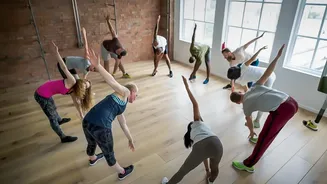
What you do between workouts is just as important as the workouts themselves. Rest days are not a sign of weakness; they are a strategic and essential part of your fitness journey. Exercise creates tiny tears in your muscle fibres, and it's during the recovery period that they repair and grow stronger. Skipping rest can lead to burnout, overtraining, and injury. Incorporate 'active recovery' like gentle stretching, yoga, or a leisurely walk. These activities improve flexibility, reduce muscle soreness, and help prepare your body for the next challenge, ensuring your routine remains a positive and pain-free part of your life.
Create Your Weekly Blueprint
Scheduling your workouts like any other important appointment is a proven way to build a habit. A simple weekly structure could look like this: dedicate two to three non-consecutive days to strength training (e.g., Monday and Thursday). On two or three other days, focus on cardiovascular exercise (e.g., Tuesday, Friday, and Saturday). Use one or two days for active recovery or complete rest (e.g., Wednesday and Sunday). This approach ensures you hit all pillars of fitness while giving your body adequate time to recover between sessions. Listen to your body and adjust the schedule as needed—flexibility is key to long-term success.