






1. Stay Physically Active
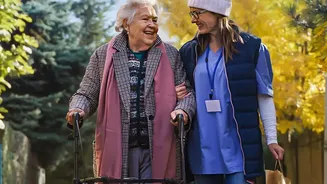
Regular physical activity is a cornerstone of healthy ageing. It's not just about longevity, but about improving your quality of life, maintaining muscle strength, and enhancing balance to prevent falls. Evidence suggests that those who exercise regularly
experience more years free from pain and disability. Aiming for at least 30 minutes of moderate activity, like brisk walking, most days of the week is a great goal. Activities like gardening, swimming, and dancing all contribute to better heart health, mobility, and mood.
2. Eat a Nutrient-Rich Diet
As we age, our caloric needs may decrease, but our need for nutrients remains crucial. A balanced diet helps maintain strong bones, supports muscle function, and can lower the risk of chronic illnesses like heart disease and type 2 diabetes. Focus on a 'rainbow' of fruits and vegetables, whole grains, lean proteins, and healthy fats. Limiting processed foods, sugar, and unhealthy fats is just as important. Staying hydrated by drinking plenty of water is also a simple yet powerful habit for overall health.
3. Keep Your Brain Engaged
Just as your body needs exercise, so does your brain. Engaging in mentally stimulating activities can help maintain cognitive functions like memory, learning, and problem-solving. This doesn't have to feel like work. Learning a new skill, taking a class, reading, or playing strategy games are all effective ways to challenge your mind. Staying curious and continuing to learn throughout life contributes significantly to cognitive wellness.
4. Foster Social Connections
Maintaining strong social ties is an often-underestimated part of healthy ageing. Social isolation and loneliness are linked to higher risks for health problems, including depression and cognitive decline. Make an effort to connect regularly with family and friends. Joining clubs, volunteering, or participating in community activities can provide a sense of purpose and belonging, which are vital for emotional well-being.
5. Prioritise Quality Sleep
Sleep is essential for physical and mental restoration. While sleep patterns can change with age, the need for quality rest does not. Poor sleep can affect everything from mood and cognitive function to immune response. Establishing a regular sleep schedule, creating a restful environment, and avoiding stimulants like caffeine before bed can help improve sleep quality. If you consistently struggle with sleep, it's worth discussing with a healthcare professional.
6. Manage Stress Effectively
Chronic stress can have a significant negative impact on your health, increasing the risk of conditions like heart disease. Finding healthy ways to manage stress is crucial. Practices like yoga, meditation, spending time in nature, or keeping a journal can be very effective. Engaging in hobbies and activities that bring you joy and help you unwind is also a key strategy for protecting your emotional and physical health.
7. Stay on Top of Preventive Healthcare
Regular medical check-ups and screenings are vital for catching potential health issues early. This includes monitoring blood pressure, cholesterol, and blood sugar levels. It is also important to keep up with recommended vaccinations, as our immune systems can become more vulnerable with age. Having a primary care physician you trust helps in coordinating your care and making informed decisions about your health.
8. Review Medications Regularly
As people get older, they are often prescribed multiple medications. It is important to have a regular review of all your medications, including over-the-counter drugs and supplements, with your doctor or pharmacist. This helps to ensure that the medications are still necessary, are not interacting negatively with each other, and are being taken correctly. This simple step can prevent potential side effects and improve health outcomes.
9. Limit or Avoid Unhealthy Habits
It's never too late to benefit from quitting smoking or reducing alcohol intake. Maintaining healthy behaviours, particularly refraining from tobacco use, significantly contributes to reducing the risk of non-communicable diseases and improving physical capacity. While moderate alcohol consumption may be acceptable for some, it's important to understand that guidelines can change as we age, and it's best to discuss this with your doctor.
10. Cultivate a Sense of Purpose
Having a reason to get up in the morning contributes immensely to well-being. This 'sense of purpose' can come from many places: family, work, volunteering, hobbies, or spiritual practices. It helps in framing a positive outlook and provides the motivation to stay active and engaged in life. The World Health Organization's definition of healthy ageing includes the ability to contribute to society, underscoring the importance of finding what you value and pursuing it.