




The Golden Rule: Keep Them Dry
The single most important task during the monsoon is to keep your pet as dry as possible. Moisture trapped in fur, especially in the underbelly, paws, and skin folds, becomes a breeding ground for harmful bacteria and fungi. After every walk, even a short
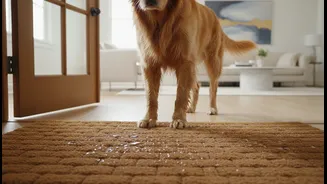
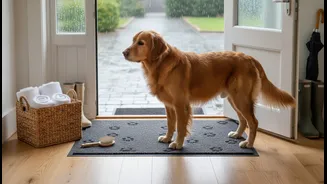
one, thoroughly towel-dry your pet. For long-haired breeds, a hairdryer on a low-heat setting can be a lifesaver, ensuring the undercoat is completely dry. Over-bathing can strip the skin of its natural oils, making it more vulnerable, so focus on post-walk drying rather than more frequent baths.
Paw Care is Paramount
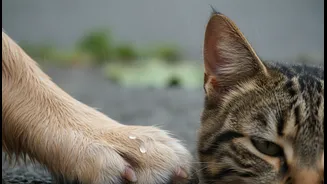
Your pet's paws are on the front lines, constantly in contact with muddy water and wet surfaces. Puddles can hide sharp debris and harbour dangerous bacteria like Leptospirosis. Make it a non-negotiable routine to wash and dry their paws after every outing. Use lukewarm water and gently clean between the toes and pads. Keeping the fur around the paws trimmed short can significantly reduce the amount of mud and moisture they track inside and help prevent infections.
Maintain Clean Gear and Bedding
Damp collars, leashes, and harnesses can cause skin irritation and fungal infections if left on a wet pet. Have a dry spare set ready to rotate. Similarly, pet bedding can quickly become a haven for mould and mildew in the humid weather. Wash their bedding more frequently than usual, at least once a week in hot water if possible, and ensure it is completely dry before use. Sun-drying is ideal for its natural disinfecting properties. A clean, dry resting space is crucial for their overall health.
Create Dry Corners and a Safe Haven
The battle against dampness extends to your home. Ensure your pet has a designated cozy, dry, and warm place to rest, away from drafts or wet floors. If your home is particularly humid, consider using a dehumidifier in the room where your pet spends most of their time. Thunderstorms can also be a source of intense anxiety for many pets. During storms, create a secure space for them with their favourite blanket or toy, and try playing some soft music to muffle the noise.
Rethink Their Diet and Hydration
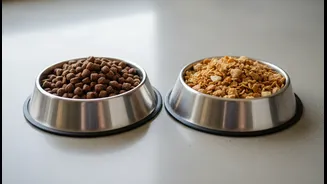
A pet's appetite and digestive system can be more sensitive during the monsoon. High humidity can cause dry food to spoil faster and lose its crunch. Some experts suggest that easily digestible, home-cooked meals or high-quality wet food can be beneficial, as they also help with hydration. Focus on a balanced diet rich in protein to boost their immunity. Always provide fresh, clean drinking water, and never let your pet drink from puddles, which can be contaminated with parasites and bacteria.
Watch for Red Flags
Vigilance is key. Keep an eye out for common monsoon-related ailments. These include skin infections (excessive scratching, redness, odour), ear infections (head shaking, discharge), and gastrointestinal issues like vomiting or diarrhoea, which could indicate a waterborne illness. Ticks and fleas also thrive in this humid weather, so stick to your pet’s preventive treatment schedule. Any change in appetite, lethargy, or behaviour warrants a closer look and a potential call to your veterinarian.