





The Problem with Sugary Sodas
It's no secret that regularly consuming sugar-sweetened beverages is linked to a host of health issues. A single can of soda can contain nearly 10 teaspoons of sugar, exceeding the daily recommended limit. This excessive sugar intake contributes to weight
gain, an increased risk of type 2 diabetes, heart disease, and dental problems like cavities and enamel erosion. The calories from these drinks are often called 'empty calories' because they offer no nutritional value, and they don't make you feel full, which can lead to overconsumption and subsequent health complications. Making a conscious choice to reduce soda intake is a significant first step toward a healthier lifestyle.
The Traditional Tang of Kokum Coolers
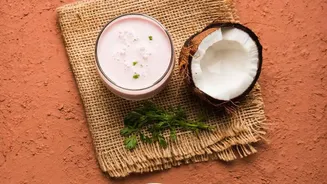
A staple in the coastal regions of India, kokum (Garcinia indica) is a true superstar. Known for its deep purple-red rind, this fruit is used to make a tangy and deeply refreshing drink perfect for hot weather. Kokum is celebrated in Ayurveda for its natural cooling properties, helping to prevent dehydration and regulate body temperature. But its benefits don't stop there. It's packed with antioxidants, aids digestion by soothing acidity, and contains hydroxycitric acid (HCA), which is believed to help with appetite regulation. A glass of kokum sherbet, often prepared by soaking the dried fruit and adding a pinch of salt or jaggery, is a flavourful, low-calorie alternative to fizzy drinks.
Smoothies: A Nutrient-Packed Meal in a Glass
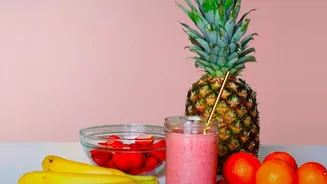
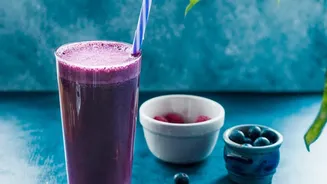
Smoothies offer a versatile and delicious way to pack a huge nutritional punch. The key is to build them correctly. Instead of using sugary juices as a base, opt for water, coconut water, or unsweetened milk alternatives. For a thick, creamy texture, use frozen fruits like bananas, berries, or mangoes, which eliminates the need for ice that can water down the flavour. You can also boost the health quotient by adding a handful of spinach, which you'll hardly taste, or a scoop of Greek yogurt, chia seeds, or oats for added protein and fibre to keep you full for hours. By focusing on whole ingredients, you create a satisfying drink that provides sustained energy, unlike the sharp spike and crash from a soda.
The Soothing Comfort of Herbal Teas
Herbal teas, or tisanes, are wonderful, caffeine-free alternatives that can be enjoyed hot or cold. They come in a wide array of flavours and offer numerous health benefits. In India, teas made from tulsi (holy basil) and ginger are particularly popular and potent. Tulsi is revered as an adaptogen that helps the body manage stress and boosts immunity with its antibacterial and antiviral properties. Ginger is renowned for its ability to aid digestion, soothe upset stomachs, and fight inflammation. Other excellent choices include peppermint, hibiscus, and chamomile. Brewing a large pitcher of herbal iced tea to keep in the fridge makes for a convenient and hydrating grab-and-go option.
Making the Healthy Switch Stick
Breaking the soda habit can be challenging, but a gradual approach often works best. Instead of going cold turkey, try reducing your intake slowly. Start by replacing one soda a day with one of these healthier options. If it's the fizz you crave, sparkling water with a squeeze of fresh lemon or lime can be a great substitute. If you rely on soda for a caffeine hit, try switching to unsweetened iced tea or coffee. Focusing on what you are adding to your diet—delicious new flavours and beneficial nutrients—rather than what you are taking away can make the transition feel less like a sacrifice and more like a positive upgrade for your wellbeing.