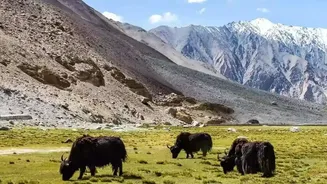





The fantasy of a drive through a national park often involves spotting majestic wildlife at every turn. The reality? More often it's a fleeting glimpse of a distant animal. But there's a way to see more, and it starts with stepping out of the car.
Why Your Car Is a Wildlife Repellent
While
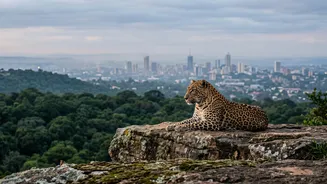
a vehicle offers comfort and the ability to cover large distances, it creates a bubble that separates you from the natural world. The primary issue is noise. The rumble of an engine, the crunch of tyres on a gravel road—these sounds are alien to a forest ecosystem. Research shows that traffic noise can significantly alter animal behaviour, causing them to become more vigilant and less likely to engage in normal activities like foraging. Many animals perceive the loud, fast-moving shape of a car as a threat and will either freeze or flee long before you have a chance to see them. This noise doesn't just scare animals away; it can also mask the natural sounds they rely on to communicate, find mates, or detect predators, causing widespread disruption. In essence, driving along a highway is often a tour of where the wildlife isn't.
On Foot: A Full Sensory Immersion
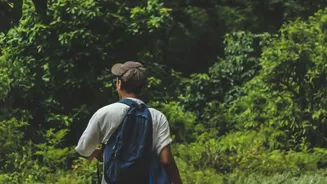
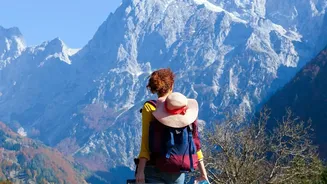
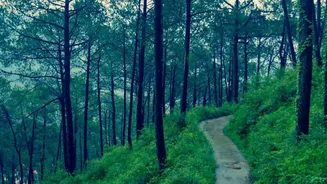
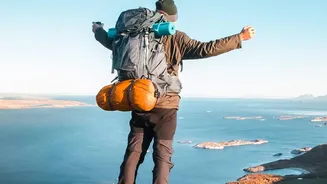
Leaving the vehicle behind and venturing out on a walk fundamentally changes your relationship with the environment. Your senses, dulled inside a car, come alive. You begin to hear the rustle of leaves that might signal a foraging bird, smell the distinct scent of damp earth, and see the subtle tracks left by an animal that passed by hours earlier. Walking safaris encourage a slower, more deliberate pace, allowing you to notice the small wonders you would otherwise speed past. This includes not just large mammals, but also fascinating insects, vibrant plant life, and the intricate patterns of the ecosystem. Moving quietly and deliberately makes you less of an intruder and more of a temporary part of the landscape, increasing the chances of a natural, undisturbed encounter. The experience becomes less about just seeing an animal and more about understanding its world.
The Guide: Your Expert Eyes and Ears
Embarking on a nature walk is rewarding, but doing so with a guide elevates the experience from a simple stroll to a masterclass in observation. A trained naturalist possesses an encyclopedic knowledge of the local ecosystem. They can identify bird calls the average person wouldn't hear, spot camouflage that renders an animal invisible to the untrained eye, and interpret signs—a broken twig, a faint footprint—to tell a story about recent animal activity. Guides are not just about spotting wildlife; they provide crucial context about animal behaviour, the roles of different species, and local conservation efforts. They also ensure safety, teaching you how to react during an encounter and maintaining a respectful distance to avoid disturbing the animals. This expertise transforms a walk into a deeper, more meaningful connection with nature.
Beyond the Big Ticket Sightings
While game drives often focus on finding large, iconic animals, walking safaris celebrate the entire ecosystem. On foot, you gain an appreciation for the 'smaller' things that form the foundation of the wild. You might learn to identify medicinal plants, watch leafcutter ants on their tireless march, or observe the complex architecture of a termite mound. These details, often missed from a vehicle, provide a richer, more holistic understanding of the environment. A guide can point out how a particular insect pollinates a rare flower or how a fallen tree provides shelter for numerous creatures. This shift in perspective helps cultivate a deeper respect for nature's complexity and the interconnectedness of all living things, making the experience memorable even without a major sighting.
Getting Started with Guided Walks in India
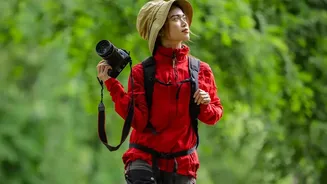
Many of India's national parks and wildlife sanctuaries, famed for their vehicle safaris, also offer opportunities for guided walks. Parks in the Himalayan foothills, the Western Ghats, and even some buffer zones of tiger reserves provide this immersive experience. When planning, look for reputable tour operators or lodges that employ certified, experienced naturalists. It’s essential to book in advance, as slots can be limited to minimize environmental impact. Remember to dress in neutral, earth-toned clothing to blend in, and wear comfortable, sturdy shoes. Pack essentials like binoculars, a water bottle, and insect repellent. Most importantly, bring a patient and observant mindset. The rewards of a guided walk aren't always immediate, but they are invariably deeper and more lasting.