


A Modern Twist on an Ancient Staple
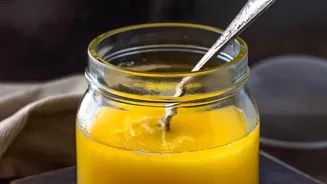
Ghee, or clarified butter, is deeply woven into the fabric of Indian cuisine and culture, signifying purity, nourishment, and flavour. For decades, however, many urban households moved towards refined vegetable oils, marketed as modern and healthy alternatives.
Now, the wheel is turning back. A growing number of health-conscious city dwellers and culinary explorers are embracing ghee again, not just as a traditional fat, but as a superior cooking medium. This isn't just about nostalgia; it's an upgrade. The science backing ghee's stability and nutritional profile is compelling, leading many to reconsider the staple that their grandparents swore by.
Beyond Plain Ghee: The Infusion Revolution
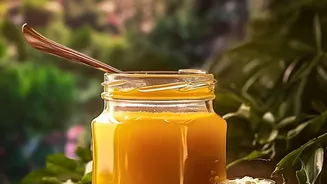
The real star of this kitchen renaissance is spiced infused ghee. Imagine the nutty, fragrant aroma of pure ghee, now layered with the complexity of garlic, rosemary, or a blend of Indian spices like cinnamon, cardamom, and cloves. This is compound ghee: a flavour bomb and a cooking hack rolled into one. Home chefs are either crafting their own bespoke blends or turning to a growing market of artisanal brands. By gently heating ghee with whole spices, herbs, or aromatics, the fat becomes a carrier for their essential oils and flavours, creating an ingredient that can define a dish from the very first step.
The Advantages of Flavour and Heat
So why make the switch from a standard bottle of oil? The primary reasons are flavour and performance. Infusing spices directly into ghee means the flavour is built into the cooking fat itself, adding depth to everything from scrambled eggs to dal tadka. It saves time and adds a professional touch, blooming spices more gently and consistently than a splash of hot oil. Beyond taste, ghee boasts a significant technical advantage: a high smoke point. Typically around 250°C (485°F), it's far more stable for high-heat cooking like searing and frying than many vegetable oils, which can break down and produce harmful compounds at lower temperatures. This stability makes it a safer and cleaner choice for the high-heat techniques common in Indian kitchens.
How Home Chefs Get Creative
The versatility of spiced ghee is where it truly shines in the urban home. A garlic and chili-infused ghee is perfect for drizzling over pasta or roast potatoes. A version steeped with star anise, cloves, and cinnamon can elevate a simple pulao or be used to finish a rich curry. Home chefs are using it to do more than just traditional tadka. They're spreading herb-infused ghee on toast, using it to pan-sear paneer and chicken for a perfect crust, and even incorporating it into baked goods like pancakes for a subtle, aromatic twist. It's a single ingredient that works as a flavour-enhancer, a finishing drizzle, and a high-performance cooking fat.
Your Guide to Getting Started
Getting started is simple. You can easily make your own infused ghee at home. Begin by gently melting pure ghee in a saucepan over low heat. Add your chosen aromatics—smashed garlic cloves, a cinnamon stick, whole cumin seeds, or fresh rosemary sprigs are great starting points. Let the ingredients steep in the warm ghee for 10-20 minutes, ensuring it doesn't get hot enough to smoke. The goal is a gentle infusion, not a deep fry. Once the ghee smells fragrant, remove it from the heat, let it cool slightly, and then strain it into a clean, airtight glass jar. It can be stored at room temperature for several weeks, ready to elevate your next meal.