




The Monsoon's Gift in a Jar
For generations, the arrival of dark, plump Jamun (also known as black plum or Java plum) has signalled the peak of the rainy season. While often eaten fresh, with a sprinkle of salt to balance its unique flavour, a new culinary trend is giving this humble
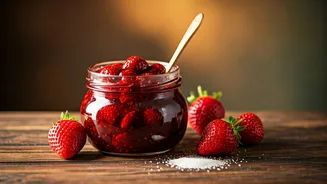
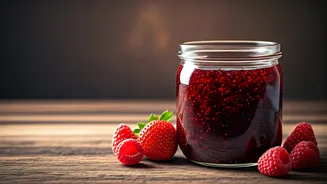
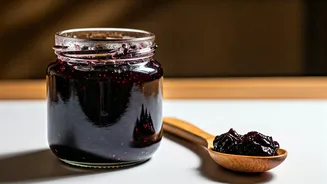
fruit a gourmet makeover: slow-churned Jamun preserves. Unlike a standard jam, a preserve prioritises the integrity of the fruit. Through a slow cooking process, the fruit softens and releases its juices, but retains much of its texture and deep, complex flavour. The result is a chunky, luscious spread that is less about sugary sweetness and more about celebrating the true taste of the Jamun.
Reading Between the Labels
Take a moment to read the ingredients list on a typical commercial fruit spread. You'll likely find sugar, or a high-fructose corn syrup, as the first ingredient. This is often followed by a list of stabilisers, gelling agents, acidity regulators (like citric acid), and preservatives (such as sodium benzoate or potassium sorbate) designed to ensure a long shelf life and uniform consistency. While convenient, these spreads often contain more added sugar than actual fruit, and their flavour can be one-dimensional. A homemade or artisanal Jamun preserve, on the other hand, relies on a simple list: fruit, a natural sweetener like jaggery or raw sugar, and perhaps a squeeze of lemon juice, which acts as a natural preservative.
The Health Benefits of Jamun
The switch to Jamun preserve isn't just about superior taste; it's also a smart wellness choice. Jamun is a nutritional powerhouse, celebrated in Ayurvedic traditions for centuries. It's packed with antioxidants, particularly anthocyanins, which give the fruit its deep purple colour and help fight oxidative stress in the body. Jamun is also renowned for its low glycemic index, making it a favourable fruit for those managing blood sugar levels. The pulp and seed contain compounds like jamboline and jambosine, which are believed to slow the rate at which sugar is released into the bloodstream. By using a natural, unrefined sweetener and a slow-cooking method, a good Jamun preserve retains many of these beneficial properties.
Making Your Own Jamun Preserve
Creating your own batch of Jamun preserve is a deeply rewarding process. The method is straightforward and requires more patience than skill. 1. **Preparation:** Start by washing about 500g of fresh Jamuns. The most tedious part is de-seeding them. You can do this by hand or by briefly boiling the fruits until they soften, then mashing and straining out the seeds. 2. **Slow Cooking:** Combine the Jamun pulp in a heavy-bottomed pan with about 200-250g of a sweetener of your choice (jaggery works wonderfully). Cook on a low flame, stirring occasionally. This is the 'slow churn' — letting it simmer gently to concentrate the flavours without burning the sugar. 3. **The Finish:** After 30-40 minutes, the mixture will thicken considerably. Add the juice of half a lemon, which helps with preservation and brightens the flavour. Cook for another 5 minutes. To check if it's done, put a small drop on a cold plate; if it holds its shape, it's ready. Let it cool completely before transferring to a sterilised glass jar.
More Than Just a Toast Topper
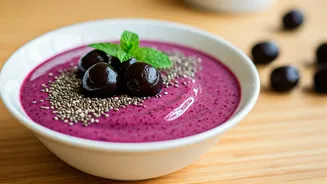
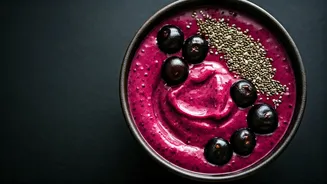
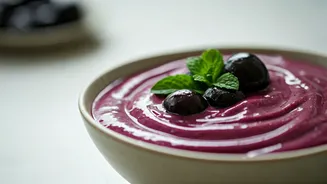
While a spoonful on warm, buttered toast is classic, Jamun preserve's unique sweet-tart profile makes it incredibly versatile. Swirl it into a bowl of plain dahi or Greek yogurt for a healthy dessert. Use it as a topping for vanilla ice cream, panna cotta, or even kheer. It can also be used as a glaze for grilled paneer or chicken, adding a beautiful colour and tangy flavour. For a sophisticated twist, whisk a spoonful with olive oil, balsamic vinegar, and a pinch of salt for a stunning salad dressing.