


Understanding the Name
The name Paschimottanasana comes from Sanskrit. 'Paschima' means 'west' or 'the back of the body,' and 'uttana' means 'intense stretch'. Therefore, it translates to an intense stretch of the entire back side of the body, from your heels to your head.
In traditional yoga, practitioners would face the rising sun in the east, making their back the 'west' side. This pose is not just about physical flexibility but also about turning your attention inward, encouraging introspection and surrender.
Benefits Beyond the Hamstrings
While an excellent hamstring opener, the benefits of Paschimottanasana are holistic. It provides a deep stretch for the calves and the entire spine, helping to improve flexibility and correct minor spinal curvature issues. The forward fold gently compresses and massages the abdominal organs, including the liver, kidneys, and pancreas, which can aid digestion, stimulate appetite, and relieve constipation. On a mental level, this posture has a significant calming effect on the nervous system. It helps to relieve stress and anxiety by encouraging the mind to quiet down, making it a therapeutic pose for both body and mind.
A Step-by-Step Guide
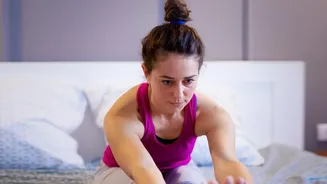
To practice Paschimottanasana safely, follow these steps. Begin by sitting on the floor with your legs stretched out straight in front of you in Dandasana (Staff Pose). Keep your spine erect and your feet flexed, with toes pointing toward the ceiling. Inhale and raise both arms above your head, lengthening your spine to create space. As you exhale, begin to hinge forward from your hips, not your waist. Lead with your chest and chin, moving toward your toes rather than down toward your knees. Place your hands wherever they comfortably reach—on your shins, ankles, or feet—without straining. With each inhalation, try to lengthen your torso slightly; with each exhalation, see if you can deepen the fold. Hold the pose for 30 to 60 seconds, breathing steadily. To release, inhale and slowly come back up to a seated position.
Common Mistakes to Avoid
One of the most common mistakes is rounding the spine too early, especially the lower back. This puts pressure on the spinal discs and negates the lengthening benefit of the pose. Always focus on hinging at the hips. Another error is forcing the stretch by pulling aggressively with the arms or trying to get your head to your knees. This can lead to injury. Instead, allow gravity and your breath to guide you deeper. Also, avoid locking your knees, which can strain the joint; a micro-bend is always a good idea. Finally, remember to breathe. Holding your breath creates tension, whereas deep, steady breathing helps the muscles relax and release.
Modifications for Every Body
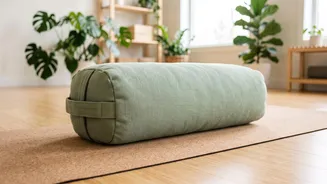
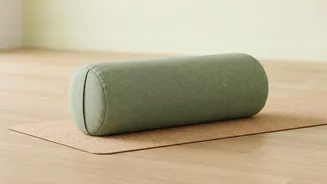
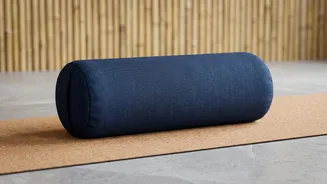
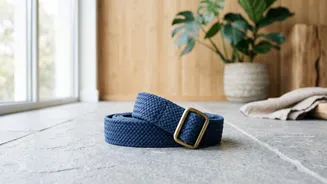
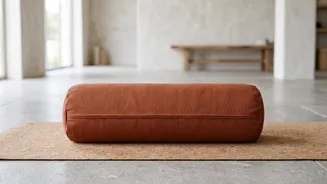
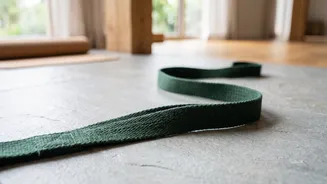
Flexibility is a journey, not a destination. If your hamstrings are tight, generously bend your knees. You can rest your torso on your thighs, which allows your spine to remain long. Sitting on the edge of a folded blanket or a block can also help. This elevation tilts the pelvis forward, making it easier to hinge from the hips. Another excellent tool is a yoga strap. You can loop it around the balls of your feet and hold it with both hands. Use the strap to help lengthen your spine as you fold forward, rather than to pull yourself forcefully into the pose. For a more restorative version, you can place a bolster over your legs and rest your torso and head on it.
Who Should Be Cautious
While Paschimottanasana is highly beneficial, it isn't suitable for everyone. Individuals with a significant back injury, such as a herniated disc or sciatica, should approach this pose with extreme caution or avoid it altogether, unless cleared by a professional. People with asthma may find the forward compression difficult. This pose is also contraindicated for pregnant women and individuals who have recently had abdominal surgery. If you have high blood pressure, it's recommended to practice a modified version where your head does not drop below your heart. Always listen to your body and never push through sharp pain.