



1. Go Native with Your Plants
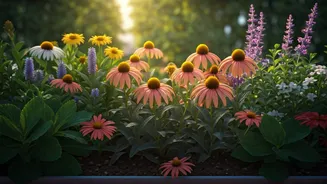
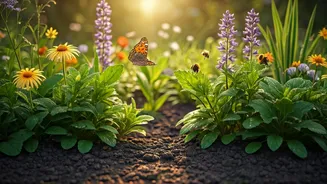
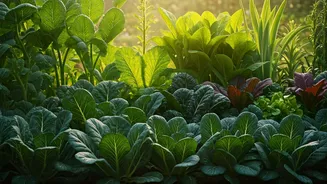
The single most impactful change you can make is to prioritise native plants. While exotic flowers can be beautiful, local flora has co-evolved with our region’s insects and birds for millennia. They provide the right kind of nectar, pollen, and seeds
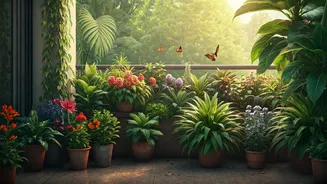
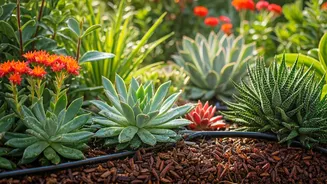
that our local wildlife needs to thrive. Think about incorporating plants like hibiscus (Japapushpa), jasmine (Mogra), marigolds (Genda), and Indian crape myrtle (Jarul). These plants are not only beautiful and culturally significant, but they are also hardy, require less water, and are perfectly adapted to our climate. By planting native, you are essentially rolling out a welcome mat for local bees, butterflies, and songbirds.
2. Add a Water Source
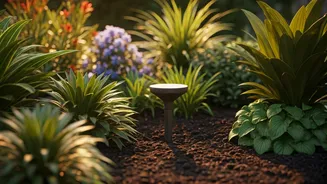
Water is life, especially in India’s hot climate. A simple, reliable water source can transform your garden into a vital oasis for a surprising variety of creatures. You don't need an elaborate fountain or pond. A shallow ceramic dish or a traditional clay ‘matka’ saucer filled with fresh water is enough to attract thirsty birds, bees, and butterflies. Place a few pebbles or marbles in the water to give smaller insects a safe place to land and drink without drowning. Remember to change the water every day or two to keep it clean and prevent mosquitoes from breeding. It's a low-effort, high-reward feature that will bring constant activity to your outdoor space.
3. Rethink the Perfect Lawn
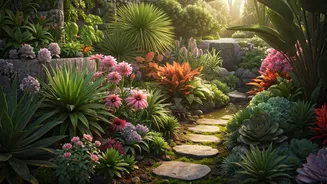
The obsession with a perfect, manicured, green lawn is a Western concept that is ill-suited for our environment. These 'green deserts' are monocultures that offer almost nothing to local ecosystems, consume enormous amounts of water, and often require chemical fertilisers and pesticides to maintain. Consider reducing your lawn space. Replace a portion of it with a wildflower meadow using native seeds, or create a diverse bed of native shrubs and groundcovers. Even letting a small patch of your garden grow a little wild can provide crucial shelter and food for insects and small animals. It's about shifting your mindset from 'tidiness' to 'liveliness'.
4. Build a Bug Hotel
Not all bugs are pests! In fact, most are beneficial. Solitary bees are fantastic pollinators, and ladybugs are voracious predators of aphids. You can support these helpful critters by building a 'bug hotel'. This is simply a structure that provides nooks and crannies for insects to nest and hibernate. You can build one easily by stacking old wooden pallets, drilling holes of various sizes into a block of untreated wood, or bundling together hollow stems like bamboo. Place it in a quiet, sheltered corner of your garden or balcony. It’s a fun DIY project and a fascinating way to observe the secret lives of the tiny creatures that support our ecosystem.
5. Ditch the Chemicals
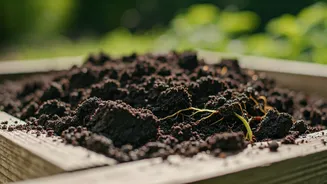
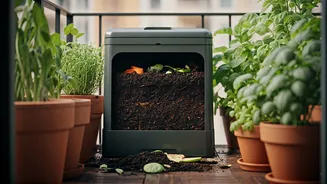
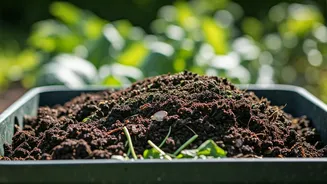
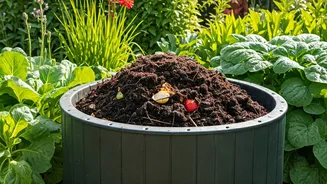
Chemical pesticides and herbicides are indiscriminate killers. They don't just eliminate the pests you’re targeting; they also harm beneficial insects like bees and ladybugs, contaminate the soil and water, and can be dangerous for birds, pets, and even humans. Instead, embrace organic gardening principles. Use compost to enrich your soil naturally, which creates stronger, more pest-resistant plants. Introduce natural predators like ladybugs to control aphids, and use neem oil spray as a safe, natural insecticide. A healthy, balanced ecosystem will largely regulate pests on its own, freeing you from reliance on harsh chemicals.