





The Allure and The Risk
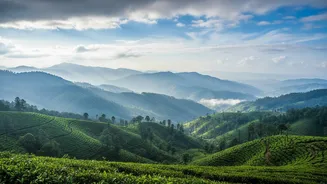
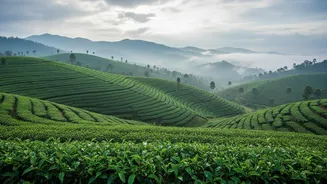
There’s no denying the magic of the monsoon. Hills and forests come alive, waterfalls cascade with full force, and popular destinations like Coorg, Munnar, and Lonavala offer a misty, romantic charm with fewer crowds. It’s a photographer’s dream and a perfect
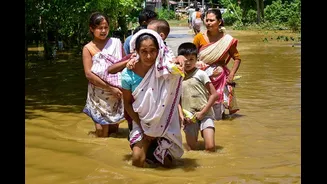
escape from the city heat. However, this beauty is often accompanied by significant dangers. Heavy rains can trigger flash floods and landslides, wash away roads, and disrupt travel plans in minutes. Recent events in Kerala during August 2026, where heavy rains led to devastating floods and landslides causing fatalities, serve as a stark reminder of the monsoon's power. Hill stations in regions like Himachal Pradesh and Uttarakhand are particularly vulnerable to these risks, making it essential to prioritise safety over scenery.
Understanding Weather Alerts
The India Meteorological Department (IMD) issues colour-coded warnings to help citizens prepare for severe weather. Understanding these is the first step to a safe trip. A 'Green' alert means all is well. A 'Yellow' alert means 'Be Aware,' signaling a need to stay updated as conditions might change. An 'Orange' alert means 'Be Prepared,' as there's a high likelihood of weather that can disrupt travel and daily life. The highest level, a 'Red' alert, means 'Take Action.' It signifies extremely severe weather conditions are expected, posing a significant threat to life and property. During a red alert, you should avoid travel and follow all instructions from local authorities. These alerts are issued for rain, thunderstorms, and high winds, and can be found on the IMD's official website and social media channels.
Your Pre-Trip Safety Check
Before you even pack your bags, responsible planning is key. First, check the district-level forecast for your destination and the route you plan to take; state-level updates aren't specific enough. Avoid last-minute road trips, especially to hilly areas, if an orange or red alert is active. When booking, opt for hotels with flexible cancellation policies. Inform your family or friends about your detailed itinerary. It’s also wise to have a buffer day or two in your schedule, as rain can cause unexpected delays to flights, trains, and road travel. A delayed holiday is always better than a risky journey.
On-the-Ground Monsoon Smarts
Once you’ve reached your destination, stay vigilant. Talk to locals and your hotel staff about the current conditions and which areas to avoid. Steer clear of overflowing rivers, streams, and waterfalls, as water levels can rise with frightening speed. Driving after dark in the hills is particularly dangerous due to poor visibility and the risk of falling debris. If you get caught in heavy rain, find sturdy shelter and wait for the storm to pass. Never take shelter under trees or near electric poles during a thunderstorm. If you are near the coast in places like Goa or Puri, avoid swimming in the ocean, as riptides are common and extremely dangerous during the monsoon.
The Essential Monsoon Pack
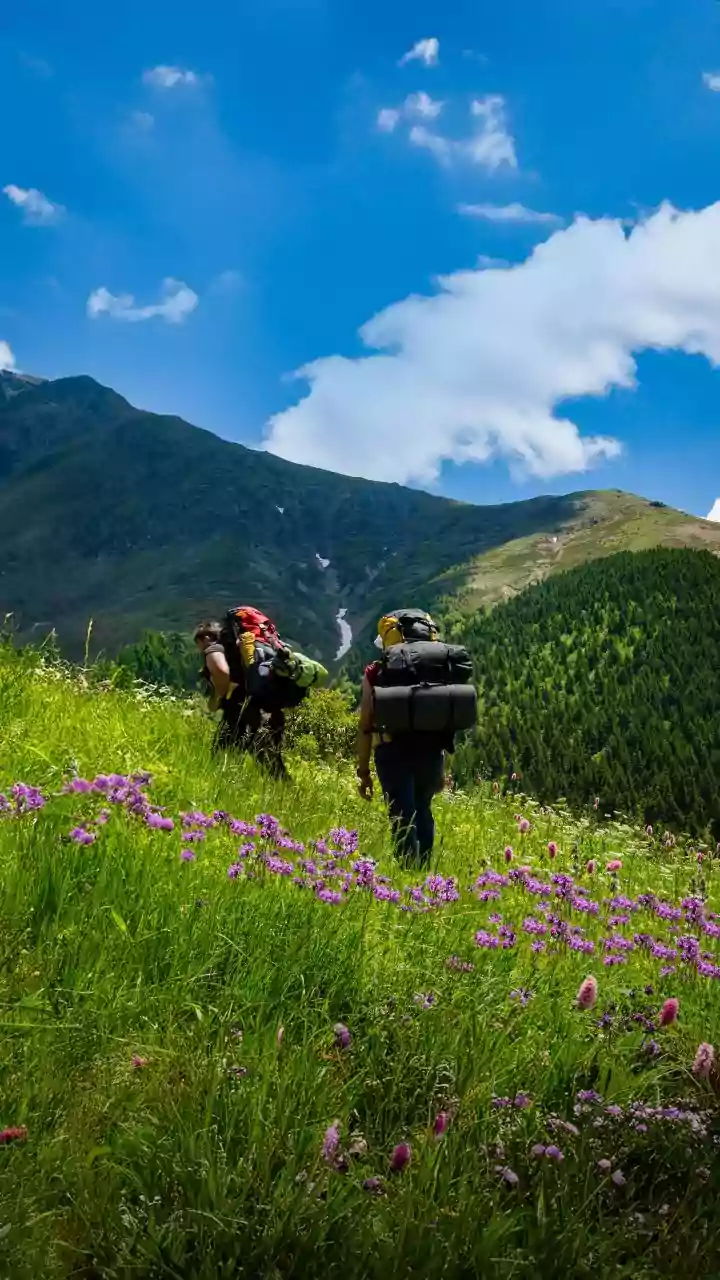
Packing correctly can make a huge difference. Prioritise quick-dry clothing over cotton and carry a reliable waterproof jacket or poncho. A sturdy pair of shoes with good grip is non-negotiable to navigate wet and slippery surfaces. Keep your electronics, wallet, and important documents safe in waterproof bags or zip-lock pouches. A basic first-aid kit containing antiseptic, band-aids, pain relievers, and any personal prescription medication is crucial. Don’t forget insect repellent and oral rehydration salts (ORS), as humidity can lead to dehydration faster than you think. A power bank is also a wise addition in case of power outages.